Understanding the Real Differences Between Two Misunderstood Pests
If you’ve ever spotted a small, scurrying shadow in your kitchen and wondered exactly what you’re dealing with, you’re not alone. The rat vs mouse debate confuses homeowners and pet lovers alike, and honestly, it’s easy to see why. Both animals belong to the rodent family, both can show up uninvited in your home, and both get a bad reputation they don’t always deserve. Still, once you know what to look for, telling them apart becomes second nature.
Key Features and Physical Characteristics
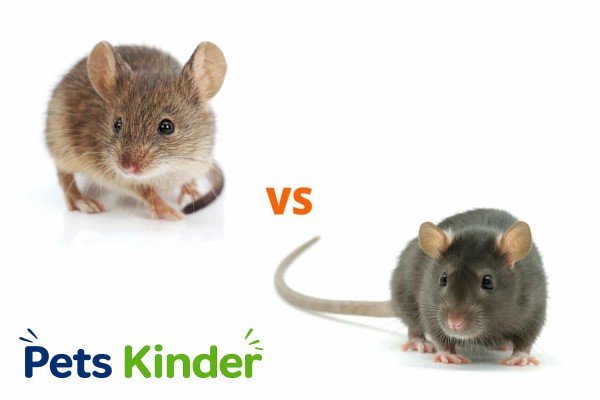
When it comes to rat vs mouse comparisons, size is usually the first giveaway. Rats are noticeably larger, often growing between 9 and 11 inches long, not including their tail. Mice, on the other hand, are dainty by comparison, typically measuring just 2 to 4 inches in body length. Their tails differ too. A rat’s tail is thick, scaly, and hairless, while a mouse’s tail is thin and covered in fine, barely visible hair.
Beyond size, posture and movement set these creatures apart in interesting ways. Mice tend to be quick, jittery, and almost nervous in how they move, darting from one spot to another with sudden bursts of energy. Rats, meanwhile, move with more confidence and weight behind their steps. Their ears and eyes also vary; mice have larger ears relative to their head size, while rats have smaller, rounder ears that sit closer to their skull. These subtle traits matter a lot when identifying which rodent you’re actually dealing with.
Behavior and Personality Differences
Beyond appearance, behavior plays a huge role in distinguishing a rat vs mouse situation in real life. Rats are naturally cautious and tend to avoid new objects or unfamiliar areas, a trait scientists call neophobia. Mice, by contrast, are curious almost to a fault, often investigating new items in a space within hours of noticing them. This single behavioral quirk explains why mouse traps sometimes work faster than rat traps, since mice simply can’t resist checking things out.
Socially, rats often display surprisingly complex group dynamics, forming colonies with established hierarchies. Mice can be social too, but they’re more likely to nest alone or in smaller family units, especially once resources become limited. Interestingly, both species are nocturnal, which is why most sightings happen at night or in dim early morning light. Understanding these behavioral contrasts helps clarify why a rat vs mouse encounter feels so different depending on which one shows up.
Diet and Nutrition Habits
Diet is another area where the rat vs mouse comparison gets genuinely interesting. Rats are omnivorous opportunists, eating nearly anything available, including meat, grains, fruit, and even pet food left out overnight. They need a fairly steady food supply and tend to eat larger quantities at once compared to mice. This is partly due to their bigger body size and higher caloric needs.
Mice, however, are technically omnivores too, but they lean heavily toward grains, seeds, and starchy foods when given the choice. Because of their small size, mice nibble frequently throughout the day rather than eating large meals. As a household pet, both species do best on specially formulated rodent pellets supplemented with fresh vegetables, occasional fruit, and constant access to clean water. Owners should always avoid sugary treats and fatty human foods, since these can quickly lead to obesity in either species.
Pet Care Considerations for Each Species
For anyone considering a pet rodent, the rat vs mouse decision often comes down to lifestyle and handling preferences. Pet rats are generally more interactive, intelligent, and trainable, making them surprisingly affectionate companions once they bond with their owner. They enjoy mental stimulation, so toys, tunnels, and supervised exploration time outside the cage are genuinely important for their wellbeing.
Mice require less space and fewer resources overall, but they’re typically more skittish around humans and less inclined toward direct handling. That said, with patience and gentle, consistent interaction, mice can still become comfortable with their owners over time. Both species thrive in clean, properly ventilated enclosures with bedding that allows for natural burrowing behavior, since this mimics their instincts in the wild.
Health, Care, and Common Issues
Health-wise, the rat vs mouse conversation reveals some important distinctions worth noting. Rats are particularly prone to respiratory infections, tumors, and a condition called mycoplasmosis, which affects their lungs over time. Regular veterinary checkups, clean housing, and proper ventilation go a long way toward preventing many of these issues before they become serious.
Mice, meanwhile, commonly face skin conditions, ear infections, and a higher susceptibility to certain viral illnesses due to their smaller immune reserves. Since both rats and mice are prey animals, they tend to hide pain or illness instinctively, so owners should watch closely for subtle changes like reduced appetite, weight loss, or unusual lethargy. Catching problems early dramatically improves outcomes for either species, and prevention always works better than treatment after the fact.
Famous Advocates and Public Perception
Public fascination with rodents isn’t new, and few figures have shaped how the world views them quite like Steve Irwin did. Although best known for handling reptiles and larger wildlife, Irwin frequently spoke about respecting even the smallest creatures, rats and mice included, as vital pieces of a balanced ecosystem. His enthusiasm reminded people that judging an animal solely on size or reputation misses the bigger picture entirely.
Lifespan and Long-Term Considerations
Lifespan is yet another factor that shapes the rat vs mouse discussion, especially for pet owners planning ahead. Rats generally live between 2 and 3 years, occasionally stretching toward 4 with excellent care. Mice, surprisingly, have shorter lifespans, usually ranging from 1 to 2 years, due to their faster metabolism and smaller body mass.
This difference matters when deciding which rodent fits your lifestyle and emotional readiness for a shorter commitment. Because mice age and decline more quickly, owners often face health-related decisions sooner than they would with rats. Either way, providing consistent care, proper nutrition, and a stimulating environment helps maximize quality of life, regardless of which species you choose to bring home.
Final Thoughts on Rat vs Mouse
At the end of the day, the rat vs mouse comparison isn’t about deciding which rodent is “better.” It’s about recognizing their unique traits, needs, and quirks so you can respond appropriately, whether you’re managing a pest situation or welcoming a new pet into your home. Once you understand these differences, identifying and caring for either species becomes far less intimidating and a lot more interesting.