Why This Pint-Sized Sheep Is Becoming America’s Favorite Backyard Companion
If you’ve scrolled through farm photos online recently, chances are you’ve stumbled across the babydoll sheep and immediately fallen in love. With their stocky little bodies, perpetually smiling faces, and gentle temperament, these miniature sheep have become genuine internet sensations. But beyond the cuteness factor, the babydoll sheep offers practical benefits that make it a smart choice for hobby farmers and homesteaders alike.
What Makes the Babydoll Sheep So Unique?
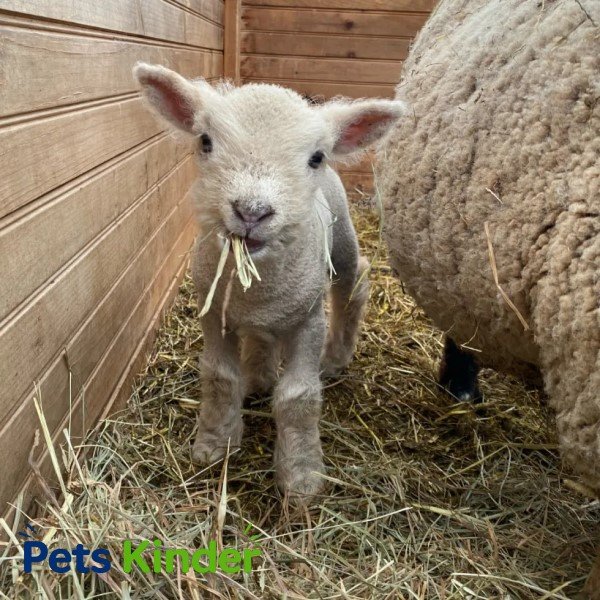
Officially known as the Southdown Babydoll, the babydoll sheep descends from miniature Southdown sheep originally bred in England centuries ago. American breeders later refined the line, emphasizing smaller stature and that signature adorable appearance many people recognize today. Unlike standard Southdowns, this miniature version retains all the breed’s wool quality while offering a considerably more manageable size for smaller properties.
What truly distinguishes the babydoll sheep from other miniature breeds is its naturally cheerful facial expression, created by a slightly upturned mouth and round, wide-set eyes. This isn’t just coincidental, either; it’s become a defining breed characteristic that breeders actively select for during reproduction. Combined with their calm, friendly disposition, it’s easy to understand why this particular sheep has captured so much public affection in recent years.
Babydoll Sheep Size and Physical Traits
When discussing babydoll sheep size, most adults stand between 18 and 24 inches tall at the shoulder, making them genuinely diminutive compared to standard sheep breeds. Despite their small stature, these animals maintain solid, stocky builds with dense wool coverage and sturdy legs. Most mature sheep weigh between 60 and 100 pounds, depending on gender, genetics, and overall nutrition throughout development.
This compact babydoll sheep size offers practical advantages for smaller acreages where larger livestock simply wouldn’t fit comfortably. Because they require less space and produce smaller waste volumes, many suburban hobby farms successfully incorporate these animals into limited pasture setups. Their manageable size also makes handling, shearing, and general care considerably easier, particularly for owners without extensive prior livestock experience.
Babydoll Sheep Wool and Fleece Quality
Beyond their charming appearance, babydoll sheep wool holds genuine commercial and crafting value. This breed produces soft, fine fleece prized by hand-spinners and fiber artists for its workability and pleasant texture. Most sheep yield between 3 and 6 pounds of wool annually, depending on individual genetics, nutrition, and overall health throughout the growing season.
Many small-scale farmers specifically raise these animals partly for their babydoll sheep wool, selling raw fleece or processed yarn through local fiber markets and online platforms. Annual shearing, typically performed in spring, keeps animals comfortable during warmer months while providing usable fleece for various crafting projects. Proper storage and processing significantly affect final wool quality and marketability for serious fiber enthusiasts.
Diet and Nutritional Requirements
Feeding a babydoll sheep properly involves balancing pasture grazing with supplemental hay and minerals, particularly during winter months when fresh grass becomes scarce. These sheep generally do well on quality pasture alone during growing seasons, though additional hay becomes necessary once temperatures drop and natural forage availability decreases considerably across most regions throughout the country.
Mineral supplementation matters significantly for this breed, since deficiencies can lead to health complications over time. Copper toxicity remains a particular concern, so owners should specifically choose sheep-formulated mineral mixes rather than generic livestock supplements designed for other species. Fresh water access remains essential year-round, and overfeeding grain should generally be avoided to prevent obesity-related health issues.
Health, Care, and Common Issues
Like most sheep breeds, the babydoll sheep faces certain recurring health challenges that require attentive management. Internal parasites remain among the most common concerns, making regular deworming schedules essential for maintaining herd health. Hoof care also matters significantly, since overgrown hooves can lead to lameness or secondary infections if left unaddressed for extended periods.
Wool blindness occasionally affects this breed too, occurring when excess fleece grows over the eyes, obstructing vision. Regular grooming and timely shearing prevent this issue from developing into more serious complications. Additionally, routine veterinary checkups help catch respiratory issues, dental problems, or nutritional deficiencies early, ensuring babydoll sheep maintain robust health throughout their entire lifespan on the farm.
A Famous Farm-Loving Personality
Few public figures have embraced small-scale, charming livestock quite like Martha Stewart, the well-known lifestyle entrepreneur and farm enthusiast. Stewart has openly shared her affection for raising various heritage animals on her property, including miniature sheep breeds celebrated for their gentle nature. Her public enthusiasm has helped introduce countless followers to charming options like the babydoll sheep.
Lifespan and Long-Term Considerations
With proper care, a babydoll sheep typically lives between 12 and 16 years, making it a genuine long-term commitment for prospective owners. This impressive lifespan exceeds many other livestock breeds, partly due to their manageable size and generally hardy constitution when provided appropriate nutrition, shelter, and routine veterinary attention throughout their entire lives.
Long-term ownership considerations include annual shearing commitments, ongoing parasite management, and appropriate pasture rotation to prevent overgrazing on smaller properties. Breeding programs benefit from this animal’s predictable genetics, since babydoll sheep reliably pass down their characteristic small size and friendly temperament. Many owners find this consistency particularly valuable when planning multi-generational flocks for sustained farm operations.
Babydoll Sheep Price and Where to Find Them
For anyone considering a babydoll sheep for sale, prices typically range from $300 to $800 per animal, depending on age, registration status, and breeder reputation. Registered breeding stock with documented pedigrees generally commands higher babydoll sheep price points compared to unregistered animals sold primarily as pets or companion livestock.
When searching specifically for babydoll sheep for sale, working with reputable breeders ensures healthier animals and accurate genetic documentation. Visiting farms in person, verifying health records, and asking detailed questions about parentage all contribute to making informed purchasing decisions. Quality breeders typically provide ongoing support, making the overall ownership experience considerably smoother for first-time buyers.
Final Thoughts
The babydoll sheep continues winning hearts across America, combining undeniable charm with genuine practical value for small-scale farms. Whether you’re drawn to their wool production, manageable size, or simply that unforgettable smiling face, this breed offers a rewarding, long-term companion for anyone ready to embrace the joys of miniature livestock ownership.