The Complete Guide to Pygmy Goats: The Pint-Sized Animal That Wins Every Heart

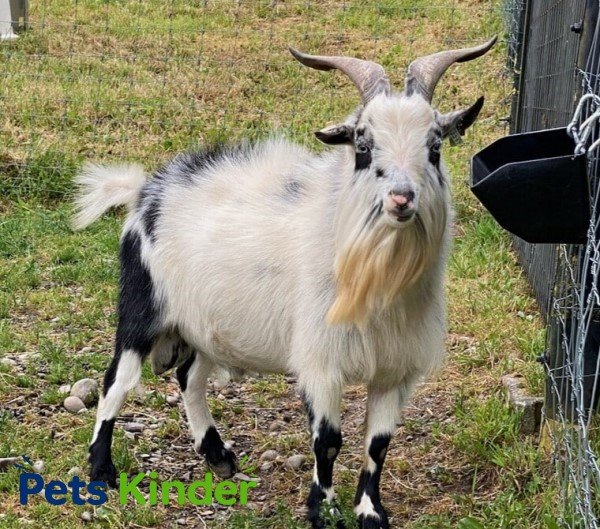
There’s something almost irresistible about a pygmy goat. They’re small enough to seem manageable, charming enough to dismantle any resistance, and smart enough to constantly remind you who’s actually in charge. Whether you’re a first-time hobby farmer, a suburban homesteader with a generous backyard, or simply someone who has fallen down the rabbit hole of miniature livestock, the pygmy goat deserves serious consideration. These compact, spirited animals bring a level of personality and joy that far exceeds their modest stature.
A Brief History Behind a Big Personality
The pygmy goat traces its roots to West and Central Africa, specifically from the Cameroon Valley region. Originally called the Cameroon Dwarf Goat, these animals were brought to Europe and North America during the mid-20th century, initially for zoological study and exhibition. It didn’t take long for people to realize that these goats were far too personable to live only behind zoo fences. By the 1970s, the National Pygmy Goat Association was established in the United States, and the breed gained official recognition as both a companion animal and a small-scale meat and milk producer.
Today, pygmy goats are found on farms, homesteads, petting zoos, and even suburban properties across the country. Their adaptability and agreeable temperament have made them one of the most popular small livestock breeds in North America.
Key Characteristics That Set Them Apart
Compact Build With a Surprisingly Sturdy Frame
The pygmy goat carries a stocky, muscular body that looks almost disproportionately robust for its height. Their legs are short and wide-set, their barrel-shaped torso is deep, and their overall structure gives them a solid, grounded presence. Despite their small footprint, these aren’t fragile animals they’re built tough and move with surprising confidence across varied terrain.
Coat color varies widely. You’ll find pygmy goats in caramel, black, white, grey agouti, and a range of mixed patterns. The coat itself is straight and medium in length, thickening considerably during colder months. Both males (bucks) and females (does) can carry horns, though many owners choose disbudding for safety reasons, especially when children are involved.
Pygmy Goat Size: Smaller Than You Think, Bigger Than You’d Expect
One of the first questions new enthusiasts ask is about pygmy goat size, and the answer surprises most people. A fully grown pygmy goat typically stands between 16 and 23 inches tall at the shoulder. Bucks generally weigh between 60 and 86 pounds, while does range from 53 to 75 pounds. For reference, that’s roughly the size of a medium dog compact enough to handle easily, but substantial enough that they’re not delicate.
This modest pygmy goat size is a major part of their appeal. They require less land, less feed, and less infrastructure than standard-sized goats, making them genuinely practical for people with limited acreage. A small pasture or a well-designed backyard enclosure can comfortably accommodate a small herd, provided the fencing is secure and with pygmy goats, fencing security is non-negotiable.
Diet and Nutrition
Feeding a pygmy goat isn’t complicated, but it does require consistency and attention to quality. Their primary diet should consist of high-quality grass hay, which keeps their digestive system running properly and satisfies their near-constant need to browse and chew. Timothy hay and orchard grass are both excellent choices and widely available.
Beyond hay, pygmy goats benefit from pasture grazing when available. Fresh grass, shrubs, leaves, and weeds supplement their diet naturally and keep them mentally stimulated. Grain can be offered in small amounts, particularly to pregnant or lactating does who need additional energy, but overfeeding grain leads quickly to obesity a real concern with this breed given their enthusiastic approach to eating.
Mineral supplementation is essential. Loose goat minerals containing selenium, copper, and zinc should be available free-choice at all times. Always use minerals formulated specifically for goats, not sheep, as the copper levels differ significantly and sheep-formula minerals can cause deficiencies in goats. Fresh, clean water must be accessible throughout the day without exception.
Health, Care, and Common Issues
Routine Care That Keeps Them Thriving
Pygmy goats are hardy animals, but routine care makes an enormous difference in their long-term wellbeing. Hoof trimming every six to eight weeks prevents overgrowth and the lameness that follows. It’s a straightforward task once you learn the technique, and most goats tolerate it reasonably well with gentle handling from a young age.
Deworming is another critical component of pygmy goat care. Internal parasites particularly barber pole worms are one of the leading health threats for goats in most climates. Rather than following a fixed deworming schedule, experienced goat keepers use the FAMACHA scoring system, which assesses anemia through eyelid color and targets treatment only to animals showing signs of burden. This approach reduces resistance and improves outcomes considerably.
Common Health Concerns to Monitor
Enterotoxemia, often called overeating disease, is a serious and fast-moving condition caused by Clostridium bacteria. It typically strikes when a goat suddenly consumes too much grain or lush pasture. Vaccination against enterotoxemia and tetanus (CDT vaccine) is standard practice and should be administered annually to all animals in the herd.
Respiratory infections, foot rot, urinary calculi in males, and pregnancy toxemia in does are other conditions that goat owners should familiarize themselves with. Building a relationship with a large-animal or mixed-practice veterinarian before problems arise is genuinely one of the smartest moves a new pygmy goat owner can make.
Lifespan and Long-Term Considerations
With good care, pygmy goats live between 10 and 15 years. That’s a meaningful time commitment longer than many people initially anticipate when they first start exploring pygmy goat for sale listings online. Before purchasing, prospective owners should think through housing, fencing, veterinary access, feed costs, and the social needs of the animal.
Pygmy goats are herd animals and genuinely suffer when kept alone. Keeping at least two together isn’t just a recommendation it’s a welfare requirement. A lonely pygmy goat becomes stressed, vocal, and often destructive. Two goats cost only marginally more to maintain than one and are dramatically happier for the company.
Finding a Pygmy Goat for Sale
When searching for a pygmy goat for sale, the source matters enormously. Reputable breeders register their animals with the National Pygmy Goat Association or the American Goat Society and provide health records, vaccination history, and lineage documentation. Visit the farm in person whenever possible healthy goats are alert, clear-eyed, and move freely without stiffness or discharge around the nose or eyes.
Avoid impulse purchases from unverified sources, particularly around spring when baby goats flood online marketplaces. A goat purchased without proper vetting can arrive with parasites, respiratory disease, or congenital issues that become costly and heartbreaking to manage.
A Famous Fan of the Small and Remarkable
Pygmy goats have quietly earned admirers across many walks of life. Actress and lifestyle entrepreneur Kristen Bell has spoken enthusiastically about her love for farm animals, including goats, as part of her family’s approach to grounded, nature-connected living. Her well-documented fondness for animals reflects a broader cultural shift more people are discovering that small livestock like the pygmy goat offer not just practical value but genuine emotional richness.
Why the Pygmy Goat Is Worth Every Bit of the Effort
The pygmy goat rewards attentive, committed owners in ways that are hard to fully describe until you’ve experienced it. Their intelligence keeps you on your toes, their affection feels genuinely earned, and their comedy because there is no other word for watching a pygmy goat bounce sideways off a fence for no apparent reason is completely its own category. From pygmy goat size to temperament to lifespan, everything about this breed is designed to fit meaningfully into a well-prepared home.