Katahdin Sheep: The Hardy, Low-Maintenance Breed Redefining Modern Farming

If you’ve been looking for a sheep breed that checks all the right boxes easy care, good meat production, and natural adaptability katahdin sheep might just be the answer. These animals have quietly become one of the most talked-about breeds in small-scale farming and commercial livestock operations alike. Their rise in popularity isn’t built on hype. It’s backed by real performance, genuine hardiness, and a temperament that makes them a pleasure to raise. Whether you’re a seasoned farmer or just getting started, understanding what makes this breed so special is worth your time.
Katahdin Sheep Origin: Where It All Began
The katahdin sheep origin story is a fascinating chapter in American agricultural history. Michael Piel, a Maine farmer, developed the breed during the 1950s and 1960s on his farm near the Katahdin mountain the highest peak in Maine which is exactly where the breed gets its name. Piel crossed African hair sheep imported from the Caribbean with various British breeds, including the Suffolk, to create an animal that could thrive in tough northeastern climates without requiring shearing. After years of selective breeding and careful refinement, the Katahdin Hair Sheep International registry was established in 1985, formally recognizing the breed and setting breed standards that continue to guide breeders today.
What Piel set out to create wasn’t just a novelty it was a practical solution. Traditional wool sheep require shearing at least once a year, which adds labor costs and logistical challenges, especially for small operations. By developing a hair sheep that naturally sheds its winter coat, Piel essentially handed farmers back valuable time and money. That simple but brilliant idea is a big part of why katahdin sheep have spread from Maine to farms across North America and beyond.
Katahdin Sheep Characteristics: What Sets This Breed Apart
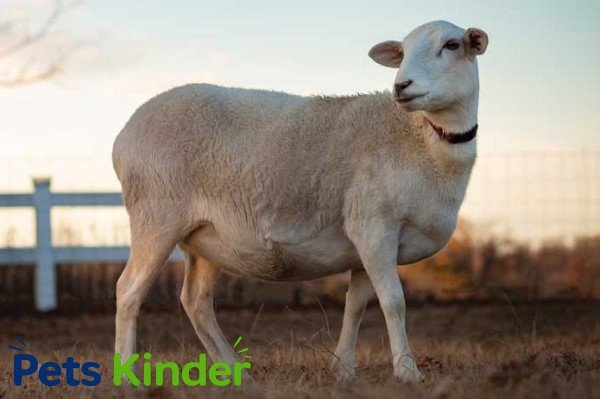
The katahdin sheep characteristics that farmers notice first are the ones that make their lives easier. These are medium-sized animals with clean, sleek coats that shift between a short, slick summer hair and a denser, dual-layer winter coat all of which sheds naturally in the spring without any human intervention. That alone separates them dramatically from wool breeds. They come in a wide variety of colors and patterns, including white, brown, tan, red, black, and spotted combinations, which makes each flock visually diverse and interesting.
Temperament and Behavior
Katahdins are known for having a calm, docile temperament that makes them relatively easy to handle. They’re alert and aware of their surroundings, which helps them stay safe in pasture settings, but they’re not flighty or skittish in the way some breeds can be. Ewes are especially valued for their strong maternal instincts. They bond closely with their lambs, produce plenty of milk, and tend to lamb without complications traits that reduce the need for intensive monitoring during lambing season. For farmers who can’t be on-site around the clock, that kind of reliability matters enormously.
Parasite Resistance and Hardiness
One of the most standout katahdin sheep characteristics is their genetic resistance to internal parasites, particularly the barber pole worm (Haemonchus contortus), which is a serious and often deadly threat to sheep operations across the southeastern United States. While no breed is completely immune, research and field experience consistently show that Katahdins perform significantly better than many wool breeds when exposed to parasite pressure. This translates to lower deworming costs, reduced chemical use, and healthier animals across the board a benefit that resonates strongly with farmers who prioritize sustainable livestock management.
Katahdin Sheep Size: How Big Do They Get?
When it comes to katahdin sheep size, these animals fall squarely in the medium range. Adult rams typically weigh between 180 and 250 pounds, with some well-conditioned bucks reaching up to 275 pounds. Ewes are noticeably smaller, usually coming in between 120 and 160 pounds at maturity. Their body structure is well-muscled and deep-chested, with good length and well-developed hindquarters that reflect their primary purpose as a meat breed. They’re not the biggest sheep you’ll find, but their muscling and meat-to-bone ratio make them highly efficient producers for their size.
Growth rates in Katahdin lambs are another strong selling point. Lambs reach market weight typically around 100 to 120 pounds in roughly five to seven months under good management conditions. That relatively quick turnaround makes katahdin sheep an attractive option for producers who want to move product efficiently without holding animals for extended periods. Moreover, the meat is consistently praised for being mild, lean, and free of the gamey aftertaste that some consumers associate with lamb a characteristic that opens doors in broader consumer markets.
Diet and Nutrition: Feeding Katahdin Sheep the Right Way
Pasture and Forage Requirements
Katahdin sheep are grazers at heart. High-quality pasture is the foundation of a healthy Katahdin diet, and these animals thrive on well-managed grass and mixed forage fields. A rotational grazing system works especially well, allowing pastures to recover between grazing periods while giving the flock access to fresh, nutrient-dense growth. Legumes like clover and alfalfa make excellent additions to a grazing program, offering higher protein levels that support growth in lambs and body condition in breeding ewes. During periods when pasture is limited particularly in winter good-quality hay fills the nutritional gap effectively.
Supplements and Mineral Needs
Like all sheep, Katahdins benefit from access to a loose sheep mineral blend formulated specifically for their species importantly, one that is low in copper, since sheep are highly sensitive to copper toxicity. Salt blocks and clean, fresh water should always be available. During late gestation and early lactation, ewes may need grain supplementation to support body condition and milk production. Lambs being pushed for market weight often receive a creep feed program to maximize their growth potential. However, outside of these targeted periods, Katahdins generally thrive on forage alone, which keeps feed costs admirably low.
Health, Care, and Common Issues in Katahdin Sheep
Katahdins are genuinely one of the healthier, lower-maintenance sheep breeds you can raise, but they still require consistent care and attention to stay in top condition. A solid preventive health program forms the backbone of any successful operation. Vaccinations against clostridial diseases particularly CDT vaccines are essential and should be given to ewes before lambing and to lambs at the appropriate age. Hoof trimming is another regular maintenance task, though Katahdins tend to need it less frequently than some other breeds, especially when kept on drier ground.
Common Health Issues to Watch For
Despite their hardiness, katahdin sheep are not invincible. Internal parasites remain the most significant health challenge for the breed, even given their comparative resistance. Producers should implement a FAMACHA scoring program to monitor individual animals for anemia caused by barber pole worm and treat only when necessary a targeted approach that slows the development of anthelmintic resistance. Pneumonia can occur in young lambs, particularly during wet or cold weather, and requires prompt veterinary attention. Polioencephalomalacia (a thiamine deficiency) and white muscle disease (a selenium deficiency) are also occasionally seen and are preventable with proper nutrition and supplementation.
Foot rot and foot scald can develop in wet conditions, so regular inspection and prompt treatment are important, especially during rainy seasons. Maintaining clean, dry bedding areas and avoiding prolonged exposure to muddy pastures significantly reduces the risk. Overall, producers who stay proactive with monitoring and preventive care find that Katahdins reward their attention with consistent productivity and minimal veterinary bills compared to more maintenance-intensive breeds.
Lifespan and Long-Term Considerations
The average lifespan of katahdin sheep ranges from 11 to 13 years, though productive breeding life typically spans 7 to 10 years with good management. Ewes often remain productive breeders well into their middle years, with peak productivity generally occurring between ages two and six. Because they are a polled breed (naturally hornless), there’s no risk of horn-related injuries a practical advantage in both handling and flock management. Additionally, Katahdins breed out of season more readily than many other breeds, making accelerated lambing programs possible for producers who want multiple lamb crops per year.
Long-term flock management for katahdin sheep benefits from consistent record-keeping. Tracking ewe productivity, lamb growth rates, and parasite resistance scores allows producers to make informed culling and selection decisions over time. Since the breed’s value lies heavily in its genetic hardiness, maintaining selective pressure for those desirable traits good mothering, fast growth, and parasite resistance keeps a flock trending in the right direction over successive generations.
Celebrity Connection: Temple Grandin and the Case for Hair Sheep
Temple Grandin, the world-renowned animal scientist, author, and autism advocate, has long championed livestock management practices that prioritize animal welfare and low-stress handling. Her work on livestock behavior and facility design has transformed how farmers across North America think about their animals. Grandin has consistently emphasized the importance of selecting breeds that are naturally suited to their environment a philosophy that aligns perfectly with what katahdin sheep represent. Their calm temperament, ease of handling, and natural adaptability embody the kind of humane, practical livestock management that Grandin has spent decades promoting. You can learn more about her groundbreaking work at her official website, templegrandin.com.
Katahdin Sheep Price and Where to Find Them for Sale
If you’re thinking about adding this breed to your operation, understanding katahdin sheep price ranges will help you plan your budget effectively. Prices vary based on age, registration status, genetics, and regional market conditions. Feeder lambs typically sell for $100 to $200 per head, while quality breeding ewes often range from $200 to $500 or more. High-performance registered rams with proven genetics can command prices upward of $500 to $1,500 depending on their performance data and pedigree. The investment in quality breeding stock generally pays off over time through improved flock performance.
Finding katahdin sheep for sale is easier today than it’s ever been. The Katahdin Hair Sheep International (KHSI) maintains a breeder directory that connects buyers with registered producers across the country. State agricultural fairs, livestock auctions, and online farm marketplaces are also reliable sources. When purchasing breeding stock, always ask for FAMACHA records, EPD (Expected Progeny Difference) data, and health documentation. Buying from reputable breeders who prioritize parasite resistance and performance data gives your new flock the best possible genetic foundation from day one.
Final Thoughts: Is the Katahdin Sheep Right for You?
Few sheep breeds manage to combine low maintenance, strong performance, and genuine adaptability quite like katahdin sheep do. From their fascinating origin story rooted in one Maine farmer’s vision to their modern role as a leading meat sheep breed across North America, Katahdins have earned their reputation through decades of consistent results. Whether you’re drawn to them for their hair coat convenience, their parasite resistance, their efficient growth rates, or their calm temperament, you’ll likely find that once you raise Katahdins, it’s hard to imagine going back to anything else. For farmers seeking a breed that works with them rather than against them, the Katahdin is a compelling, proven choice.