Donkeys: The Surprisingly Intelligent Animal You’ve Been Underestimating All Along

Most people think of donkeys as stubborn, slow, or simply background characters on a farm. That reputation, however, couldn’t be further from the truth. Donkeys are emotionally complex, remarkably intelligent, and deeply loyal animals that have worked alongside humans for over 5,000 years. Whether you’re considering donkeys for sale at a local farm, curious about mini donkeys as companions, or just want to understand these animals better, you’re about to discover something genuinely surprising.
Key Characteristics of Donkeys
Built Differently Than You Think
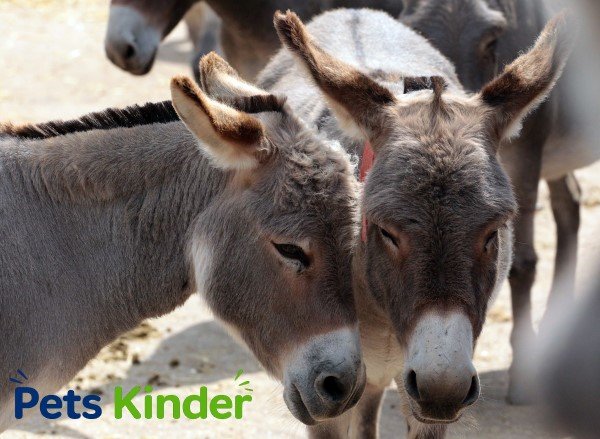
Donkeys belong to the Equidae family, making them relatives of horses and zebras, but they’re built for an entirely different purpose. Their bodies are compact and muscular, designed for endurance over rugged terrain rather than speed across open fields. They have large, expressive ears sometimes reaching up to 33 inches in length in certain breeds that serve a real function beyond looking charming. Those ears help regulate body temperature in hot climates and amplify distant sounds, giving donkeys remarkable situational awareness in open landscapes.
Coat, Color, and Physical Build
Donkeys come in a surprisingly wide range of colors, including gray, brown, black, roan, and spotted patterns. Most donkeys carry a distinctive dorsal stripe running down their spine and a cross-shaped marking across their shoulders a feature that appears across many breeds and has held cultural and religious significance throughout history. Their hooves are harder and more upright than a horse’s, requiring trimming every six to eight weeks but far less prone to cracking under dry conditions. That durability made them invaluable across desert civilizations for centuries.
Do Donkeys Laugh? The Truth Behind the Bray
Here’s one of the most common questions people ask: do donkeys laugh? The short answer is no but the long answer is far more interesting. The donkey’s signature vocalization, the bray, is a loud, two-toned call that sounds somewhere between a honk and a wheeze, and it’s genuinely one of the most distinctive sounds in the animal kingdom. Donkeys bray to communicate excitement, distress, loneliness, or a greeting. When a donkey sees its owner approaching at feeding time, that enthusiastic bray isn’t laughter — it’s the closest thing to a joyful shout an animal can produce.
What Do Donkeys Eat
A Diet Built for Efficiency
Understanding what do donkeys eat is critical to keeping them healthy, because their nutritional needs differ significantly from horses. Donkeys evolved in semi-arid regions where food was scarce and tough, which means their digestive systems are exceptionally efficient at extracting nutrients from low-quality roughage. The foundation of a donkey’s diet should be high-fiber, low-sugar forage specifically barley straw, which provides bulk and keeps their digestive systems moving without delivering excessive calories. Good-quality grass hay works as a supplement, but rich pasture grass can actually cause serious health problems in donkeys.
What to Feed and What to Avoid
Fresh water must always be available, and donkeys also benefit from a salt or mineral lick to round out trace mineral deficiencies. Donkeys can enjoy small amounts of carrots, apples, and other vegetables as treats, but fruit should stay occasional due to its sugar content. Furthermore, several foods are genuinely dangerous for donkeys, including anything from the allium family garlic, onions, and leeks along with potatoes, bread, and anything processed. Overfeeding grain is a common mistake that leads directly to obesity and laminitis, which is one of the most painful hoof conditions a donkey can develop.
How Long Do Donkeys Live
Lifespan and What Influences It
So how long do donkeys live? Quite a long time, actually and that’s something every prospective owner needs to factor in before committing. A well-cared-for domestic donkey typically lives between 27 and 40 years, with many individuals reaching their late thirties in good health. In fact, the oldest recorded donkey, a mammoth donkey named Suzy from the United States, reportedly lived to 54 years old. Wild and working donkeys have shorter lifespans due to physical stress and limited veterinary care, but domestic donkeys under attentive management are genuinely long-lived animals.
Long-Term Ownership Considerations
Because donkeys live so long, adopting or purchasing one is a decades-long commitment. They bond deeply with their companions often forming inseparable pairs with another donkey or even a horse and separating bonded pairs causes genuine psychological distress. Donkeys kept alone frequently develop anxiety, behavioral issues, and depression. If you’re serious about donkey ownership, plan for at least two animals from the start. Additionally, budget for regular farrier visits, annual dental checks, vaccinations, and deworming as ongoing non-negotiable expenses throughout the animal’s long life.
Mini Donkeys: The Compact Companion Edition
What Sets Mini Donkeys Apart
Mini donkeys, officially called miniature Mediterranean donkeys, stand no taller than 36 inches at the shoulder and typically weigh between 200 and 350 pounds. Despite their small frame, they carry every personality trait of a full-sized donkey curiosity, affection, stubbornness, and intelligence in a far more manageable package. They originated on the islands of Sardinia and Sicily and were imported to the United States in the 1920s. Today, they’re enormously popular as therapy animals, companion animals, and small-farm residents across the country.
Are Mini Donkeys Right for You
Mini donkeys thrive on social interaction and do poorly when left alone for long stretches. They need shelter from extreme weather, a dry living area, and the same straw-based diet as their full-sized counterparts. Their small size does not make them low-maintenance it simply makes them easier to house on smaller properties. Many people searching for donkeys for sale specifically seek out miniature breeds precisely because of the lower infrastructure requirements, but their emotional and veterinary needs remain equally demanding.
Health, Care, and Common Issues
Diseases and Health Risks to Watch For
Donkeys are hardy animals, but they mask illness exceptionally well a survival instinct inherited from wild ancestors for whom showing weakness meant becoming prey. This stoicism makes it especially important for owners to schedule regular veterinary checkups rather than waiting for visible symptoms. Hyperlipemia is one of the most serious metabolic conditions in donkeys, triggered by periods of stress or reduced food intake, and it can become fatal within days if untreated. Laminitis, respiratory infections, and parasitic burdens from roundworms and lungworms are also significant concerns that require proactive management.
Routine Care That Makes the Difference
Consistent hoof care, biannual dental floating to address sharp points on molars, and a properly managed vaccination schedule covering tetanus and equine influenza form the backbone of responsible donkey care. Donkeys are also susceptible to sunburn on pink-skinned areas of their muzzle and should have access to shade during peak sun hours. Regular grooming not only maintains coat health but deepens the bond between donkey and owner and donkeys, being highly tactile animals, genuinely respond to it with visible comfort and trust.
A Famous Voice for Donkeys
Temple Grandin, the world-renowned animal scientist and autism advocate, has repeatedly highlighted the importance of understanding the unique emotional and sensory world of animals like donkeys in her research and public writing. Her work emphasizes that animals often perceived as difficult or stubborn — donkeys being a prime example are frequently responding to fear, confusion, or environmental stress rather than genuine disobedience, and that patient, low-stress handling transforms their behavior entirely.
Why Donkeys Deserve Far More Credit
Donkeys have carried civilizations on their backs literally. They’ve hauled goods across deserts, worked mines, supported armies, and now comfort people in therapy settings across the world. They live long, love deeply, and communicate in ways that reward patient observation. Whether you’re drawn to the idea of mini donkeys trotting around a small property, researching donkeys for sale for a working farm, or simply fascinated by how long donkeys live and what makes them tick, one thing becomes clear quickly: these animals are far more than the butt of a stubborn joke. They deserve genuine respect, and frankly, they’ve earned it.