Gorgeous, Aggressive, and Wildly Misunderstood: The Real Truth About Peacock Bass

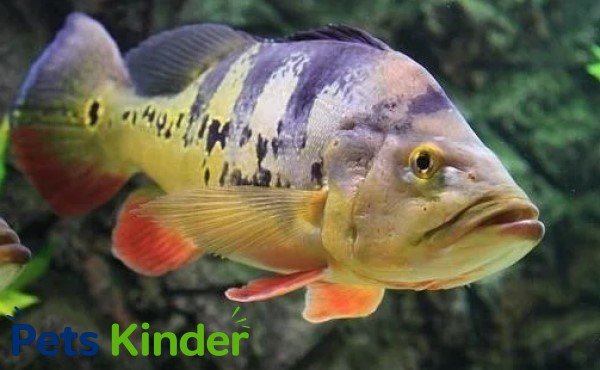
There are fish that look pretty sitting in a tank. And then there’s the peacock bass a fish that commands the entire room. Bold colors, predatory instincts, an almost territorial swagger this is not your average aquarium centerpiece. Whether you’re a seasoned fish keeper looking for your next challenge or a curious beginner who just stumbled across photos of this stunning species, one thing becomes clear almost immediately: the peacock bass is in a category of its own.
What Is a Peacock Bass?
Despite the name, the peacock bass isn’t actually a true bass at all. It belongs to the cichlid family genus Cichla and originates from the river systems of South America, particularly the Amazon and Orinoco basins. Portuguese speakers call them “tucunaré,” a name still widely used in Brazil. Spanish speakers often call them “pavón.” In the United States, they’ve also been introduced into warm-water systems in South Florida, where they’ve established wild populations and become a target for sport anglers.
The “peacock” name comes from the striking eyespot marking found on the tail or body of many species a bold, ocellated pattern reminiscent of a peacock’s feather. It’s one of nature’s more dramatic visual displays, and it makes these fish instantly recognizable.
Peacock Bass Types: More Variety Than You’d Expect
Many people assume peacock bass refers to a single species. In reality, there are over a dozen recognized species within the Cichla genus, and researchers continue to refine that classification. Understanding peacock bass types matters a great deal, whether you’re keeping them in an aquarium or pursuing them on the water.
The Most Common Peacock Bass Types
The Butterfly Peacock Bass (Cichla ocellaris) is probably the most well-known and widely kept species. It features vibrant yellow-gold flanks with a distinctive black eyespot and three dark vertical bars along the body. This is also the species most commonly established in South Florida’s canal systems.
The Speckled Peacock Bass (Cichla temensis) is the giant of the genus. It grows larger than virtually any other species and is highly sought after by trophy anglers in the Amazon basin. Its coloration is more muted compared to some cousins, but its sheer size makes it legendary.
The Monoculus Peacock Bass (Cichla monoculus) is another commonly encountered species, particularly in the aquarium trade. It’s slightly more manageable in size than temensis and displays attractive patterning that appeals to serious fishkeepers.
Beyond these, species like Cichla kelberi, Cichla pleiozona, and Cichla orinocensis each occupy distinct river drainages and display their own unique color patterns and behavioral traits. If you’re diving deep into this genus, there’s no shortage of fascinating variation to explore.
Peacock Bass Size: Setting Realistic Expectations
Peacock bass size is one of the first things prospective keepers need to understand and respect. These are not small fish, and pretending otherwise leads to regret for both owner and animal.
Butterfly peacock bass typically reach 12 to 20 inches in captivity, with wild specimens occasionally exceeding that. Speckled peacock bass are the record-breakers, with wild fish documented beyond 30 inches and exceeding 25 pounds in prime South American rivers. Even the more “compact” aquarium species will easily hit 12 to 16 inches under good care.
Growth rate is also impressive. A well-fed juvenile can grow several inches in just a few months. This rapid development means that the cute little 3-inch fish you bring home can transform into a substantial predator faster than most people anticipate. Planning for full adult size from day one isn’t just advisable it’s essential.
Peacock Bass Aquarium: What It Actually Takes
Keeping peacock bass in an aquarium is genuinely rewarding, but it demands serious commitment. These fish push the limits of what most standard home setups can accommodate, and cutting corners on space or water quality leads directly to stress, disease, and behavioral problems.
Tank Size Requirements
For a single butterfly peacock bass, a minimum of 100 gallons is a reasonable starting point though larger is always better. If you’re keeping a pair or housing a bigger species like Cichla temensis, you’re looking at 200 gallons or more. These fish are active swimmers that patrol territory aggressively, and a cramped environment brings out the worst in their temperament while suppressing their natural behavior.
Water Parameters and Filtration
Peacock bass thrive in warm, clean, well-oxygenated water. Target temperatures between 76°F and 84°F, a pH between 6.0 and 7.5, and soft to moderately hard water that mirrors their Amazonian origins. Powerful filtration is non-negotiable these are heavy feeders that produce significant waste, and ammonia or nitrite spikes will cause rapid health deterioration.
Tank Setup and Companions
Décor should include open swimming space combined with structure large driftwood pieces, rock formations, and hardy plants (or artificial alternatives) that create visual breaks and territories. Avoid overly cluttered layouts that restrict movement.
Tankmates are where things get genuinely complicated. Peacock bass are apex predators with a simple philosophy: anything that fits in their mouth is food. Small fish, shrimp, and even medium-sized cichlids are all at risk. Successful community setups typically involve similarly sized, robust fish large Oscar cichlids, large catfish species, or similarly sized predatory fish. Even then, individual temperament varies, and monitoring for aggression is ongoing.
Diet and Nutrition
In the wild, peacock bass feed primarily on smaller fish, crustaceans, and aquatic invertebrates. They’re ambush predators with explosive strike speed, and that hunting drive doesn’t disappear in captivity.
Juveniles adapt more readily to prepared foods. Starting young fish on high-quality floating pellets, supplemented with live or frozen offerings like feeder fish, shrimp, and earthworms, builds a solid nutritional foundation. Adults can be more stubborn. Many experienced keepers recommend weaning peacock bass off live feeder fish as early as possible not only because live feeders introduce disease risk, but because a diet of nutritionally complete pellets and varied frozen foods produces healthier long-term outcomes. Frozen silversides, tilapia strips, and large carnivore pellets form the core of a well-balanced adult diet.
Health, Care, and Common Issues
Peacock bass are hardy fish when kept in appropriate conditions, but they’re not bulletproof. Ich (Ichthyophthirius multifiliis) is a common parasitic threat, particularly when water temperatures fluctuate or new fish are introduced without proper quarantine. Symptoms include white salt-like spots, flashing behavior, and lethargy. Treatment with aquarium salt and elevated temperatures works in mild cases, with medication required for more severe outbreaks.
Hole-in-the-head disease (hexamitosis) appears in cichlids kept in poor water conditions or fed inadequate diets. It presents as pitting around the head and lateral line and responds well to improved water quality, diet correction, and targeted medication. Internal parasites can also be introduced through live feeder fish, which is another strong argument for transitioning to prepared foods.
Stress-related illness is the underlying factor in many peacock bass health problems. A fish that’s housed in too-small a space, exposed to constant tankmate aggression, or kept in water outside its preferred parameters will eventually show it through dull coloration, reduced appetite, and increased disease susceptibility.
Peacock Bass for Sale: What to Look For
When searching for peacock bass for sale, source from reputable aquarium dealers or specialist cichlid breeders whenever possible. Healthy specimens display vivid coloration, active swimming behavior, alert eyes, and no visible wounds or fin damage. Ask about feeding history a fish already eating prepared foods is significantly easier to transition into long-term captive care than one that’s been sustained entirely on live feeders.
Import regulations vary by state and country, so verify that the species you’re purchasing is legal to own in your area before buying. Some Cichla species are restricted or prohibited in certain regions due to their potential ecological impact as invasive species.
Lifespan and Long-Term Commitment
With proper care, peacock bass live between 8 and 12 years in captivity, and some individuals have exceeded that range in well-maintained systems. That’s a decade or more of feeding, tank maintenance, water testing, and veterinary attention if health issues arise. Before committing, consider whether you have the space, budget, and dedication to see that commitment through. These fish aren’t forgiving of neglect, but they reward attentive keepers with extraordinary color, personality, and presence that few aquarium fish can match.