Red Tail Boa: The Gentle Giant of the Reptile World
A Complete Guide to Size, Care, Price, and What Makes This Snake So Captivating

Few snakes capture the imagination quite like the red tail boa. With its powerful build, striking pattern, and surprisingly calm demeanor, this species has become one of the most popular large constrictors kept in captivity today. Whether you’re a longtime reptile keeper or someone just starting to explore the idea of owning a snake, the red tail boa offers a fascinating mix of beauty and manageability. This article walks through everything you need to know, from physical traits to long-term care, before bringing one home.
What Is a Red Tail Boa?
The red tail boa, scientifically known as Boa constrictor, is a non-venomous constrictor native to Central and South America. Unlike venomous snakes that rely on toxins to subdue prey, the red tail boa squeezes its food until it can no longer breathe. Despite this powerful hunting method, these snakes are known for being relatively docile around humans, especially when handled regularly from a young age and given a stable, stress-free environment.
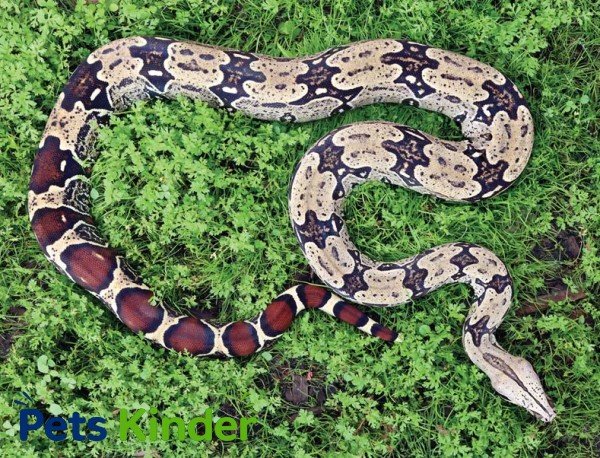
This species gets its name from the reddish-brown saddle markings near the tail, which contrast beautifully against its tan or gray base coloring. Because of their striking appearance and manageable temperament, red tail boas have become a staple in the exotic pet trade. They’re often recommended to intermediate reptile keepers who have some experience handling snakes but aren’t quite ready for more aggressive or demanding species.
Key Features and Physical Characteristics
Red Tail Boa Size
One of the first things people want to know is just how large a red tail boa size can get. On average, adult females tend to reach lengths between 7 and 10 feet, while males are typically smaller, ranging from 6 to 8 feet. Some exceptionally large females have been recorded at over 12 feet, though this is less common in captivity. Because of their impressive size, prospective owners need enclosures that can comfortably accommodate a fully grown adult.
Beyond their length, red tail boas have a thick, muscular body built for constriction. Their heads are relatively small compared to their bodies, but don’t let that fool you. A red tail boa’s strength lies in its coils rather than its bite, which is part of why experienced keepers often describe handling them as surprisingly smooth once the snake feels secure and comfortable in its environment.
Red Tail Boa Teeth and Bite Considerations
While red tail boas aren’t venomous, their teeth still deserve respect. Red tail boa teeth are small, curved, and arranged in rows designed to grip prey rather than tear it apart. If a bite does occur, it’s usually due to feeding-related excitement or stress rather than genuine aggression. Most bites result in minor puncture wounds, and serious injuries are rare among responsibly handled, well-socialized boas.
That said, new owners should always approach feeding time with caution. Because red tail boa teeth curve backward, a bite can sometimes cause more discomfort during removal than during the initial strike. Using feeding tongs and maintaining a calm, predictable routine significantly reduces the risk of accidental bites, especially as the snake grows larger and more powerful over time.
Diet and Nutrition
In the wild, red tail boas eat a variety of small mammals, birds, and occasionally other reptiles. In captivity, most owners feed their boas appropriately sized rats or rabbits, with frequency depending on the snake’s age and size. Juveniles typically eat every one to two weeks, while adult red tail boas may only need to eat once every three to four weeks, since their metabolism slows considerably as they mature.
Proper nutrition plays a major role in long-term health. Overfeeding can lead to obesity, which puts unnecessary strain on a boa’s organs and shortens its lifespan. Owners should always offer prey that’s appropriately sized relative to the snake’s girth, and fresh water should be available at all times to support healthy digestion and proper hydration.
Health, Care, and Common Issues
Red tail boas are generally hardy snakes, but they still require specific environmental conditions to stay healthy. Proper humidity levels, typically between 50 and 60 percent, help prevent shedding issues and respiratory problems. Maintaining a temperature gradient within the enclosure, usually ranging from 80 to 85 degrees Fahrenheit on the cool side and slightly warmer on the basking end, supports proper digestion and overall metabolic function.
Common health issues in red tail boas include respiratory infections, mites, and inclusion body disease, a serious viral condition that affects boas and pythons. Regular enclosure cleaning, proper humidity control, and quarantine procedures for new snakes all help minimize these risks. Routine veterinary checkups with a reptile-experienced vet can catch potential problems early, ultimately extending the snake’s quality of life.
Because red tail boas are large, powerful animals, secure enclosures are absolutely essential. Weak latches or poorly secured lids can lead to escapes, which pose risks to both the snake and household members. Investing in a well-built enclosure designed specifically for large constrictors is one of the most important steps any responsible owner can take.
Lifespan and Long-Term Considerations
With proper care, red tail boas can live remarkably long lives, often reaching 20 to 30 years in captivity. This impressive lifespan means owning one is a serious, long-term commitment rather than a short-lived novelty. Anyone considering this species should think carefully about decades of feeding, housing, and habitat maintenance before bringing one home, since circumstances and living situations can change significantly over that time.
As red tail boas age, their dietary and habitat needs evolve as well. Larger enclosures, adjusted feeding schedules, and ongoing health monitoring all become necessary as the snake matures. Owners who stay proactive about these changing needs tend to enjoy healthier, longer-lived snakes that remain manageable and comfortable throughout every stage of their development.
A Famous Reptile Enthusiast
Interestingly, wildlife expert Steve Irwin frequently highlighted boa constrictors during his television career, helping introduce global audiences to the calm, fascinating nature of large constrictors like the red tail boa. His enthusiasm for reptiles played a meaningful role in shifting public perception, showing viewers that these snakes could be both impressive and approachable when handled with knowledge and respect.
Red Tail Boa Price and Where to Find Them
For those searching for a red tail boa for sale, prices vary depending on age, coloration, and genetic lineage. On average, red tail boa price typically ranges from 100 to 400 dollars for standard morphs, while rarer color variations can cost significantly more. Always purchase from reputable breeders who can verify the snake’s health history and provide guidance on proper care from day one.
When browsing listings for a red tail boa for sale, it helps to ask detailed questions about feeding history, shedding patterns, and overall temperament. Reputable sellers are usually happy to share this information, and visiting in person whenever possible allows potential owners to observe the snake’s behavior firsthand before making a final decision.
Final Thoughts
The red tail boa remains one of the most rewarding snakes a reptile enthusiast can own, combining impressive size with a surprisingly manageable temperament. From understanding red tail boa size and feeding needs to recognizing the importance of secure housing, responsible ownership starts with education. With proper diet, consistent care, and a stable environment, this captivating species can thrive for decades, making it a lifelong companion for dedicated reptile keepers.