Discovering the Fascinating World of Florida Lizards
Florida is home to an incredible variety of reptiles, and Florida lizards are among the most interesting creatures found across the state’s diverse environments. From sunny backyards and gardens to wetlands, forests, and coastal areas, these reptiles have adapted to many different habitats. Their ability to survive in changing conditions makes them an important part of Florida’s natural ecosystem.
Many people notice these small reptiles while spending time outdoors, especially during warm weather when lizards become more active. They help control insect populations and contribute to the balance of local environments. While some species are native, others have arrived from different regions and successfully adapted to Florida’s climate.
Understanding Florida lizards allows people to appreciate their role in nature rather than viewing them only as backyard visitors. These reptiles display unique behaviors, feeding habits, and survival strategies that make them valuable members of the wildlife community.
Types of Florida Lizards and Their Characteristics
The types of Florida lizards include a wide range of species with different sizes, colors, and behaviors. Some of the most commonly seen varieties include anoles, skinks, geckos, and fence lizards. Each species has unique features that help it survive in Florida’s warm and humid environment.
Anoles are among the most recognizable lizards in the state. They are known for their ability to change shades slightly, climb surfaces, and display colorful throat fans called dewlaps. Green anoles are especially common in gardens and trees, where they hunt insects and defend their territories.
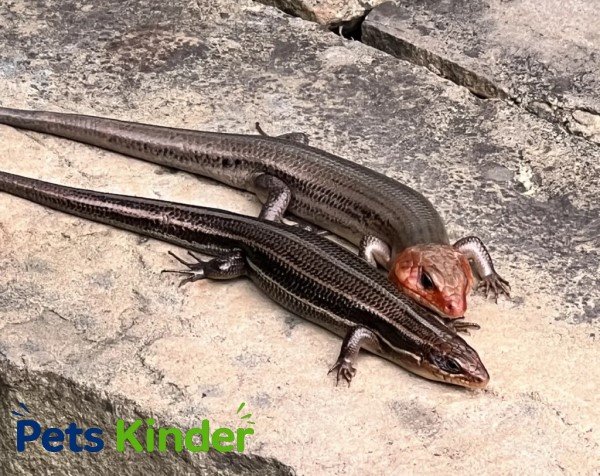
Skinks are another popular group found throughout Florida. These lizards usually have smooth, shiny bodies and quick movements. Many skinks spend time on the ground searching for insects and hiding under leaves or debris. Their streamlined bodies help them move quickly when escaping predators.
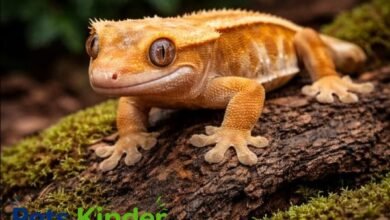
Geckos are also part of the diverse reptile population in Florida. Many geckos are active at night and are often seen around lights where insects gather. Their specialized feet allow them to climb walls and other smooth surfaces, making them easy to identify.
Common Florida Lizards Found Around Homes and Nature Areas
The common Florida lizards that people frequently encounter are usually harmless and beneficial. Green anoles, brown anoles, and house geckos often appear near homes because gardens and buildings provide shelter, warmth, and access to food. These reptiles usually avoid humans and prefer to escape rather than interact.
Brown anoles are especially widespread and can be found in many urban and suburban areas. They are active during the day and often sit on fences, sidewalks, or tree trunks. Although they are not native to Florida, they have become one of the most familiar lizards in the region.
Another interesting species is the eastern fence lizard, which prefers open areas with plenty of sunlight. These lizards often climb trees, fences, and wooden structures while searching for insects. Their rough scales and quick movements make them easy to distinguish from smoother species.
What Do Florida Lizards Eat?
Many people wonder, what do Florida lizards eat, especially when they notice them around their homes. Most Florida lizards are insectivores, meaning they mainly consume insects and small invertebrates. Their diet commonly includes ants, beetles, flies, spiders, and other small creatures.
Because they eat insects, these reptiles can actually benefit gardens and outdoor spaces. They naturally reduce populations of pests without chemicals, making them useful contributors to a healthy environment. However, their diet can vary depending on species, size, and available food sources.
Some larger lizards may eat small vertebrates, fruits, or plant material occasionally. Additionally, young lizards often require more frequent feeding because they are growing rapidly. Access to suitable food sources plays an important role in their survival and overall health.
Behavior and Adaptations of Florida Lizards
Florida lizards have developed impressive adaptations that help them survive in warm climates. Many species rely on camouflage, speed, and climbing abilities to avoid predators. Their ability to hide among plants, rocks, and trees gives them a major advantage in the wild.
Temperature regulation is another important behavior. Since lizards are cold-blooded animals, they depend on external heat sources to maintain body temperature. You may often see them resting in sunny areas during cooler periods because sunlight helps increase their activity levels.
Many Florida lizards also communicate through body movements and displays. Some species use head movements, push-ups, or colorful throat displays to attract mates or warn rivals. These behaviors reveal a complex social structure that many people overlook.
Do Florida Lizards Bite and Are They Dangerous?
A common question among residents and visitors is, do Florida lizards bite. Most Florida lizards are not aggressive toward humans and rarely bite unless they feel threatened or are handled incorrectly. Their first response is usually to run away and hide.
Although a bite from a small lizard is usually not dangerous, it can still cause minor discomfort. Wild animals should always be observed respectfully because handling them can create stress for both the animal and the person. Washing hands after touching reptiles is also a good safety practice.
Some people mistakenly fear lizards because of their appearance, but these reptiles are generally peaceful. In fact, their presence often indicates a healthy outdoor environment with natural insect activity and suitable habitat.
Caring for Florida Lizards as Pets
Some people choose to keep certain Florida lizards as pets, especially species that are legally available and commonly kept in captivity. However, responsible ownership requires understanding their specific habitat, temperature, humidity, and feeding needs.
A proper enclosure should provide hiding areas, climbing opportunities, and appropriate lighting. Since lizards depend on environmental conditions for their health, incorrect temperatures or poor nutrition can lead to serious problems.
Common health issues in captive lizards may include dehydration, improper shedding, nutritional deficiencies, and stress-related problems. Regular observation, proper feeding, and a clean habitat help prevent many concerns.
Lifespan and Long-Term Considerations
The lifespan of Florida lizards varies depending on species, environment, and care. Wild lizards often face challenges from predators, weather conditions, and habitat changes. However, some species can live several years when conditions are favorable.
For those keeping lizards as pets, long-term responsibility is essential. Owners should understand that reptiles require consistent care even though they may not need the same attention as traditional pets. Providing proper conditions allows them to remain healthy and active.
The importance of reptiles in nature has been highlighted by many wildlife advocates and educators. Famous naturalist Steve Irwin dedicated his life to teaching people about reptiles and encouraging respect for wildlife. His work helped millions of people understand why animals like lizards deserve protection and appreciation.
Final Thoughts on Florida Lizards
Florida lizards represent the incredible diversity of reptiles found in warm ecosystems. Their unique behaviors, feeding habits, and survival skills make them fascinating animals to observe. Whether found in a backyard, forest, or coastal area, they play an important role in maintaining ecological balance.
Learning about these reptiles helps people understand that they are not unwanted pests but valuable parts of nature. With respect and awareness, Florida lizards can continue thriving alongside humans while reminding us of the amazing wildlife that exists in our surroundings.