Emerald Tree Boa: A Complete Guide to Its Beauty, Behavior, Care, and Long-Term Needs

Understanding the Emerald Tree Boa and Its Natural World
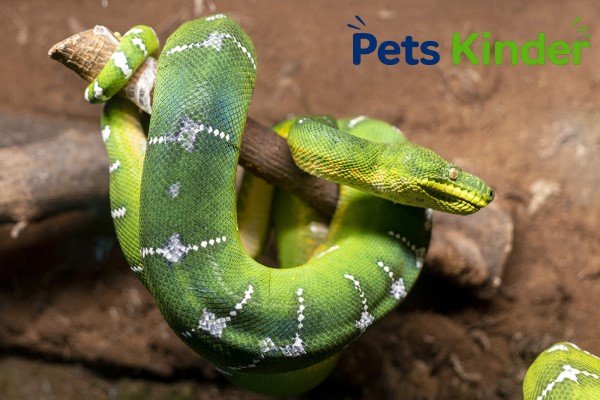
The emerald tree boa is one of the most visually striking snakes in the reptile world, admired for its bright green coloration, unique body structure, and fascinating tree-dwelling lifestyle. Native to the rainforests of South America, this snake spends much of its life wrapped around branches, waiting patiently for prey. Its calm movements and incredible camouflage make it a favorite among experienced reptile enthusiasts who appreciate exotic animals.
The emerald tree boa has developed several remarkable adaptations that help it survive in humid forest environments. Its strong muscles allow it to move easily through trees, while its specialized tail helps with balance and gripping branches. Unlike many ground-dwelling snakes, this species depends heavily on an arboreal lifestyle, which means proper climbing space and environmental enrichment are essential when kept in captivity.
Key Features and Physical Characteristics of the Emerald Tree Boa
The emerald tree boa is famous for its vivid green scales, although some individuals may show yellow, white, or darker markings depending on age and location. Its large head, slender body, and contrasting white markings create a distinctive appearance that separates it from many other boa species. These physical traits are not only attractive but also support its hunting strategy in dense forest habitats.
One of the most commonly searched topics about this reptile is emerald tree boa size. Adult specimens usually reach around four to six feet in length, although some individuals can grow slightly larger. Their body shape often makes them appear longer because they stretch across branches rather than lying flat on the ground. Despite their size, they are not considered giant snakes and can be managed by skilled keepers.
Another interesting feature is emerald tree boa teeth, which are long, curved, and designed to hold onto prey. These teeth do not work like those of venomous snakes because this species relies on constriction instead of venom. However, the teeth can still cause injuries if the snake feels threatened, so careful handling and respect for the animal’s behavior are always important.
Behavior, Temperament, and Unique Traits
The emerald tree boa is known for its slow and deliberate movements. During the day, it often rests in a coiled position on branches, blending perfectly with surrounding leaves. At night, it becomes more active and begins searching for food. This nighttime behavior reflects its natural hunting style and shows why proper lighting and habitat setup matter for captive care.
A fascinating behavior that many keepers observe is the emerald tree boa yawn. Although it may look unusual, yawning is usually a normal behavior associated with stretching the jaw, adjusting the mouth, or preparing after feeding. However, repeated open-mouth behavior combined with breathing difficulties can indicate health concerns and should not be ignored.
When threatened, the snake may display defensive behavior, including striking or holding a defensive posture. The emerald tree boa bite can be painful because of its sharp teeth, even though it is not venomous. Most bites happen due to stress, incorrect handling, or sudden movements near the snake. Proper experience and patience greatly reduce these risks.
Diet and Nutrition Requirements
In the wild, this snake mainly feeds on small mammals and birds that move through forest canopies. Its hunting method depends on patience, camouflage, and a powerful strike. Once it captures prey, it uses its muscular body to restrict movement before swallowing the meal whole. This natural feeding style should be considered when planning a healthy captive diet.
A captive emerald tree boa typically eats appropriately sized rodents, although feeding schedules depend on age, size, and overall health. Young snakes usually require more frequent meals, while adults often need less frequent feeding. Providing properly sized prey prevents obesity and digestive problems, which are common issues when exotic snakes are overfed.
Fresh water should always be available, and humidity levels must remain suitable because dehydration and poor shedding can create health problems. Additionally, owners should monitor feeding habits carefully because sudden appetite changes may signal stress, illness, or environmental issues.
Health, Care, and Common Issues
Caring for an emerald tree boa requires knowledge, consistency, and attention to detail. A proper enclosure should provide climbing branches, hiding areas, suitable temperature zones, and controlled humidity. Since this snake spends most of its time above ground, a tall enclosure is generally more useful than a wide one.
Common health concerns include respiratory infections, retained shed, parasites, and mouth infections. Poor ventilation, incorrect humidity, and unclean conditions can increase the chances of these problems. Regular observation helps owners notice early warning signs such as unusual breathing, weight loss, reduced movement, or changes in skin appearance.
Before purchasing any exotic reptile, potential owners should research responsible sources. Many people search for emerald tree boa for sale when considering ownership, but availability and legality can vary by region. Choosing ethical breeders and understanding the commitment involved helps protect both the animal and the owner.
Lifespan and Long-Term Considerations
With proper care, an emerald tree boa can live for many years, often reaching around 15 years or more in captivity. Long-term success depends on maintaining stable environmental conditions, offering a balanced diet, and reducing unnecessary stress. This species is not ideal for beginners because it requires more specialized care than many common pet snakes.
The responsibility of owning this snake also includes understanding its natural behaviors. The emerald tree boa is not a pet that should be handled constantly. Instead, it is best appreciated as a beautiful and fascinating animal that displays natural behaviors when given a suitable environment.
Many wildlife enthusiasts and reptile lovers admire conservation advocates and famous nature personalities who promote respect for animals and ecosystems. For example, the work of Steve Irwin helped introduce millions of people to wildlife education and encouraged a deeper appreciation for unique species around the world. His passion for conservation continues to influence how people view exotic animals today.
Final Thoughts on Keeping an Emerald Tree Boa
The emerald tree boa remains one of the most impressive reptiles because of its appearance, behavior, and specialized adaptations. Its bright colors, climbing abilities, and quiet personality make it a remarkable species for knowledgeable keepers. However, its beauty comes with responsibility, and anyone considering ownership should understand its habitat needs, feeding requirements, and long-term care demands.
Learning about this snake before bringing one home is the best way to provide proper care. With the right environment, nutrition, and respect, the emerald tree boa can thrive and remain a fascinating example of nature’s incredible diversity.