A compact, hardy, and surprisingly productive cattle breed built for modern homesteads
If you picture a full-grown cow as something the size of a small car, the Dexter cow will change your mind. Originally from Ireland, this small but sturdy breed has become a favorite among homesteaders, hobby farmers, and anyone who wants dairy and beef potential without the space demands of a standard-sized herd. Because it rarely grows taller than 42 inches at the shoulder, this compact animal fits comfortably on properties where larger cattle simply would not work. Still, do not let the size fool you. A Dexter cow carries a big personality, a resilient constitution, and a production record that rivals breeds twice its size.
In this guide, we will walk through what makes the breed unique, what it eats, how to keep one healthy, and what buyers should expect if they are considering a Dexter cow for sale. Understanding this animal’s needs will help you decide if it belongs on your property.
Key Features and Characteristics
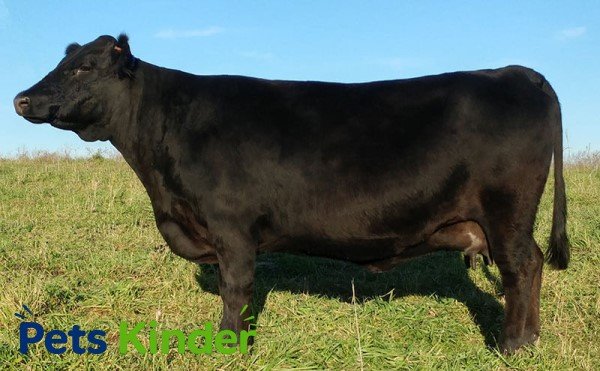
The most obvious trait of a Dexter cow is its compact frame. Dexter cow size typically ranges between 36 and 42 inches tall, with mature animals weighing between 600 and 750 pounds, roughly a third the size of a standard Angus or Holstein. This smaller Dexter cow size means less feed consumption, gentler impact on pasture, and easier handling for owners who may not have experience with larger cattle. Despite their diminutive stature, these animals are proportionally built, with strong legs, a deep chest, and a sturdy frame that reflects centuries of adaptation to rugged Irish terrain.
Coat color is usually black, though red and dun variations occur within the breed standard. Horns, when present, curve gently upward, though many owners choose polled bloodlines for easier management. Temperament is another standout quality. A well-socialized Dexter cow tends to be calm, curious, and remarkably easy to work with, which makes it popular among families and first-time cattle owners alike. Because the breed was originally developed as a dual-purpose animal, it delivers both meat and milk, a versatility that few modern cattle breeds still offer in such a small package.
Milk Production and Dairy Potential
One of the biggest draws for small-scale farmers is Dexter cow milk. A single animal can produce between one and two gallons per day, a manageable amount for a household without the surplus that comes from full-sized dairy breeds. This milk is also prized for its high butterfat content, often four to five percent, making Dexter cow milk excellent for butter, cheese, and other homemade dairy products. Because the breed is naturally efficient, a lactating Dexter cow generally requires less supplemental feed than larger dairy breeds to sustain production, which is precisely why it continues to gain traction among people pursuing self-sufficient living.
Many owners find that a steady supply of Dexter cow milk is enough to cover a family’s needs while leaving extra for calves or barter.
Diet and Nutrition
Feeding a Dexter cow is refreshingly straightforward. Quality pasture forms the foundation of the diet, and thanks to their smaller frame, these animals need noticeably less grazing land than standard cattle. A single acre of good pasture can often support one comfortably, though rotational grazing improves both pasture health and animal condition over time. During colder months or when pasture is scarce, hay should replace fresh grazing, ideally supplemented with a mineral block formulated for cattle to prevent deficiencies.
Lactating or pregnant animals may need modest grain supplementation to support milk production and fetal growth, but overfeeding grain can lead to obesity, since a Dexter cow is naturally efficient at converting forage into body condition. Fresh water should always be available, and owners should monitor body condition regularly, adjusting feed as needed. Because the breed evolved on rocky, forage-limited terrain, it thrives on modest, high-fiber diets rather than rich, calorie-dense feed, which also helps keep long-term veterinary costs lower.
Health, Care, and Common Issues
Overall, a Dexter cow is considered a hardy and low-maintenance breed, but a few genetic conditions deserve attention. Chondrodysplasia, sometimes called “bulldog calf syndrome,” is a recessive disorder that can occur in Dexter lines, so reputable breeders test for the gene before pairing animals. Pulmonary hypoplasia with anasarca, or PHA, is another inherited condition worth screening for when purchasing breeding stock. Beyond these breed-specific concerns, the breed is generally resistant to common cattle ailments and tends to calve with fewer complications than larger breeds, thanks to smaller calf birth weights.
Routine care includes annual vaccinations, regular hoof trimming, and deworming on a schedule appropriate for your region. Because a Dexter cow is naturally hardy, many owners find veterinary intervention is rarely needed beyond standard preventive care. Shelter from extreme weather, clean bedding, and consistent access to fresh water round out the basic requirements, and early detection of any issue keeps treatment simple and inexpensive.
Lifespan and Long-Term Considerations
A Dexter cow typically lives between 15 and 20 years, longer than many commercial cattle breeds, largely due to the reduced physical strain associated with a smaller frame. This extended lifespan means a single animal can serve a family for well over a decade, whether kept for milk, breeding, or companionship. Owners considering a long-term investment should factor in that a healthy, well-cared-for animal will likely remain productive into its teenage years, unlike many commercial breeds that decline much earlier.
Price and Buying Considerations
For those exploring a Dexter cow for sale, price varies significantly based on age, bloodline, and purpose. A typical Dexter cow price ranges from $800 for a young heifer to $3,000 or more for a proven, registered breeding female with strong dairy or show lineage. Bulls and trained oxen pairs often command higher prices due to demand and training investment. When comparing listings, buyers should ask about genetic testing results, particularly for chondrodysplasia and PHA, since untested animals may carry hidden risks despite a lower Dexter cow price upfront.
Reputable breeders typically register animals with a recognized Dexter cattle association, and this documentation often affects overall value as much as physical condition does. When searching for a Dexter cow for sale, prioritize sellers who provide health records, vaccination history, and clear pedigree information rather than focusing on price alone. A slightly higher Dexter cow price from a transparent, experienced breeder often saves money in the long run by reducing the risk of genetic complications down the road.
Final Thoughts
A Dexter cow offers a rare combination: manageable size, genuine dairy and beef productivity, a friendly temperament, and impressive longevity. For anyone weighing the practicalities of small-scale cattle ownership, from Dexter cow size to overall temperament, this breed consistently proves itself as a smart, sustainable choice. With proper care, sound genetics, and a bit of pasture space, it can become a rewarding, long-term addition to any small farm or homestead.