The snow rabbit is admired for its beautiful white coat, gentle personality, and captivating appearance. Whether found in carefully managed breeding programs or kept as a cherished companion, this remarkable rabbit attracts attention wherever it goes. Its elegant look often creates an impression of purity and grace, making it one of the most visually appealing rabbits among enthusiasts.
Many people become interested in the snow rabbit because of its striking appearance, but there is much more to appreciate beyond its snowy fur. Understanding its characteristics, nutritional needs, health requirements, and long-term care considerations helps owners provide the best possible environment. As a result, these rabbits can thrive and enjoy healthy, fulfilling lives under proper care.
What Is a Snow Rabbit?
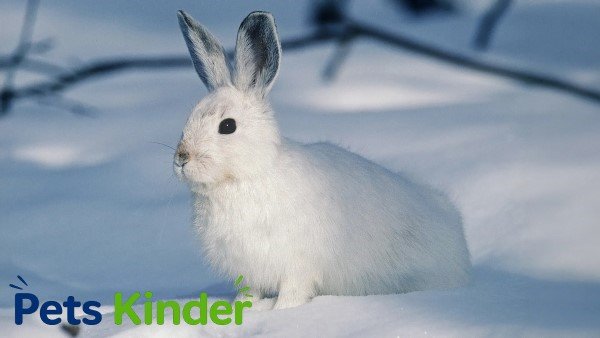
The term snow rabbit generally refers to a rabbit with a brilliant white coat that resembles freshly fallen snow. While different breeds may display this coloration, many enthusiasts use the name to describe rabbits known for their exceptionally clean and bright white appearance.
A snow rabbit often becomes a favorite among pet owners because of its elegant look and calm temperament. Additionally, its unique coloration makes it stand out at exhibitions, breeding programs, and family homes. Although appearance initially attracts attention, the rabbit’s personality and adaptability are equally important reasons for its popularity.
The snow rabbit breed is valued not only for beauty but also for its ability to adapt to various living environments when provided with appropriate care and housing conditions.
Physical Characteristics of the Snow Rabbit
One of the most attractive aspects of the snow rabbit is its distinctive appearance. Its white fur creates a stunning visual contrast, especially when paired with bright eyes and a well-proportioned body structure.
Coat and Appearance
The coat of a snow rabbit is typically soft, dense, and luxurious. Regular grooming helps maintain its pristine appearance and prevents dirt buildup that can become more noticeable on lighter-colored fur. Furthermore, the dense coat provides insulation and contributes to the rabbit’s overall comfort throughout changing seasons.
Many examples of the snow rabbit breed possess symmetrical body structures and balanced proportions. These qualities make them appealing both as companion animals and as show rabbits in competitive settings.
Size and Build
The size of a snow rabbit varies depending on genetics and specific breeding lines. Most individuals have sturdy bodies, strong hind legs, and alert postures. Their physical build allows them to move gracefully while maintaining the agility commonly associated with rabbits.
Despite their elegant appearance, these rabbits are often surprisingly energetic. Therefore, providing adequate exercise opportunities remains an important part of responsible ownership.
Personality and Temperament
A snow rabbit is often appreciated for its friendly and gentle disposition. While individual personalities vary, many owners describe these rabbits as curious, intelligent, and affectionate when properly socialized from a young age.
They frequently enjoy interacting with their caretakers and exploring their surroundings. Moreover, consistent handling helps build trust and strengthens the bond between rabbit and owner. Because of their generally calm nature, many families find them suitable companions when treated with respect and patience.
The snow rabbit breed can adapt well to indoor or outdoor housing environments, provided that safety, cleanliness, and weather protection remain priorities.
Diet and Nutrition Requirements
Proper nutrition plays a vital role in maintaining the health and appearance of a snow rabbit. A balanced diet supports healthy digestion, strong immunity, and a beautiful coat throughout the animal’s life.
Essential Dietary Components
High-quality hay should form the foundation of a snow rabbit’s daily diet. Hay provides essential fiber that supports digestive health and helps prevent gastrointestinal complications. In addition, fresh leafy greens contribute important vitamins and minerals that promote overall wellness.
Commercial rabbit pellets can supplement the diet, although owners should choose products specifically formulated for rabbits. Fresh water must also remain available at all times to support hydration and healthy bodily functions.
Foods to Avoid
Certain foods can negatively affect rabbit health and should be avoided. Excessive sugary treats, processed foods, and inappropriate human snacks may contribute to digestive problems and obesity. Consequently, owners should focus on providing natural, rabbit-safe foods that support long-term health.
A carefully planned nutritional program allows the snow rabbit to maintain optimal body condition and energy levels throughout its lifespan.
Housing and Daily Care
Creating a comfortable living environment significantly influences the wellbeing of a snow rabbit. Proper housing should provide adequate space for movement, exercise, and rest while protecting the animal from potential hazards.
A clean enclosure helps reduce disease risks and keeps the rabbit comfortable. Additionally, regular cleaning prevents the accumulation of waste, bacteria, and unpleasant odors. Many owners also provide tunnels, toys, and enrichment activities to encourage natural behaviors and mental stimulation.
Because rabbits are social and intelligent animals, interaction and environmental enrichment contribute greatly to their overall happiness. Therefore, daily attention remains an important aspect of responsible care.
Health, Care, and Common Diseases
Like all companion animals, the snow rabbit requires routine health monitoring and preventive care. Early identification of potential issues often leads to better treatment outcomes and improved quality of life.
Common Health Concerns
Dental problems represent one of the most common issues affecting rabbits. Since rabbit teeth continuously grow, improper nutrition can lead to overgrowth and discomfort. Digestive disorders, respiratory infections, and obesity may also occur if management practices are inadequate.
Additionally, parasites such as mites can occasionally affect skin and coat quality. Regular health checks help identify these concerns before they become serious complications.
Preventive Care
Preventive care includes maintaining proper nutrition, providing clean housing, and scheduling veterinary examinations when necessary. Furthermore, observing behavioral changes allows owners to recognize signs of illness at an early stage.
Good hygiene and stress reduction contribute significantly to maintaining the health of a snow rabbit. As a result, many common health issues can be minimized through proactive management.
Lifespan and Long-Term Considerations
The lifespan of a snow rabbit depends on genetics, nutrition, healthcare, and overall living conditions. With proper care, many rabbits live between eight and twelve years, while some individuals may exceed these expectations.
Long-term ownership requires commitment and planning. Prospective owners should consider housing needs, dietary expenses, veterinary care, and daily interaction requirements before bringing a rabbit home. Additionally, rabbits thrive when they receive consistent care throughout every stage of life.
The snow rabbit breed rewards dedicated owners with years of companionship, making the investment of time and effort worthwhile for many families and enthusiasts.
Key Features and Characteristics
Several qualities make the snow rabbit particularly appealing among rabbit enthusiasts. Its bright white coat immediately captures attention, while its gentle personality enhances its suitability as a companion animal.
Strong adaptability allows many individuals to thrive in a variety of living environments when cared for properly. Furthermore, their intelligence and curiosity encourage engaging interactions with owners. These combined characteristics contribute to the growing popularity of the snow rabbit breed among rabbit lovers worldwide.
Their elegant appearance, manageable size, and affectionate nature continue to attract both first-time owners and experienced breeders seeking a unique rabbit companion.
Popularity and Appreciation Around the World
The beauty of the snow rabbit has inspired admiration among animal enthusiasts across many countries. Similar to how renowned wildlife advocate Steve Irwin inspired people to appreciate and protect animals of all kinds, rabbit enthusiasts continue promoting responsible care and appreciation for these remarkable animals.
Growing awareness about proper rabbit ownership has helped improve care standards and encouraged more people to learn about the specific needs of breeds with distinctive characteristics. Consequently, the snow rabbit continues to gain recognition among pet lovers and breeders alike.
Conclusion
The snow rabbit combines beauty, intelligence, and companionship in a truly remarkable package. Its striking white coat, gentle temperament, and adaptable nature make it a favorite among rabbit enthusiasts worldwide. Beyond its appearance, however, successful ownership depends on proper nutrition, preventive healthcare, suitable housing, and long-term commitment.
By understanding the unique needs of the snow rabbit and providing consistent care, owners can enjoy many years with a healthy and happy companion. Whether admired for its appearance or cherished for its personality, the snow rabbit remains one of the most captivating rabbits in the animal world.