The Havana Rabbit: A Velvet-Coated Gem That Belongs in More Homes Than You’d Think

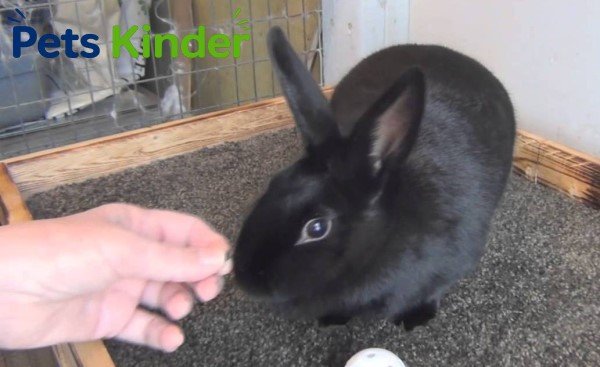
Some rabbit breeds get all the attention the lops with their theatrical ears, the giants that dwarf small dogs, the angoras draped in flowing fiber. The Havana rabbit quietly earns its admirers a different way. No gimmick, no extreme feature. Just a compact, beautifully proportioned rabbit with a coat so glossy and dense it genuinely feels like touching warm velvet. Pair that coat with a calm, personable temperament, and you have a breed that experienced rabbit keepers consistently rank among their favorites. If you haven’t given Havana rabbits serious consideration yet, this guide is about to change that.
The Origins of the Havana Rabbit Breed
Despite the name, the Havana rabbit has nothing to do with Cuba. The breed originated in the Netherlands in 1898, when a distinctly rich, dark brown rabbit appeared unexpectedly in a litter of common Dutch rabbits in the village of Ingen. That first animal attracted immediate attention for its unusually deep color and exceptionally smooth coat. Dutch breeders recognized something special and began selectively breeding to stabilize those traits. The breed spread quickly across Europe and eventually reached the United States in the early 1900s, where the American Rabbit Breeders Association formally recognized it. The name “Havana” was chosen to evoke the rich, dark brown color of Cuban cigars a nod to the original chocolate coloration that defined the breed from the start.
How the Breed Developed Over Time
Early Havana rabbits were exclusively chocolate. Over subsequent decades, dedicated breeders expanded the color palette through careful selective breeding, introducing black, blue, and broken pattern varieties that the ARBA eventually recognized. Each addition broadened the breed’s appeal without compromising the signature coat texture and compact body type that made the original animals so striking. Today the Havana rabbit breed stands as a well-established show rabbit and companion animal with a devoted following across North America and Europe.
Physical Characteristics That Define the Breed
The Havana rabbit is a small to medium breed with a distinctly rounded, compact body type that show standards describe as “mandolin-shaped” when viewed from the side. Adults typically weigh between four and a half and six and a half pounds, making them substantial enough to handle comfortably without being unwieldy. Their heads are round and full, set close to the shoulders with minimal neck visible. Their ears are medium in length, carried erect and close together at the top of the head, giving the face a tidy, well-assembled appearance.
The Coat: The Breed’s Defining Feature
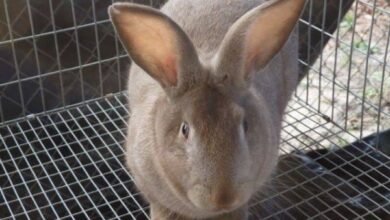
The Havana’s coat is genuinely its most remarkable physical attribute. It’s short, extremely dense, and carries a natural sheen that other breeds simply don’t replicate. Running your hand across it feels like stroking polished fur rather than ordinary rabbit coat. This texture results from the unique structure of the guard hairs, which lie flat against the body and reflect light uniformly. The coat requires minimal grooming a weekly gentle brushing suffices for most of the year, with slightly more attention during seasonal shedding periods.
Havana Rabbit Colors: A Richer Palette Than Most Expect
When most people first encounter the Havana rabbit, they picture chocolate and that original dark brown color remains stunning. But havana rabbit colors now span a meaningful range. The ARBA-recognized varieties include chocolate, black, blue, and broken. The chocolate variety carries a deep, warm brown tone throughout the coat with matching brown eyes. The black variety is a true, dense black with dark eyes. The blue a dilute expression of black presents as a soft, medium blue-gray that’s quietly elegant. The broken pattern combines white with any of the solid colors in irregular patches. Each color variety maintains the same characteristic coat sheen, so the visual impact is consistent regardless of which color you prefer.
Temperament: What Living With a Havana Rabbit Is Actually Like
Havana rabbits have a reputation for being among the more relaxed and people-oriented breeds, and that reputation holds up in practice. They tend to tolerate handling well compared to higher-strung breeds, which makes them a reasonable choice for families with older children who understand how to interact with small animals respectfully. They’re curious and social without being hyperactive. Many Havana owners describe their rabbits as genuinely interactive animals that seek out attention rather than simply tolerating it. That said, like all rabbits, they communicate discomfort clearly and appreciate having a safe retreat space where they can decompress on their own terms.
Diet and Nutrition for Havana Rabbits
Feeding a Havana rabbit correctly is foundational to keeping it healthy over the long term. The backbone of their diet should be unlimited fresh timothy hay or orchard grass, which provides the fiber necessary for healthy gut motility and wears down continuously growing teeth. Hay should make up roughly 80 percent of total food intake this isn’t optional, it’s genuinely critical. Fresh leafy greens like romaine lettuce, cilantro, parsley, and dandelion greens complement the hay component and add variety and moisture to the diet. High-quality pellets serve as a supplement rather than a staple; about a quarter cup per five pounds of body weight daily is a reasonable guideline for adults. Fresh water must be available at all times, whether provided by a heavy ceramic bowl or a reliable bottle system.
Foods to Avoid
Several common foods are genuinely harmful to rabbits and should never be offered. Iceberg lettuce contains compounds that can cause digestive upset. Starchy vegetables like corn and potatoes disrupt the delicate gut bacteria balance. Sugary fruits should be extremely limited a small piece as an occasional treat rather than a dietary component. Onions, garlic, avocado, and anything from the allium family are toxic and should be kept entirely out of reach.
Health, Care, and Common Issues
Dental Health
Like all rabbits, Havanas have teeth that grow continuously throughout their lives. Without sufficient hay to wear them down naturally, overgrown teeth lead to malocclusion a painful misalignment that prevents normal eating and requires veterinary intervention. Providing unlimited hay is the single most effective preventive measure an owner can take. Regular veterinary checkups that include dental assessment catch problems early before they become serious.
GI Stasis: The Most Urgent Health Risk
Gastrointestinal stasis is the condition every rabbit owner needs to understand before bringing any rabbit home. It occurs when the digestive system slows or stops moving, allowing gas to build and gut bacteria to become imbalanced. It can turn life-threatening within hours if not addressed. Symptoms include a rabbit that stops eating, produces no droppings, sits hunched, or grinds its teeth. This is always a veterinary emergency never a wait-and-see situation. Adequate hay intake, hydration, and regular exercise are the best preventive tools available.
Additional Health Considerations
Havana rabbits are also susceptible to respiratory infections, particularly in environments with poor ventilation or drafts. Ear mites, fleas, and fur mites can affect indoor rabbits, especially in multi-pet households. Spaying and neutering significantly reduces the risk of reproductive cancers uterine cancer affects a remarkably high percentage of unspayed does and generally improves temperament and litter box reliability. Finding an exotic animal veterinarian experienced with rabbits before you need one is strongly advisable.
Lifespan and Long-Term Considerations
Havana rabbits typically live between seven and twelve years with attentive care, placing them among the longer-lived small companion animals. That lifespan demands genuine long-term planning. Housing, diet, veterinary care, and daily interaction are consistent commitments across that entire period. Many owners underestimate the time and financial investment involved in rabbit ownership, which contributes to high rates of surrender at shelters. Going in with realistic expectations and genuine enthusiasm for meeting those needs makes all the difference.
A Voice That Shaped How We Think About Rabbits
Marinell Harriman, author of the foundational rabbit care book “House Rabbit Handbook,” transformed how North American rabbit owners think about their animals’ needs, indoor housing, and behavioral enrichment. Her work through the House Rabbit Society established the evidence base for many modern rabbit care standards, including the centrality of hay-based diets and the importance of spay and neuter programs for companion rabbits.
Final Thoughts
The Havana rabbit breed rewards owners who take the time to understand what it actually needs. The glossy coat, calm temperament, and manageable size make it an appealing choice across a wide range of living situations. But like every rabbit, Havanas thrive only when diet, housing, veterinary care, and social interaction are taken seriously. Approach ownership with that level of commitment, and you’ll have an exceptional companion for well over a decade.