Ask ten people on the street what the difference is between a bunny and a rabbit, and nine of them will shrug. Ask about hares, and you’ll probably get a blank stare. It seems like a trivial question the kind of thing you debate for thirty seconds before moving on. But the bunny vs rabbit question actually opens up a surprisingly deep conversation about language, biology, animal care, and the way popular culture shapes what we think we know. And when you add hares into the mix? The plot thickens considerably. Let’s get into it.
Bunny vs Rabbit: Same Animal, Different Word Or Is It?
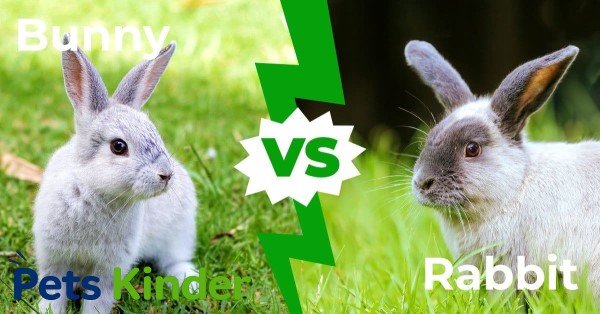
The most direct answer to the bunny vs rabbit debate is this: they are the same animal. “Rabbit” is the correct scientific and veterinary term. “Bunny” is informal, affectionate, and carries no biological weight whatsoever. If you walked into a veterinary clinic and described your pet as a bunny, the vet would simply treat it as a rabbit because that’s exactly what it is.
Where “Bunny” Comes From
The word “bunny” has interesting linguistic roots. It likely developed as a diminutive of “bun,” an old dialectal word for rabbit used in parts of Britain. Over time, “bunny” evolved into a term of endearment, particularly for young or small rabbits, and eventually spread into everyday language across the English-speaking world. Today, it dominates in casual conversation, children’s media, holiday imagery, and pet store marketing. The word carries warmth and familiarity that “rabbit” simply doesn’t, which is precisely why it stuck.
Why the Distinction Actually Matters
Here’s the thing while the bunny vs rabbit distinction is technically just semantic, it has real-world consequences. People who think of their pet as a “bunny” often underestimate the level of care these animals require. The word “bunny” conjures something cute, simple, low-maintenance. “Rabbit,” used in veterinary and scientific contexts, signals a complex animal with specific dietary, social, and medical needs. The language we use shapes our expectations, and in pet ownership, mismatched expectations cause real harm. Knowing that your bunny is a rabbit a prey animal with a 10-to-12-year lifespan and sophisticated behavioral needs sets you up for a much better relationship from the start.
Bunny vs Rabbit vs Hare: Now Things Get Genuinely Interesting
The moment you bring hares into the bunny vs rabbit vs hare conversation, you’re no longer talking about terminology. You’re talking about biology, and the differences run surprisingly deep.
What Exactly Is a Hare?
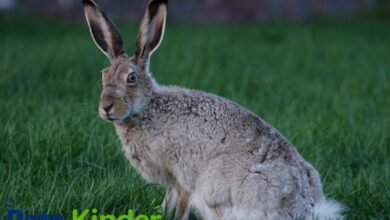
Hares belong to the genus Lepus within the family Leporidae the same family as rabbits. At a glance, a hare looks like a larger, longer-legged version of a rabbit, with taller ears and a slightly more angular face. But that surface resemblance hides some profound biological divergence. Hares and rabbits split along separate evolutionary branches long ago, and the differences in how they live, reproduce, and survive reflect millions of years of distinct adaptation.
The Birth Difference That Changes Everything
Perhaps the single most striking contrast in the bunny vs rabbit vs hare comparison is how their young come into the world. Rabbit kits the proper term for newborns, though “baby bunnies” is universally used are born blind, naked, and utterly helpless. They spend their first two to three weeks hidden in a nest, unable to regulate their own body temperature, completely dependent on their mother’s milk and warmth. This developmental strategy is called altricial, and it requires a safe, hidden birth environment which is why rabbits evolved as burrowers.
Hares, by contrast, are born precocial. Their young called leverets arrive in the world fully furred, with their eyes wide open, and capable of hopping within hours of birth. This remarkable readiness for life is an adaptation to the hare’s above-ground lifestyle, where there is no burrow to retreat to and speed is the only real defense against predators.
Burrowing vs. Living Above Ground
Rabbits are dedicated burrowers. They construct complex underground warrens with multiple chambers and exits, and these tunnels serve as the center of their social and reproductive lives. Even domestic rabbits that have never seen open ground carry this instinct many dig enthusiastically at blankets, corners of rooms, and soft surfaces whenever given the chance.
Hares never burrow. They live entirely in the open, relying on their extraordinary speed, powerful hind legs, and cryptic coloring to evade danger. A hare’s sprint can exceed 45 miles per hour significantly faster than any rabbit. Their longer limbs and larger body are built for endurance and acceleration, not for navigating underground tunnels.
Can Hares Be Pets?
This question comes up frequently in the bunny vs rabbit vs hare conversation, and the answer is a firm and consistent no at least not in any meaningful sense. Hares are wild animals that have never been domesticated. They possess powerful flight responses and experience intense stress when confined or handled. Even wildlife rehabilitators who work with injured hares describe them as extraordinarily difficult to manage compared to rabbits. Domestic rabbits, on the other hand, descend from the European rabbit (Oryctolagus cuniculus), which has been selectively bred for human companionship for over a thousand years. That history of domestication makes an enormous difference in temperament and adaptability to home life.
Key Features and Characteristics of Domestic Rabbits
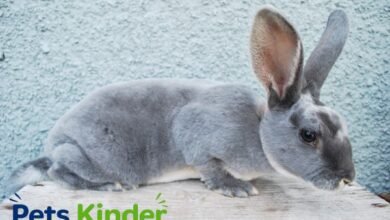
Domestic rabbits span an impressive range of sizes, coat types, ear shapes, and personalities. The Netherland Dwarf weighs barely 2 pounds; the Flemish Giant can tip the scales at 22 pounds. Ears range from tall and upright to the long, drooping ears of lop breeds. Coats come in short, plush, long, and woolly varieties. Beneath all that physical variation, however, certain traits apply universally.
Rabbits are prey animals, and this fundamentally shapes their behavior. They are acutely attuned to their environment, startle easily, and communicate almost entirely through body language rather than sound. A relaxed rabbit may thump its hind feet against the floor in alarm, binky (leap and twist mid-air) when joyful, or flatten itself low to the ground when frightened. Learning to read these signals transforms the relationship between owner and rabbit. Additionally, rabbits are crepuscular most active at dawn and dusk which means they’re often quieter during midday and more energetic in the early morning and evening hours.
Diet and Nutrition
The Hay-First Rule
Nutrition is where many well-meaning rabbit owners go wrong, often without realizing it. The single most important component of a rabbit’s diet is unlimited fresh grass hay Timothy hay, orchard grass, and meadow hay are all excellent options. Hay should constitute roughly 80 percent of everything a rabbit eats, and it should be available at all times without restriction. The long fiber strands in hay serve two essential purposes: they keep the digestive system moving at the correct pace, and they naturally grind down teeth that grow continuously throughout the rabbit’s life. Without adequate hay, both gut health and dental health deteriorate quickly.
Greens, Pellets, and Treats
Fresh leafy greens complement the diet nicely. Romaine lettuce, cilantro, flat-leaf parsley, basil, arugula, and dandelion greens all work well. A typical 5-to-6-pound rabbit benefits from approximately 2 cups of mixed greens daily, ideally in variety rather than the same greens every day. High-quality timothy-based pellets add nutritional insurance but should be offered in modest measured amounts roughly a quarter cup per 5 pounds of body weight rather than left out freely. Fresh fruit makes a fine treat but is high in sugar; a tablespoon or two a few times per week is plenty.
What Never Belongs in the Bowl
Iceberg lettuce, avocado, onions, garlic, rhubarb, and processed human foods are all off the table. Muesli-style mixed feeds the colorful blends with seeds, dried fruit, and puffed grains that appear in many pet stores look appealing but encourage selective eating and leave rabbits nutritionally deficient over time. Fresh, clean water must be available constantly, preferably in a wide ceramic bowl that allows natural lapping rather than a sipper bottle.
Health, Care, and Common Diseases
GI Stasis: The Emergency You Must Recognize
Gastrointestinal stasis commonly called GI stasis occurs when the normal muscular movement of the gut slows dramatically or stops entirely. It develops fast, sometimes within hours, and it can become fatal if not treated promptly. A rabbit experiencing GI stasis will stop eating, produce fewer or no droppings, sit hunched and still, and show no interest in food or movement. These signs demand immediate veterinary attention not watchful waiting. The good news is that a diet anchored in hay, combined with daily exercise and good hydration, significantly reduces the risk.
Dental Disease
Because rabbit teeth grow throughout their lives, they require constant wear to stay properly aligned. When diet lacks sufficient long-strand fiber, usually because pellets or soft foods dominate over hay teeth overgrow and develop misalignments or sharp spurs that cut into the tongue and inner cheeks. Dental disease causes chronic pain, reduces appetite, and eventually leads to weight loss and serious secondary health complications. It’s expensive to manage and progressive in nature, making prevention through proper diet far more valuable than any treatment.
Respiratory Illness and Parasites
Pasteurellosis frequently called “snuffles” is a bacterial respiratory infection caused by Pasteurella multocida. It presents with nasal discharge, sneezing, and wet, matted fur around the nose and forepaws. Snuffles can become a chronic condition that’s manageable but rarely fully eliminated. Ear mites cause intense irritation and visible crusting inside the ear canal, and they spread easily between animals sharing a space. Both conditions respond to veterinary treatment but require prompt attention to prevent complications.
Routine and Preventive Care
Daily care for a pet rabbit includes fresh hay, greens, water, and litter box cleaning. Rabbits also need at minimum two to four hours of free-roaming exercise outside their enclosure in a rabbit-proofed space, since they chew electrical cords, baseboards, and furniture with cheerful indifference. Regular grooming matters too: short-haired breeds benefit from weekly brushing, while long-haired breeds like Angoras need daily attention to prevent matting and wool block. Spaying or neutering is strongly recommended for health reasons, uterine cancer affects the majority of unspayed females by middle age and it also tends to improve temperament and litter box habits significantly.
Lifespan and Long-Term Considerations
How Long Do Rabbits Live?
Well-cared-for domestic rabbits commonly live between 8 and 12 years. Some reach 13 or even 14 with excellent nutrition, preventive healthcare, and low stress environments. This lifespan surprises many first-time owners who associate small animals with short lives. A rabbit purchased during a child’s elementary school years may still be an active, thriving family member when that child starts high school. That reality demands thoughtful, long-term commitment rather than impulse decision-making.
Wild rabbits and hares live considerably shorter lives typically one to two years for wild rabbits due to predation and disease, and three to five years for hares in favorable conditions. The safety of a domestic environment makes an enormous difference in longevity.
What Long-Term Ownership Actually Looks Like
Owning a rabbit for a decade means adjusting care as the animal ages. Young rabbits are energetic, curious, and sometimes destructive. Middle-aged rabbits often settle into calmer, affectionate routines. Senior rabbits generally those over 6 years may develop arthritis, dental problems, kidney issues, or other age-related conditions that require increased veterinary monitoring and dietary adjustments. Throughout all of these stages, rabbits thrive best with a consistent routine, a calm environment, and ideally a bonded rabbit companion, since these are genuinely social animals that do not flourish in isolation.
The Takeaway
The bunny vs rabbit debate is largely semantic but it carries real meaning for how people approach these animals as pets. And the bunny vs rabbit vs hare comparison reveals a biological story that most people simply never encounter. Rabbits and hares are relatives, not twins. They look similar on the surface, but they are adapted for entirely different lives. Understanding those differences and understanding what your domestic rabbit actually is, beneath the cute nickname makes you a better, more informed caretaker. These animals deserve nothing less than that.