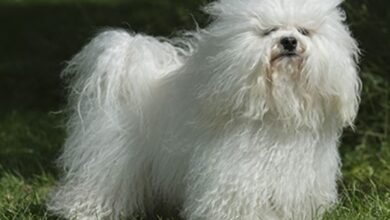
There’s something almost universally disarming about a cute dog. It doesn’t matter if you’re a lifelong dog person or someone who’s never owned a pet a fluffy face, soft eyes, and a wagging tail have a way of stopping people mid-stride. But cuteness, as charming as it is, barely scratches the surface of what makes certain dogs truly special. Behind every irresistible face is a living creature with distinct needs, a specific temperament, and a lifespan that could stretch across 15 or more years of your life.
This guide goes beyond the “aww” factor. Whether you’re drawn to small cute dogs you can carry in a tote bag or larger, fluffier breeds that look like living teddy bears, understanding what each cute dogs breed actually requires in terms of diet, health care, grooming, and daily commitment is what separates a great match from a regrettable impulse decision. Let’s get into it.
What Makes a Dog “Cute”? More Than Just Looks
The Science Behind Our Obsession
Researchers have actually studied why humans find certain dogs irresistibly cute, and the answer ties back to something called “baby schema” a set of physical features that trigger nurturing instincts in humans. Large eyes relative to the face, a rounded head, a small nose, and chubby proportions all activate this response. It’s why puppies of nearly any breed send people into emotional overdrive, and why certain adult dogs particularly those with permanently puppy-like features hold that power throughout their lives.
Breeds like the Cavalier King Charles Spaniel, the Shih Tzu, and the Pomeranian consistently rank among the most popular cute dogs precisely because they retain those baby-like facial features into adulthood. Understanding this helps explain why certain breeds dominate social media, dog shows, and shelter adoption boards simultaneously. Cute is powerful but it’s just the beginning of the conversation.
Top Cute Dog Breeds That Earn Their Reputation
Small Cute Dogs With Big Personalities
Cavalier King Charles Spaniel
Few dogs combine elegance and approachability the way the Cavalier King Charles Spaniel does. With its silky, feathered coat, large round eyes, and gentle expression, this breed regularly tops lists of the most adorable small cute dogs in the world. Beyond the looks, Cavaliers are deeply affectionate, adaptable, and genuinely people-oriented. They thrive in apartments as readily as in houses, which makes them an excellent choice for city dwellers. They do, however, require regular grooming to keep that signature coat tangle-free and lustrous.
Pomeranian
The Pomeranian is essentially a tiny fox wrapped in a cloud of fur and it knows it. These small cute dogs are bold, curious, and surprisingly confident for their size, which typically falls between three and seven pounds. Their double coat requires consistent brushing to prevent matting, and they shed more than their compact size might suggest. Pomeranians are alert, vocal, and form incredibly strong bonds with their owners. They can be prone to separation anxiety if left alone for extended periods, so they work best in homes where someone is frequently present.
Shih Tzu
Originally bred as a companion for Chinese royalty, the Shih Tzu has been perfecting the art of being adorable for centuries. That long, flowing coat and flat, sweet face make it one of the most recognizable cute dogs breeds in the world. Shih Tzus are calm, friendly, and surprisingly sturdy for their size. They adapt well to various living situations and generally get along beautifully with children and other pets. Their coat, however, demands serious commitment daily brushing or a shorter “puppy cut” maintained by regular grooming appointments.
French Bulldog
The French Bulldog doesn’t fit the traditional fluffy-cute mold, but something about those enormous bat ears, a smooshed nose, and a compact muscular body makes them deeply endearing. Frenchies are playful, low-energy enough for apartment life, and intensely loyal to their families. They’ve become one of the most popular cute dogs breeds in the United States over the past decade though prospective owners should be aware that their brachycephalic (flat-faced) anatomy brings real health considerations that require careful management.
Medium and Larger Cute Dogs That Deserve Attention
Golden Retriever
No list of cute dogs would be complete without the Golden Retriever the dog that invented the phrase “man’s best friend” in popular culture. Goldens are warm, patient, playful, and endlessly enthusiastic about life. Their lush golden coat, expressive eyes, and perpetual enthusiasm make them universally appealing. They’re also one of the most versatile working dogs in history, excelling as therapy dogs, guide dogs, and search-and-rescue animals. The catch? They need significant daily exercise and extensive grooming, and they shed a lot.
Corgi
The Pembroke Welsh Corgi has experienced a cultural moment that shows no signs of slowing. With their low-slung body, oversized ears, and hilariously expressive face, Corgis strike a very specific chord with dog lovers across all demographics. They’re herding dogs at heart, which means they’re intelligent, energetic, and occasionally stubborn. A Corgi without adequate mental and physical stimulation will find its own entertainment usually at your furniture’s expense. Give them a job to do, and they’ll reward you with years of joyful, devoted companionship.
Diet and Nutrition for Cute Dog Breeds
Feeding Small Cute Dogs
Small cute dogs have some of the most specific nutritional requirements in the canine world. Their faster metabolisms mean they burn energy more quickly than larger breeds, making caloric density an important consideration. At the same time, small breeds are highly prone to obesity a condition that accelerates joint problems, diabetes, and heart disease. Feeding measured portions of a high-quality, small-breed-formulated food twice daily is the most reliable approach.
Protein should come from a named, whole-meat source chicken, beef, salmon, or turkey listed as the first ingredient. Avoid foods where corn syrup, artificial preservatives, or vague “meat meal” ingredients dominate the label. Fresh water should always be available. For brachycephalic breeds like French Bulldogs and Shih Tzus, slow-feeder bowls can prevent gulping, which reduces gas and digestive discomfort two issues these breeds experience more than others.
Nutritional Needs Across Cute Dogs Breeds
Larger cute dogs breeds like Golden Retrievers need diets formulated to support joint health, particularly as they age. Glucosamine and omega-3 fatty acids found naturally in fish oil and flaxseed support cartilage integrity and reduce inflammation. Corgis, being prone to weight gain despite their herding instincts, need carefully portioned diets and should never be free-fed. Across all breeds, annual veterinary nutritional assessments help catch deficiencies before they become health problems.
Health, Care, and Common Issues
Health Concerns in Popular Cute Dog Breeds
Brachycephalic Obstructive Airway Syndrome (BOAS)
French Bulldogs, Shih Tzus, and Cavaliers all carry varying degrees of brachycephalic anatomy compressed skulls that shorten the airway and make breathing more difficult. In mild cases, this causes snoring and reduced exercise tolerance. In severe cases, it requires surgical intervention to open the airways and restore normal function. Prospective owners of these cute dogs breeds must understand this reality before committing. Reputable breeders actively screen for airway severity and breed for improved respiratory function.
Heart Disease in Cavaliers
The Cavalier King Charles Spaniel carries one of the highest rates of mitral valve disease of any dog breed. Most Cavaliers develop some degree of heart disease by middle age, and many require cardiac medication in their later years. This doesn’t make them a poor choice it makes them a choice that requires a committed owner who budgets for regular cardiac screenings and veterinary care. Knowing this going in allows you to plan appropriately rather than be blindsided.
Joint and Spinal Issues in Corgis
Corgis’ long backs and short legs create a predisposition to intervertebral disc disease (IVDD), a spinal condition that can cause pain, weakness, or in severe cases, paralysis. Keeping Corgis at a healthy weight, discouraging repetitive jumping from heights, and providing ramps or steps to furniture significantly reduces this risk. Regular veterinary check-ups that include spinal assessments help catch early changes before they progress.
Routine Care That Makes the Difference
Every cute dogs breed benefits from a consistent care routine. Dental disease affects the vast majority of small dogs by age three daily tooth brushing or at minimum dental chews and professional cleanings keep periodontal disease from silently damaging internal organs. Ear cleaning matters particularly for floppy-eared breeds like Cavaliers and Goldens, where moisture becomes trapped and creates an environment for chronic infections. Regular nail trims, coat grooming appropriate to the breed, and flea and tick prevention round out the basics that keep a dog comfortable year-round.
Lifespan and Long-Term Considerations
How Long Do Cute Dogs Live?
Lifespan varies considerably across cute dogs breeds. Small cute dogs tend to outlive their larger counterparts by a significant margin. Pomeranians, Shih Tzus, and Cavaliers typically live between 12 and 16 years. French Bulldogs, despite their popularity, often live only 10 to 12 years and their quality of life in those years depends heavily on the health decisions made during their earlier ones. Larger breeds like Golden Retrievers average 10 to 12 years as well, with health screening and responsible breeding playing enormous roles in individual outcomes.
Planning for a Long and Happy Life Together
Bringing home a cute dog is, at its core, a long-term relationship. The first year involves the largest investment of time training, socialization, veterinary visits, and establishing routines. After that, consistent preventive care, appropriate nutrition, and regular exercise become the pillars of a long, healthy life. Senior dogs, regardless of breed, benefit from more frequent veterinary visits, adjusted diets, joint support, and thoughtful accommodations as their mobility changes.
The dogs that live the longest, healthiest lives aren’t necessarily the ones born with the best genetics though that matters. They’re the ones whose owners showed up consistently, paid attention to the small signals, and treated preventive care as an investment rather than an inconvenience. That, more than anything else, is what gives a cute dog the life it deserves.
The Bottom Line
Cute dogs earn their reputation every single day through their loyalty, their expressiveness, their capacity to turn even the worst afternoon into something manageable. But every adorable face comes attached to real needs, real health risks, and a real lifespan that deserves your full attention. Whether you’re falling for the compact charm of small cute dogs or the soulful eyes of a Golden Retriever, the best cute dogs breed for you is the one you’re genuinely prepared to care for every year of its life, not just the puppy ones.