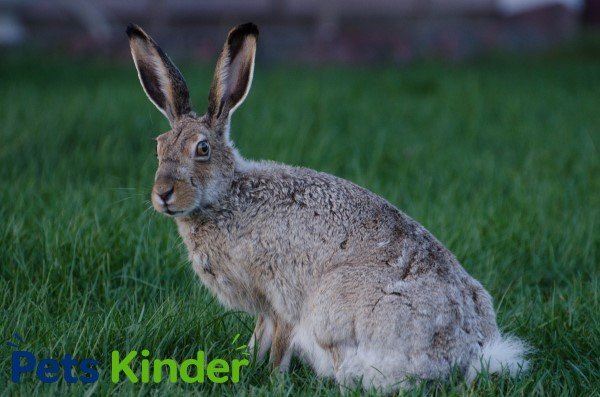
If you’ve ever spotted a blur of brown fur darting across an open field with impossibly long ears standing straight up, chances are you just had a close encounter with a jack rabbit. These remarkable animals are far more fascinating than most people realize. From their lightning-fast speed to their surprisingly complex diet and resilient lifespan, jack rabbits are a subject worth diving into deeply. Whether you’re a wildlife enthusiast, a curious nature lover, or simply wondering what that streak of movement was in your backyard, this guide covers everything you need to know.
What Exactly Is a Jack Rabbit? Understanding the Breed
Despite the name, jack rabbits are not actually rabbits in the traditional sense. They belong to the hare family, which makes them a distinct breed of lagomorph from the common domestic or cottontail rabbit. Hares are generally larger, faster, and more independent than their rabbit cousins, and jack rabbits are no exception to that rule. In fact, the term “jack rabbit” was reportedly shortened from “jackass rabbit,” a name early settlers gave them because of their enormous, donkey-like ears.
The Different Species of Jack Rabbit
There are several species of jack rabbit, each adapted to its specific environment. The most well-known include:
Black-Tailed Jack Rabbit (Lepus californicus)
This is the most commonly spotted species across the western and central United States. It thrives in open deserts, scrublands, and agricultural areas. Its black-tipped tail and the black stripe running down its back make it easy to identify in the wild.
White-Tailed Jack Rabbit (Lepus townsendii)
Found mostly in the northern plains and mountainous regions, this species is known for its seasonal color change. During winter, its coat turns white or pale gray, offering excellent camouflage against snow. This adaptation is a brilliant example of nature’s design working in perfect harmony with environment.
White-Sided Jack Rabbit (Lepus callotis)
This is a rarer species found in parts of New Mexico and Mexico. It’s less studied than its cousins but shares the same characteristic oversized ears and powerful hind legs.
Key Physical Characteristics
Jack rabbits are built for survival in open, exposed terrain. Their long ears serve a dual purpose they pick up sounds from predators at great distances and also act as a natural cooling system, regulating body temperature by releasing heat through blood vessels near the surface. They can reach speeds of up to 40 miles per hour and leap as far as 20 feet in a single bound. These aren’t just fun facts; these traits are the difference between life and death in the wild.
Jack Rabbit Colors: A Coat Designed by Nature
When it comes to colors, jack rabbits typically sport earthy tones that help them blend seamlessly into their surroundings. Most species display a mix of brown, tan, buff, and gray across their backs and sides, while their undersides tend to be white or pale cream. The black-tailed jack rabbit, as its name suggests, has a distinctive black coloring on the top of its tail and along its spine.
The white-tailed jack rabbit takes seasonal camouflage to a whole new level. Come winter, this species gradually molts into a coat of white or pale silver, making it nearly invisible against a snowy landscape. This color-shifting ability is one of the more extraordinary traits in the entire jack rabbit breed category. Meanwhile, the ears of most jack rabbits feature black tips, which researchers believe may play a role in species recognition and possibly temperature regulation. Every aspect of their coloring has a purpose, and that’s what makes these animals so beautifully engineered for survival.
What Do Jack Rabbits Eat? Diet and Nutrition
Jack rabbits are strict herbivores, and their diet reflects the landscapes they call home. They are not picky eaters, but they are smart ones. Their food choices shift with the seasons, making them highly adaptable foragers.
Seasonal and Varied Food Choices
During spring and summer, jack rabbits favor green, moisture-rich vegetation. Grasses, clover, alfalfa, and wildflowers make up a large portion of their food intake during these warmer months. This moisture-heavy food helps them stay hydrated in hot, arid environments where standing water is scarce.
As fall approaches and green vegetation dries out, jack rabbits shift their diet toward dried grasses, bark, twigs, shrubs, and cacti. The black-tailed jack rabbit, in particular, has developed a strong tolerance for desert plants like sagebrush and prickly pear cactus plants that most animals would avoid entirely. This dietary flexibility is one of the reasons jack rabbits manage to thrive in some of the harshest environments in North America.
It’s also worth noting that jack rabbits practice a behavior called cecotrophy they re-ingest certain droppings directly from their body to absorb additional nutrients. While this sounds unusual, it’s actually a highly efficient nutritional strategy common among lagomorphs, and it allows them to extract maximum value from the food they consume.
Jack Rabbit Lifespan: How Long Do They Actually Live?
In the wild, the average jack rabbit lifespan is between one and five years. That might sound short, but considering the number of predators they face daily including coyotes, foxes, hawks, eagles, owls, and even snakes — surviving even a year takes considerable skill and luck. Predation is the number one cause of death for jack rabbits, which is precisely why their speed, hearing, and camouflage have evolved to such extreme levels.
In captivity or in areas with fewer natural predators, jack rabbits can live longer, sometimes reaching six to eight years. However, jack rabbits are wild animals and do not adapt well to domestic life. They are not suitable pets, and attempting to keep one is not only stressful for the animal but is also illegal in many states without special permits.
Health, Care, and Common Issues
Jack rabbits in the wild are generally hardy animals, but they do face a number of health threats. One of the most serious is Rabbit Hemorrhagic Disease Virus (RHDV2), a highly contagious and often fatal virus that has been spreading across North America in recent years. It affects wild hares and rabbits alike, and there is currently no widely available treatment for wild populations.
Tularemia, sometimes called “rabbit fever,” is another disease that affects jack rabbits. It’s caused by the bacterium Francisella tularensis and can, in rare cases, be transmitted to humans through contact with infected animals. People who handle wild jack rabbits or their remains should always use gloves and exercise caution.
Parasites including ticks, fleas, and internal worms are also common in wild populations. These parasites not only affect the health of individual animals but can also serve as vectors for other diseases. Botfly larvae, which burrow under the skin, are another uncomfortable but relatively common issue seen in jack rabbits during warmer months.
From a conservation and wildlife care perspective, the best thing humans can do is leave jack rabbits alone and protect their natural habitat. Preserving open grasslands, reducing pesticide use, and minimizing urban sprawl all contribute to healthier jack rabbit populations.
Why Jack Rabbits Matter More Than You Think
Jack rabbits play a surprisingly important role in their ecosystems. As prey animals, they form a critical link in the food chain, supporting populations of hawks, owls, coyotes, and other predators. Their grazing habits also influence vegetation patterns, which in turn affects soil health and biodiversity. Removing jack rabbits from an ecosystem or letting their populations collapse can trigger a cascade of consequences that ripple through the entire food web.
Additionally, jack rabbits serve as important indicators of ecosystem health. When their numbers drop sharply, it often signals broader environmental problems like drought, habitat loss, or disease pressure. Scientists and wildlife managers frequently monitor jack rabbit populations as a barometer for the overall condition of the landscapes they inhabit.
Final Thoughts
The jack rabbit is so much more than a fast-running desert creature. It’s a meticulously adapted animal with a fascinating breed history, a color palette designed for survival, a flexible and resourceful diet rooted in its food environment, and a lifespan shaped by the constant pressures of the wild. Understanding these animals better helps us appreciate the intricate balance of nature and reminds us how much there is still to learn from the creatures that share our world.