The Rex Standard Rabbit: A Velvet-Coated Companion That Outshines Every Expectation

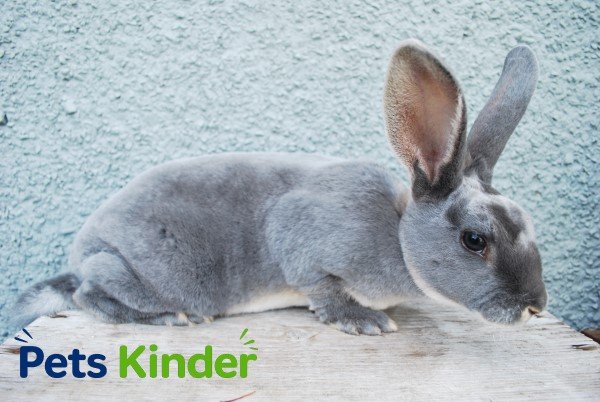
Walk into any rabbit show or reputable breeder’s rabbitry and you’ll quickly notice which animal draws the most hands reaching forward for a touch. It’s almost always the Rex. That coat dense, plush, and impossibly soft, like stroking a swatch of the finest velvet you’ve ever felt stops people cold. But the Rex standard rabbit is far more than a pretty pelt. It’s an intelligent, personable, and genuinely rewarding companion animal with specific care needs that, once understood, make ownership both manageable and deeply satisfying.
What Is the Rex Standard Rabbit?
The Rex standard rabbit is a recognized domestic breed distinguished primarily by a natural genetic mutation that causes the guard hairs to be shortened to the same length as the undercoat. The result is that signature velvety texture uniform, dense, and standing upright rather than lying flat the way most rabbit fur does. The American Rabbit Breeders Association (ARBA) officially recognizes the Rex as a breed, and the “standard” in its name refers specifically to the full-sized version, as opposed to the Mini Rex, which is a separate, smaller breed developed later.
A Brief History Worth Knowing
The Rex rabbit first appeared in France in the early 1900s, the result of a spontaneous genetic mutation discovered in a litter of wild gray rabbits. French breeders recognized the commercial and aesthetic potential immediately and began selectively breeding for the trait. By 1924, the Rex made its international debut at the Paris International Rabbit Show, where it caused a sensation. The breed arrived in the United States shortly after and has maintained a loyal following ever since among show breeders, fur enthusiasts, and pet owners alike.
Key Features and Physical Characteristics
The Rex standard rabbit is a medium to large breed, typically weighing between 7.5 and 10.5 pounds at maturity, with does (females) generally running slightly larger than bucks (males). The body is well-rounded and commercial in type broad across the hindquarters, with a full, deep chest and a relatively short, fine-boned head compared to the body’s overall mass.
The Coat: The Defining Feature
No conversation about the Rex standard rabbit goes very far before returning to the coat. The fur measures approximately half an inch in length across the entire body guard hairs and undercoat alike creating that distinctive plush uniformity. The coat comes in a remarkable range of colors and patterns, with ARBA recognizing sixteen varieties including Castor, Chinchilla, Black, Blue, Broken, Californian, Chocolate, Lilac, Lynx, Opal, Otter, Red, Sable, Seal, White, and Amber. Each variety meets specific color standards in the show ring, but for pet owners, the variety simply means there’s a Rex in virtually every color preference imaginable.
Temperament and Personality
Beyond the coat, the Rex standard rabbit earns its reputation through personality. These rabbits tend to be calm, curious, and genuinely interactive. They’re often described as being more “dog-like” than many other rabbit breeds they approach their owners, respond to their names with time, and enjoy supervised exploration outside their enclosure. They’re also notably good with children when interactions are respectful and gentle, making them one of the more family-friendly rabbit breeds available. That said, like all rabbits, they dislike being held against their will and communicate discomfort clearly with thumping and struggling.
Diet and Nutrition for the Rex Standard Rabbit
Feeding a Rex standard rabbit correctly is one of the most important investments you can make in its long-term health. Their digestive systems are sensitive, and poor nutrition shows up quickly in weight loss, soft cecotropes, dental problems, and GI stasis, one of the most dangerous conditions a rabbit can develop.
The Foundation: Unlimited Grass Hay
Grass hay specifically timothy, orchard grass, or meadow hay must make up roughly 80% of a Rex rabbit’s daily diet. Hay isn’t optional. It provides the long-strand fiber that keeps the gut motility moving, wears down continuously growing teeth, and prevents the dangerous slowdowns that lead to GI stasis. A Rex rabbit should have access to fresh hay at all times, in quantities larger than its own body size each day.
Fresh Vegetables and Leafy Greens
Fresh leafy greens make up the second pillar of good Rex nutrition. Romaine lettuce, cilantro, parsley, kale (in moderation), arugula, and fresh herbs like basil and dill are all excellent choices. Introduce new vegetables slowly, one at a time, to avoid digestive upset. Avoid iceberg lettuce it’s mostly water with little nutritional value and can cause loose stools. Fruit should be treated as an occasional treat only, given the high sugar content.
Pellets: Quality Over Quantity
High-quality, timothy-based pellets can supplement the diet, but they should be measured carefully roughly a quarter cup per five pounds of body weight per day for adult rabbits. Overfeeding pellets leads to obesity and reduces hay consumption, which disrupts the digestive balance the whole diet depends on.
Health and Care of the Rex Standard Rabbit
The Rex standard rabbit is generally a hardy breed, but it requires consistent, attentive care to thrive over the long term. Fortunately, most of what it needs is straightforward once you establish good habits.
Housing Requirements
Rex rabbits need more space than many first-time owners anticipate. The minimum enclosure for a full-grown Rex should allow the rabbit to take at least three full hops in any direction and stand fully upright on its hind legs. Many experienced owners opt for large exercise pens or bunny-proofed free-roam spaces rather than traditional wire cages. Solid flooring is important wire-bottomed cages damage the hock (the rear leg joint), and Rex rabbits are particularly prone to sore hocks because their coat is thinner on the foot pads than many other breeds.
Grooming Needs
Despite the luxurious appearance of the Rex coat, grooming is surprisingly minimal compared to long-haired breeds. A gentle weekly brushing with a soft slicker brush removes loose fur and keeps the coat in excellent condition. During molting periods which typically occur two to three times per year more frequent brushing prevents the rabbit from ingesting too much fur during self-grooming. Unlike cats, rabbits cannot vomit, so ingested fur must pass through the digestive tract entirely. Consistent brushing during molt season significantly reduces the risk of fur blockages.
Dental and Nail Care
Rabbit teeth grow continuously throughout their lives, and the Rex standard rabbit is no exception. Sufficient hay consumption naturally wears the teeth down, but veterinary dental checks every six to twelve months help catch malocclusion (misaligned teeth) before it becomes a crisis. Nails also require trimming every four to six weeks. Overgrown nails catch on surfaces, cause postural problems, and can break painfully.
Common Health Issues and Diseases
Understanding the health challenges that Rex standard rabbits face allows owners to catch problems early, when treatment is most effective and least costly.
GI Stasis
Gastrointestinal stasis a slowdown or complete stop of gut movement is the most urgent and common health crisis in domestic rabbits. It develops rapidly and can become life-threatening within 24 to 48 hours. Signs include a reduction or complete stop in droppings, loss of appetite, hunched posture, and a visibly bloated or hard abdomen. GI stasis requires immediate veterinary attention. Prevention centers on unlimited hay, regular exercise, and minimizing stress.
Sore Hocks (Ulcerative Pododermatitis)
As mentioned, Rex rabbits are more vulnerable to sore hocks than most breeds due to thinner fur on their foot pads. The condition starts as redness and progresses to open sores that can become seriously infected. Soft, solid flooring, clean living conditions, and a healthy body weight all reduce the risk substantially. Once sores develop, veterinary treatment is necessary.
Ear Mites and Parasites
Ear mites cause intense discomfort and head-shaking in affected rabbits. A veterinarian can diagnose and treat the infestation quickly, but it requires prompt attention because mites spread easily among rabbits living together. Internal parasites, including Encephalitozoon cuniculi (E. cuniculi), can affect Rex rabbits and cause neurological symptoms including head tilt and balance loss. Annual veterinary checkups help catch parasite-related issues before they escalate.
Respiratory Infections
Snuffles a bacterial respiratory infection most commonly caused by Pasteurella multocida presents as nasal discharge, sneezing, and wet fur on the front paws from wiping the nose. It’s manageable with antibiotics but tends to recur under stress. Keeping the rabbit’s environment clean, well-ventilated, and stress-free significantly reduces the frequency of flare-ups.
Lifespan and Long-Term Considerations
A well-cared-for Rex standard rabbit typically lives between 5 and 8 years, with some individuals reaching 10 years or beyond under exceptional care. The early years require the most intensive setup appropriate housing, diet calibration, and finding an experienced rabbit-savvy veterinarian, which is more important than many new owners realize since not all small animal vets have strong rabbit expertise.
As Rex rabbits age, they may slow down, lose muscle mass, and develop arthritis, particularly in the hind legs. Senior rabbits benefit from lower enclosures with easier entry, softer bedding, and slightly adjusted diets reviewed by a vet. The bond that builds over years with a Rex standard rabbit is genuinely remarkable these are animals with distinct personalities, preferences, and moods. For owners willing to meet their needs thoughtfully, the Rex standard rabbit offers a companionship that’s quieter than a dog but no less real.