Baby Ferrets: Everything You Need to Know Before Bringing One Home

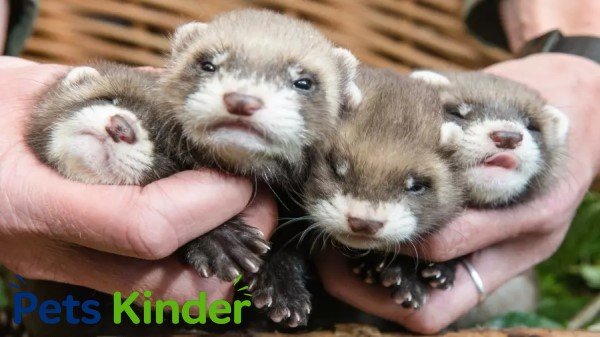
If you’ve ever locked eyes with a tiny, wriggling baby ferret, you already know the feeling it’s basically impossible not to fall in love on the spot. But those big dark eyes and playful tumbles are just the beginning. Baby ferrets, also called kits, are lively, mischievous little animals that grow into surprisingly complex and affectionate companions. Before you start searching for ferrets for sale near you, it helps to know exactly what you’re getting into the good, the challenging, and everything in between.
What Exactly Are Baby Ferrets?
Baby ferrets, or kits, are the offspring of domesticated ferrets (Mustela putorius furo). They’re born blind, hairless, and completely dependent on their mother for the first few weeks of life. By around three weeks, their eyes open, and the chaos begins. Kits are notoriously energetic, curious, and nippy they explore the world with their mouths, which is something new owners need to prepare for. Most kits are ready to go to new homes at around eight to twelve weeks old, once they’ve been weaned and handled enough to be socialized.
Key Characteristics of Baby Ferrets
Baby ferrets are part of the Mustelidae family, which also includes weasels, otters, and minks. Even at a young age, they show some very distinctive traits that set them apart from other small pets. They’re crepuscular, meaning they’re most active at dawn and dusk, though they’ll often sync their schedule with their owner’s routine over time. Kits tend to sleep deeply up to 18 hours a day and then wake up ready to tear the house apart. Their playful behavior, which includes the famous “weasel war dance” (a series of frenzied hops and twists), is pure joy to watch and signals that your kit is happy and excited.
Are Ferrets Good Pets?
This is one of the most common questions people ask before committing to ownership. The honest answer is: yes, but not for everyone. Ferrets are social, intelligent, and genuinely entertaining animals. They bond deeply with their owners and can even learn their names and respond to commands. However, they demand a lot of attention, time outside their cage, and mental stimulation. If you’re away from home for long stretches every day, a single ferret may become bored and depressed. They also require ferret-proofing your home since they squeeze into impossibly small spaces and chew things they shouldn’t. For the right owner someone patient, attentive, and a little adventurous ferrets make incredibly rewarding pets.
Diet and Nutrition for Baby Ferrets
What Do Ferrets Eat?
Ferrets are obligate carnivores, which means their bodies are designed to run entirely on animal protein and fat. Unlike cats or dogs, they have virtually no ability to digest plant material, so fruits, vegetables, and grains are not just unnecessary they can actually cause digestive problems. Baby ferrets in particular need a high-protein diet to support their rapid growth. The best options include raw or cooked meat (chicken, turkey, lamb), high-quality kibble formulated specifically for ferrets, or whole prey if you follow a raw diet approach.
Feeding Guidelines for Kits
Kits have tiny stomachs but sky-high metabolisms. They need to eat frequently ideally every three to four hours so free-feeding (leaving food available at all times) is the most practical approach during their first year. Fresh water must always be accessible, preferably in a bottle and a bowl to ensure they always drink enough. Avoid ferret food that lists corn, peas, or fruit as primary ingredients; those are red flags. Once your kit transitions to adulthood (around one year old), you can adjust portions, but the carnivore-only rule never changes.
Health, Care, and Common Issues
Daily Care for Baby Ferrets
Caring for a baby ferret requires more active involvement than most new owners expect. Kits need at least four hours of supervised playtime outside their cage each day. Their enclosure should be spacious, multi-leveled, and lined with soft bedding hammocks are a particular favorite. Litter training is surprisingly achievable with ferrets, though kits take a bit longer to grasp the concept than adults do. Consistent, gentle reinforcement works best. Biting is common in young ferrets and needs to be addressed early through firm but patient redirection, not punishment.
Common Health Issues in Ferrets
Ferrets are prone to a handful of specific health conditions that every owner should know about. Adrenal gland disease is the most common, typically developing in ferrets over the age of three, and causes hair loss, lethargy, and hormonal imbalances. Insulinoma, a tumor of the pancreatic cells that produces excess insulin, leads to low blood sugar and is also seen frequently in older ferrets. Distemper is a serious, often fatal viral disease vaccination is non-negotiable from a young age. Ear mites and fleas are also common external parasites that are easy to treat if caught early.
Vaccinations and Vet Care
Baby ferrets need to be vaccinated against distemper and rabies, typically starting at around eight weeks of age. Finding a vet who is experienced with exotic small animals is important, as not all veterinarians are comfortable treating ferrets. Annual wellness exams become especially critical as your ferret ages, since many of the most common ferret diseases develop gradually and are easiest to manage when detected early.
Lifespan and Long-Term Considerations
How Long Do Ferrets Live?
On average, ferrets live between six and ten years, though some reach twelve years with exceptional care. Baby ferrets you bring home today will likely be with you for nearly a decade, so this is genuinely a long-term commitment. During their senior years (roughly four and older), ferrets slow down considerably and may develop one or more chronic conditions that require medication, dietary adjustments, or regular veterinary monitoring. Planning for those costs and changes early makes the experience much smoother.
The Financial Reality of Ferret Ownership
A fair question anyone should ask before buying is: how much are ferrets, really? The upfront cost of purchasing a kit from a reputable breeder or pet store typically ranges from $100 to $300 or more, depending on your location and the source. However, that’s just the beginning. A proper cage, bedding, food, toys, litter, and initial vet visit including vaccinations can add several hundred dollars in the first few months alone. Ongoing annual costs, including food, supplies, and routine vet care, generally run between $500 and $1,000 per year for a healthy animal. Emergency vet visits or specialist care for conditions like insulinoma or adrenal disease can easily climb into the thousands.
Finding Baby Ferrets for Sale
Where to Look
If you’ve decided a ferret is right for you, the next step is finding one from a responsible source. Searching for ferrets for sale online will pull up everything from large pet store chains to small private breeders and rescue organizations. Pet stores often source their ferrets from large commercial breeders, where animals may have had limited socialization. Private breeders who raise kits in a home environment tend to produce better-socialized animals, though you’ll want to ask plenty of questions about health history, vaccinations, and the parents’ temperament.
Consider Adoption First
Ferret rescues are often overlooked but absolutely worth exploring. Many healthy, young ferrets end up in shelters because their first owners underestimated the commitment involved. Adopting gives you the chance to know your animal’s personality upfront, and you’ll often pay significantly less than you would for a kit from a breeder or store. Plus, you’re giving an animal a second chance which is never a bad thing.
Final Thoughts
Baby ferrets are extraordinary little animals mischievous, loving, and endlessly entertaining. They’re also a serious responsibility that demands time, money, and genuine dedication over many years. Understanding what they eat, how long they live, how to keep them healthy, and what they truly cost puts you in the best position to give one a great life. If you go into ferret ownership with open eyes, the reward is a companion unlike anything else.