Small Dog, Big Heart: The Complete Guide to the Yorkie Poodle and Why Everyone’s Falling in Love With This Breed

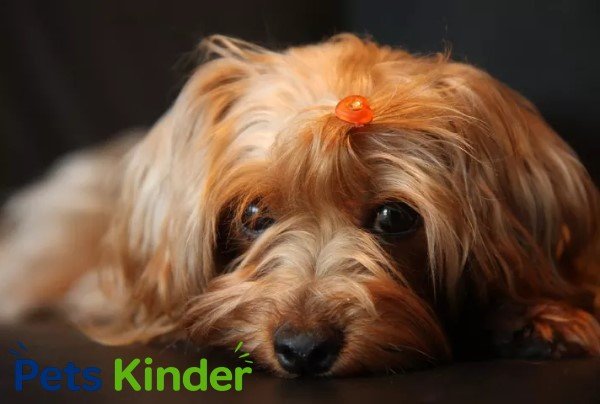
If you’ve ever walked past a tiny, fluffy dog with the confidence of a creature three times its size and immediately thought, “I need one of those,” there’s a decent chance you were looking at a Yorkie Poodle. Also affectionately called the Yorkipoo, this designer hybrid brings together two of the most beloved small breeds in the world the Yorkshire Terrier and the Poodle and the result is genuinely hard to resist. Smart, spirited, low-shedding, and deeply loyal, the Yorkie Poodle has earned a devoted following among apartment dwellers, families with older kids, and seniors looking for a lively but manageable companion. This guide breaks down everything you need to know before bringing one home.
What Exactly Is a Yorkie Poodle?
Origins of the Hybrid
The Yorkie Poodle mix emerged as part of the designer dog movement that gained real momentum in the 1990s and early 2000s. Breeders were intentionally crossing purebred dogs to capture the best traits of both parent breeds in this case, the Yorkshire Terrier’s bold, affectionate personality and the Poodle’s renowned intelligence and low-shedding coat. Most Yorkipoos come from a Toy Poodle or Miniature Poodle parent rather than a Standard Poodle, which keeps their size firmly in the small-to-tiny range. While they aren’t recognized as an official breed by major kennel clubs, their popularity has grown steadily, and responsible breeders have put genuine effort into developing consistent, healthy lines.
Size and Physical Appearance
One of the most charming things about the Yorkie Poodle is how much variation you can get even within the same litter. Most adults weigh between 3 and 14 pounds and stand roughly 7 to 15 inches tall, depending on whether the Poodle parent was a Toy or Miniature. Their coats range from silky and straight (leaning toward the Yorkie side) to wavy or curly (leaning toward the Poodle side), and they come in a wide array of colors black, silver, cream, apricot, chocolate, parti-colored, or various combinations thereof. Their eyes are typically dark, round, and expressive, giving them a perpetually alert, interested look that makes it very difficult to say no to them.
Personality and Key Characteristics
A Personality That Punches Way Above Its Weight
Don’t let the small size fool you. The Yorkie Poodle carries an enormous amount of personality in a surprisingly compact package. They’re affectionate and bond deeply with their primary people, often following their owners from room to room with quiet devotion. At the same time, they inherited the Yorkshire Terrier’s feisty independence and the Poodle’s sharp intelligence, which means they can be both entertaining and occasionally stubborn. They tend to be playful, curious, and surprisingly energetic for their size short bursts of enthusiastic play followed by long, contented naps on your lap is basically their default operating mode.
Temperament With Kids, Strangers, and Other Pets
Generally speaking, the Yorkie Poodle mix does well with respectful older children and tends to warm up to strangers without too much drama once they feel comfortable. However, because of their small size, they’re not always the best match for very young children who haven’t yet learned gentle handling a tumble or rough play can injure them. With proper socialization from puppyhood, they coexist reasonably well with other dogs and even cats. Early exposure to different people, sounds, and situations makes a significant difference in how well-rounded and confident an adult Yorkipoo becomes.
Intelligence and Trainability
Thanks to the Poodle influence, the Yorkie Poodle is genuinely one of the more trainable small dogs out there. They pick up commands quickly and respond enthusiastically to positive reinforcement treats, praise, and play work far better than harsh corrections, which tend to shut them down or make them anxious. Their intelligence is a double-edged sword, though. A bored Yorkipoo will find ways to entertain itself, and those ways don’t always align with your preferences for intact furniture and quiet mornings. Mental stimulation through puzzle toys, training sessions, and interactive play is just as important as physical exercise.
Yorkie Poodle Puppies: What to Expect Early On
Finding a Responsible Source
Yorkie Poodle puppies are genuinely adorable tiny, fluffy, and wide-eyed in a way that makes it nearly impossible to think clearly which unfortunately makes them a target for irresponsible breeding. Puppy mills and low-quality breeders often produce Yorkipoo puppies with serious health problems, poor temperaments, and undisclosed genetic issues. Always look for breeders who health-test their parent dogs, welcome questions, and allow you to see where and how the puppies are raised. Reputable rescue organizations also occasionally have Yorkipoo puppies or young adults available for adoption, which is always worth exploring.
Early Development and Socialization
The first few months with Yorkie Poodle puppies are critical for shaping who they’ll become as adults. The socialization window roughly 3 to 14 weeks is the period when puppies are most open to new experiences, and what they encounter (or miss) during this time tends to stick. Expose your puppy to different surfaces, sounds, people of various ages, and gentle handling. Start basic training early even 8-week-old Yorkipoo puppies can begin learning “sit” and “come” with short, fun sessions. Housetraining requires patience; small dogs have small bladders, and consistency is everything.
Diet and Nutrition
Fueling a Small but Energetic Dog
The Yorkie Poodle has a fast metabolism relative to its size, which means it needs a diet that’s calorie-dense, high in quality protein, and appropriate for small breeds. Look for dog foods that list a named animal protein chicken, turkey, salmon, or lamb as the first ingredient. Small breed formulas are specifically designed with smaller kibble sizes and adjusted nutrient ratios that suit dogs like the Yorkipoo. Wet food can supplement dry kibble and adds hydration, which is particularly helpful for dogs that don’t drink much water on their own.
Feeding Schedule and Portion Control
Despite their energy, Yorkie Poodles are at risk for hypoglycemia (low blood sugar), especially as puppies. Feeding three to four small meals per day rather than one or two large ones helps keep their blood sugar stable and prevents the lethargy and shakiness that hypoglycemia causes. As adults, two measured meals daily works well for most. Avoid free-feeding even small dogs can become overweight, and extra pounds put disproportionate strain on their tiny joints. Treats should make up no more than 10% of daily caloric intake, and high-quality, low-calorie options are always the smarter choice.
Health, Care, and Common Issues
Veterinary Care and Preventative Maintenance
The Yorkie Poodle generally benefits from hybrid vigor the tendency of crossbreeds to be somewhat healthier than either parent purebred but that doesn’t mean they’re immune to health problems. Regular vet visits (at least once a year for healthy adults, twice for seniors) are essential. Core vaccinations, heartworm prevention, flea and tick control, and dental care form the backbone of a solid preventative routine. Dental hygiene deserves special emphasis: small breeds are highly prone to periodontal disease, and tooth loss in middle age is unfortunately common without consistent brushing or professional cleanings.
Common Health Conditions
Several health issues appear with some regularity in the Yorkie Poodle mix, and knowing what to watch for helps you catch problems early. Patellar luxation where the kneecap slips out of position is the most common orthopedic issue in small breeds and can range from barely noticeable to severely debilitating. Legg-Calvé-Perthes disease, which affects the hip joint, occasionally shows up as well. From the Poodle side, progressive retinal atrophy (a degenerative eye condition) is a known risk. Portosystemic shunts abnormal blood vessel connections that bypass the liver can affect Yorkshire Terriers and, by extension, their mixed-breed offspring. Skin sensitivities and allergies are also relatively common in this hybrid and often show up as itching, redness, or recurring ear infections.
Grooming Requirements
The Yorkie Poodle’s coat is one of its most appealing features and also one of its most demanding. Depending on which parent they take after more strongly, their coat may need brushing every day or every few days to prevent tangles and matting. Professional grooming every six to eight weeks keeps the coat manageable and clean. Their ears need regular checking and gentle cleaning to prevent moisture buildup, which breeds yeast infections. Nail trims every three to four weeks and consistent dental care round out a grooming routine that, while somewhat time-intensive, keeps this little dog looking and feeling its best.
Lifespan and Long-Term Considerations
How Long Does a Yorkie Poodle Live?
One of the genuinely wonderful things about the Yorkie Poodle is its lifespan. Small dogs live longer than large breeds as a general rule, and the Yorkipoo typically lives between 10 and 15 years, with many healthy individuals pushing well past that range. A 14 or 15-year-old Yorkipoo isn’t unusual at all, and that’s a meaningful commitment. Before adopting or purchasing a Yorkipoo, think seriously about the decade-plus of care, veterinary costs, and daily attention this dog will need and deserve.
Aging and Senior Care
As the Yorkie Poodle moves into its senior years generally around age 9 or 10 its needs shift in practical ways. Energy levels decline, sleep increases, and joints may become stiffer. Switching to a senior-formula food, adding joint supplements like glucosamine and fish oil, and providing orthopedic bedding all support comfort in old age. Cognitive decline can also occur in older small dogs; keeping their minds engaged with gentle training, puzzle feeders, and social interaction slows that process meaningfully. More frequent vet visits become important for catching age-related conditions kidney disease, dental problems, and hormonal imbalances before they progress.
The Yorkie Poodle isn’t the right dog for everyone, but for the right person or family, it’s an extraordinary companion clever, affectionate, portable, and full of a personality that far outpaces its size. Whether you’re enchanted by Yorkie Poodle puppies or considering giving an older Yorkipoo a forever home, understanding this breed deeply puts both of you in the best possible position for a long, happy life together.