Few birds manage to combine elegance, personality, and a surprisingly musical voice all in one compact frame. The Java Sparrow also called the Java Finch or Rice Bird is exactly that kind of bird. Originally from the tropical lowlands of Java and Bali in Indonesia, this striking little creature has built a global fan base among bird enthusiasts, pet owners, and backyard birdwatchers alike. Whether you’re already a devoted fan or just discovering this species for the first time, there’s a lot more to the Java Sparrow than its polished, tuxedo-like appearance.
What Makes the Java Sparrow So Distinctive
Physical Features and Appearance
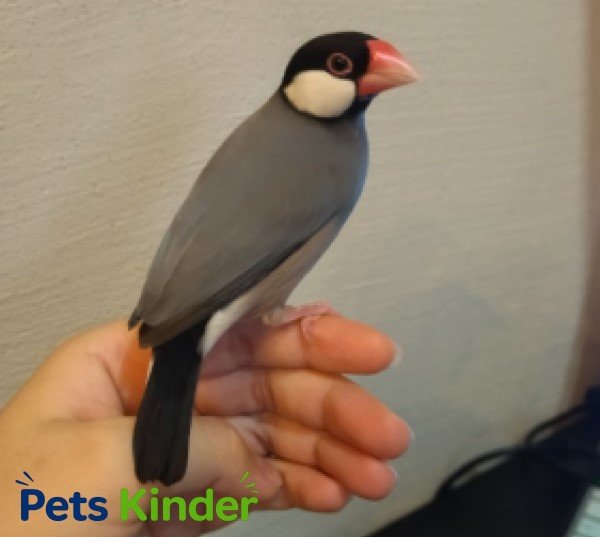
At first glance, the Java Sparrow looks like it dressed up for a fancy occasion and decided to never stop. Adults typically measure around 5 to 6 inches in length, making them compact but sturdy for a finch-type bird. Their plumage follows a clean, almost graphic pattern: a soft gray body, a white belly that transitions into rosy-pink on the lower abdomen, a jet-black head, and distinctive white cheek patches that stand out like bold brushstrokes. Add a thick, candy-pink bill and a ring of bare pink skin around each eye, and you’ve got a bird that looks almost artfully designed.
There are also several color mutations in captivity, including white, fawn, pastel, and pied variants. These have been selectively bred over generations, though the wild-type gray remains the most iconic. Males and females look nearly identical, which makes visual sexing challenging though males often sing more frequently and perform elaborate courtship dances to set themselves apart.
Behavior and Personality Traits
Java Sparrows are social, curious, and surprisingly bold for their size. In the wild, they live in large flocks, and that flock mentality carries over into captivity. They thrive in the company of other birds and can become visibly stressed when kept in isolation for extended periods. Their interactions are lively they chatter, follow each other around, and engage in gentle mutual preening, which is a strong bonding behavior.
Interestingly, these birds are also quite observant of their human caregivers. Given consistent, patient handling from a young age, Java Sparrows can become reasonably tame and may even perch on a hand willingly. They aren’t as cuddly as parrots, but they’re far from standoffish. Their intelligence shows in small, telling ways like learning where their food is kept or recognizing the person who feeds them daily.
Diet and Nutrition
What Java Sparrows Eat in the Wild
In their native habitat, Java Sparrows are primarily seed eaters. They favor rice above almost everything else, which is exactly why they earned the nickname “Rice Bird” and why rice farmers historically viewed them as agricultural pests. Beyond rice, wild Java Sparrows consume a wide variety of grass seeds, millet, and other grains. They forage on the ground and along stalks, using that strong, thick bill to crack open seeds with ease.
Feeding Java Sparrows in Captivity
A captive Java Sparrow’s diet should reflect their natural preferences while adding some nutritional variety. A high-quality finch or canary seed mix forms the backbone of their daily diet. Additionally, offering sprouted seeds significantly boosts nutritional value, since germination increases the bioavailability of vitamins and enzymes. Millet sprays are a favorite treat and work wonderfully for encouraging positive interactions.
Fresh vegetables like leafy greens, chopped broccoli, and grated carrot round out their nutrition nicely. Small amounts of cooked egg can serve as a protein source, especially during breeding season when nutritional demands increase. Fresh, clean water must always be available. Avoid avocado, onion, garlic, and salty or sugary human foods these are toxic or harmful to birds generally. Grit and cuttlebone should also be provided to support digestion and calcium intake.
Health, Care, and Common Issues
General Care Requirements
Java Sparrows are relatively hardy birds, but they still require a thoughtful living environment to truly thrive. A spacious cage is non-negotiable wider is better than taller, since finches fly horizontally. A cage measuring at least 30 inches wide gives a pair enough room to move and exercise properly. Perches of varying diameters help keep their feet healthy and prevent pressure sores.
Temperature matters, too. Java Sparrows prefer a stable environment between 65°F and 80°F. They don’t handle sudden drafts or cold snaps well, so placement away from air conditioning vents and open windows is wise. Lighting also plays a role in their hormonal cycles, so providing a consistent light-dark schedule of about 12 hours each helps regulate their behavior and breeding patterns throughout the year.
Common Health Problems
Air Sac Mites
One of the more serious health concerns for Java Sparrows is air sac mite infestation (Sternostoma tracheacolum). These microscopic parasites infect the respiratory system and cause labored breathing, clicking sounds, and overall weakness. Early detection is critical. A bird that opens its mouth frequently or breathes with visible effort needs veterinary attention immediately.
Egg Binding
Female Java Sparrows can suffer from egg binding, a condition where a partially developed egg becomes stuck in the reproductive tract. It’s life-threatening if not addressed quickly. Signs include a swollen abdomen, fluffed feathers, and a bird sitting unusually still on the cage floor. Warmth and prompt avian veterinary care are essential in these situations.
Feather Issues and Obesity
Overgrown nails and feathers can impair movement, so regular monitoring is important. Obesity is also a real concern in sedentary captive birds that receive too many fatty seeds without enough exercise space. A balanced diet and a roomy cage are the most practical preventative measures for this issue.
Scaly Face and Bacterial Infections
Knemidokoptes mites can cause crusty, scaly deposits around the beak and eyes. Bacterial infections may also arise from poor cage hygiene, so regular cleaning of perches, food dishes, and cage surfaces is a fundamental part of responsible care.
Lifespan and Long-Term Considerations
How Long Do Java Sparrows Live?
With proper care, Java Sparrows typically live between 5 and 10 years, and some well-kept individuals have reached 12 years in captivity. Their lifespan is directly tied to the quality of their diet, housing, and access to veterinary care. Stress, poor nutrition, and chronic loneliness all shorten their lives considerably, while a stimulating, social environment tends to have the opposite effect.
Breeding and Long-Term Commitment
Java Sparrows are prolific breeders under the right conditions. A compatible pair will often begin nesting behavior when days are longer and temperatures are warmer. They build loose, domed nests and may lay four to eight eggs per clutch, with an incubation period of around 13 to 14 days. Both parents participate actively in incubating eggs and feeding chicks, which is genuinely wonderful to observe.
That said, breeding should be approached thoughtfully. Allowing a pair to breed too frequently exhausts the female and can lead to serious health consequences. Limiting breeding to one or two clutches per season and providing a nest box that can be removed afterward helps protect her long-term wellbeing.
Legal Status and Ethical Ownership
It’s worth noting that Java Sparrows are considered an invasive species in some regions outside their native range, including parts of Hawaii and certain areas of Florida. As a result, ownership regulations vary by location in some states and countries, keeping them requires a permit or is outright prohibited. Always verify local wildlife laws before acquiring these birds.
Furthermore, ethical sourcing matters. Captive-bred Java Sparrows are widely available and are far preferable to wild-caught individuals, which often suffer significantly during capture and transport. Supporting responsible breeders helps ensure that this beautiful species continues to thrive both in captivity and in the wild.
Final Thoughts
The Java Sparrow is genuinely one of the more rewarding birds a person can keep or observe. They bring elegance, social energy, and a gentle musicality to any environment they inhabit. Understanding their nutritional needs, recognizing early signs of illness, and providing a rich social life are the pillars of keeping them well and happy for years. For anyone willing to meet those needs, the Java Sparrow offers something that’s harder to quantify the quiet, daily pleasure of sharing space with a creature that’s perfectly, beautifully itself.