From Wild Roots to Living Rooms: The Truth About Owning a Ringneck Parrot

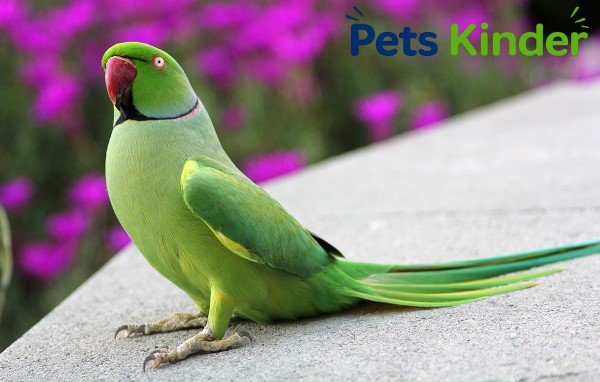
There’s a moment every ringneck parrot owner describes the same way the first time their bird looks them straight in the eye, tilts its head, and says something back. It’s equal parts hilarious and humbling. The ringneck parrot, known scientifically as Psittacula krameri and commonly called the Indian Ringneck or Rose-ringed Parakeet, has built a devoted global following not because it’s easy to keep, but because it is genuinely extraordinary. Intelligent, opinionated, and achingly beautiful, this bird demands respect and once you earn its trust, the bond you form is unlike anything else in the pet world.
Understanding the Ringneck Parrot: Origins and Key Characteristics
Where This Bird Actually Comes From
The ringneck parrot is not a product of captive breeding programs. It has wild populations thriving across Sub-Saharan Africa, the Indian subcontinent, and thanks to escaped and released birds feral colonies have established themselves in parts of Europe, the Middle East, and even California. That wild heritage is critically important to understand because it explains so much about the bird’s behavior, independence, and care requirements. This is not a domesticated species in the way dogs or cats are. It is a wild animal that has adapted, to varying degrees, to life alongside humans.
Physical Traits That Turn Heads
Adult male ringneck parrots are easy to identify. The distinctive rose-pink and black ring circling the neck the feature that gives the species its name appears as males reach sexual maturity, typically between 18 months and 3 years of age. Females are equally beautiful but lack the ring, displaying instead a cleaner, uninterrupted green or color-variant plumage depending on their mutation.
Speaking of mutations this is where the ringneck parrot becomes almost overwhelming in its variety. The wild-type lime green is stunning on its own, but breeders have developed dozens of color mutations over the decades. Lutino (yellow with red eyes), albino, blue, violet, turquoise, grey-green, and cinnamon are just a handful of the options available today. These mutations don’t affect temperament or health when bred responsibly, and they’ve made the ringneck one of the most visually diverse parrot species in aviculture.
In terms of body size, ringnecks measure between 14 and 17 inches from head to tail tip, with that long, graceful tail accounting for roughly half the total length. Their build is slender and athletic, and they are agile fliers with impressive speed when given open space.
Temperament: Honest, Not Romanticized
It’s worth being straightforward here, because too many people adopt ringneck parrots expecting a cuddly, immediately affectionate companion and are caught off guard by the reality. Ringnecks are independent. They are not naturally lap birds, and they go through a well-documented “bluffing” phase during adolescence roughly between four months and one year where they can become nippy, territorial, and unpredictable. This phase passes, but only if the owner responds with patience and consistency rather than fear or avoidance.
On the flip side, a properly socialized ringneck parrot is an endlessly entertaining companion. Their vocabulary potential is genuinely impressive many individuals learn between 100 and 250 words, and some exceptional birds push beyond that. They mimic tone, context, and timing in ways that feel uncanny. Furthermore, they are playful, curious, and remarkably adaptable once they feel secure in their environment.
Diet and Nutrition: What Your Ringneck Parrot Actually Needs
Building a Balanced Daily Diet
In the wild, ringneck parrots forage broadly consuming seeds, fruits, nectar, blossoms, agricultural grain, and occasionally insects. Replicating that nutritional diversity in captivity is essential for long-term health. A diet built primarily on loose seeds is one of the most common and damaging mistakes ringneck owners make. Seeds are high in fat and low in essential vitamins and minerals, and birds fed a seed-heavy diet almost inevitably develop fatty liver disease, obesity, and vitamin A deficiency over time.
High-quality extruded pellets should make up the majority of the diet ideally around 60 to 70 percent. The remainder should come from fresh vegetables, fruits, and occasional protein sources like cooked legumes or hard-boiled egg. Dark leafy greens such as collard greens, Swiss chard, and dandelion leaves are nutritional powerhouses. Carrots, sweet potato, bell peppers, and squash provide excellent beta-carotene, which converts to vitamin A a nutrient these birds are particularly prone to lacking.
Hydration and Safe Treats
Fresh, clean water should be available at all times and changed at least once daily. Fruits mango, papaya, pomegranate, and berries in particular make wonderful treats that most ringnecks adore. However, certain foods are strictly off-limits: avocado causes cardiac distress and can be fatal, and chocolate, caffeine, onion, garlic, and high-salt or high-sugar processed foods are all dangerous. Fruit seeds from apples, cherries, and stone fruits also contain compounds that are harmful to parrots and should always be removed before offering fruit.
Health and Care: What Responsible Ownership Looks Like
Creating the Right Living Environment
A ringneck parrot needs space not just adequate space, but genuinely generous space. A minimum cage size of 24 x 24 x 36 inches is a starting point, but larger enclosures are significantly better. Bar spacing should sit between ¾ and 1 inch to prevent injury. Inside the cage, natural wood perches of varying diameters help maintain healthy feet and beak condition. Foraging toys, shreddable materials, puzzle feeders, and rotating enrichment items keep the bird’s sharp mind engaged and prevent destructive boredom.
Out-of-cage time is not optional it’s a welfare requirement. Ringneck parrots need at least two to three hours of supervised free flight or structured interaction daily. Birds that don’t receive this develop behavioral problems that are difficult to reverse once established. Bathing, either through a gentle mist spray or a shallow dish, should be offered several times per week since ringnecks enjoy it and it supports healthy feather and skin condition.
Routine Veterinary Care
An avian specialist not a general small-animal vet should perform a full wellness exam at least once per year. Blood panels, fecal tests for parasites, and weight monitoring catch problems early. Because parrots instinctively mask symptoms of illness as a survival mechanism, subtle signs like slight puffing, reduced appetite, changes in droppings, or altered vocalization patterns often indicate a health issue that warrants prompt veterinary attention.
Common Diseases and Health Issues in Ringneck Parrots
Infections, Viruses, and Respiratory Conditions
Psittacine Beak and Feather Disease (PBFD) is arguably the most feared illness in the parrot world. Caused by a circovirus, it progressively destroys feather follicles and causes beak deformities with no available cure. Infected birds can shed the virus and expose others, making quarantine of new birds and avoidance of unknown flocks critical biosecurity practices.
Aspergillosis, a fungal respiratory infection caused by Aspergillus mold spores, develops in birds housed in poorly ventilated or damp conditions. Symptoms typically include labored breathing, tail-bobbing when breathing, nasal discharge, and general lethargy. Treatment with antifungal medications is possible when caught early, but advanced cases carry a poor prognosis.
Polyomavirus primarily threatens young birds and can cause sudden death in severe cases. Chlamydiosis (Chlamydia psittaci), also known as parrot fever, is a bacterial infection transmissible to humans and must be handled with appropriate caution. Regular testing through your avian vet, particularly if you have a bird with unknown history, is strongly advisable.
Behavioral and Psychological Health Concerns
Feather destructive behavior self-plucking or barbering of feathers is a symptom rather than a diagnosis. It typically signals chronic stress, inadequate stimulation, hormonal imbalance, or an underlying medical condition. Addressing it requires a thorough veterinary workup followed by targeted behavioral and environmental modifications. Screaming, aggression, and territorial behavior that seems excessive almost always trace back to unmet social or environmental needs rather than an inherently “bad” bird.
Lifespan and the Long View
How Long Will Your Ringneck Parrot Live?
A well-cared-for ringneck parrot commonly lives between 25 and 30 years in captivity. Some individuals, given exceptional nutrition, veterinary care, and environmental enrichment, reach their mid-30s. This lifespan rivals many dog breeds and far exceeds most small pets, which means that bringing a ringneck into your home is a serious, decades-long commitment.
Before adopting, prospective owners should honestly assess whether their lifestyle, living situation, and long-term plans can accommodate a bird with this kind of longevity. Veterinary costs, diet quality, housing requirements, and daily time investment all accumulate significantly over 25 to 30 years. Many experienced bird owners recommend drafting a care plan including arrangements for the bird’s care should something happen to the owner as part of responsible long-term ownership.
Ultimately, the ringneck parrot is not a beginner’s shortcut to parrot ownership. It is a deeply rewarding, sometimes challenging, always fascinating companion that gives back exactly in proportion to what you invest. Get that equation right, and you’ll have one of the most remarkable relationships in the pet world.