Not Quite Sneeze-Free, But Close: The Real Truth About Hypoallergenic Cats

If you’ve ever fallen in love with a cat only to spend the next hour sneezing your way through a box of tissues, you already know the heartbreak. Cat allergies affect millions of people worldwide, yet the desire to share your home with a feline companion doesn’t magically disappear just because your immune system disagrees. That’s exactly why hypoallergenic cats have become one of the most searched topics among pet lovers and why so much confusion surrounds them.
Let’s clear something up right from the start: no cat is 100% hypoallergenic. What people actually mean when they use that word is a cat that produces fewer allergens, making life significantly more manageable for allergy sufferers. Understanding what actually triggers your symptoms is the first step to finding a cat breed that might actually work for you.
What Actually Causes Cat Allergies?
Most people assume cat fur is the villain. It’s not directly, anyway. The real culprit is a protein called Fel d 1, produced primarily in a cat’s saliva, skin glands, and to a lesser extent, urine. When cats groom themselves, this protein coats their fur. As the fur sheds or dander flakes off, microscopic allergen particles become airborne and settle on furniture, carpets, and clothing.
Some cat breeds naturally produce lower levels of Fel d 1 than others. Additionally, male cats tend to produce more of it than females, and unneutered males produce the most. Kittens also generate lower levels compared to adult cats. These biological differences are exactly why certain breeds get labeled as hypoallergenic cats they’re not allergen-free, but they’re measurably lower on the scale.
Key Features and Characteristics of Hypoallergenic Cat Breeds
What Makes a Breed “Hypoallergenic”?
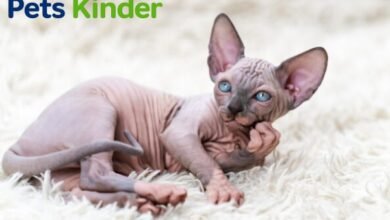
Several physical and biological traits contribute to a cat’s allergen output. Coat type plays a notable role cats with very short coats or curly coats shed significantly less than long-haired breeds, which reduces how much dander circulates through your home. Interestingly, some hairless breeds like the Sphynx still produce Fel d 1 through their skin, but because there’s no fur to carry and disperse it as widely, many allergy sufferers tolerate them far better.
Grooming frequency also matters. Cats that are bathed regularly by their owners have measurably lower allergen levels on their coats. Breed temperament plays into this too calmer, less active cats that groom themselves moderately tend to spread fewer allergens around the home than highly active, high-shedding cats.
Popular Hypoallergenic Breeds Worth Knowing
Siberian
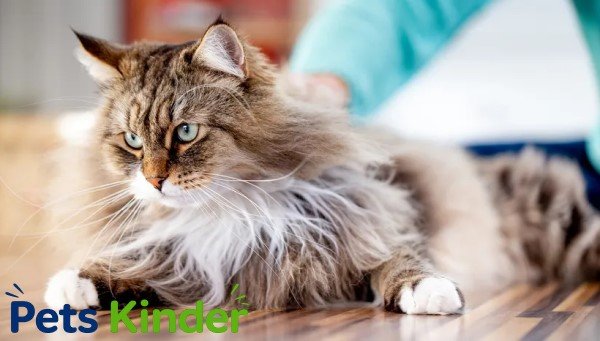
Surprisingly, this large, thick-coated forest cat from Russia is one of the most recommended breeds for allergy sufferers. Multiple studies suggest Siberians produce notably lower levels of Fel d 1 compared to most breeds. They’re affectionate, playful, and highly social a wonderful combination for families. Many allergy sufferers who have failed with every other breed report tolerating Siberians well.
Balinese
Often called the “long-haired Siamese,” the Balinese is elegant, chatty, and surprisingly low in Fel d 1 production. Despite their silky, flowing coat, they shed less than you’d expect and produce fewer allergens than many short-haired cats. They’re deeply people-oriented and thrive on interaction, making them a fantastic choice for anyone who wants an engaged, vocal companion.
Sphynx
The Sphynx is probably the most iconic of the so-called hypoallergenic breeds, largely because of its dramatic hairless appearance. Without fur to trap and distribute dander widely, many allergy sufferers find them much easier to live with. They’re warm to the touch, energetic, and notoriously affectionate often described as dog-like in their loyalty. However, they do require regular skin wiping to remove oil buildup.
Rex Breeds (Cornish and Devon)
Both the Cornish Rex and Devon Rex have short, curly coats that shed far less than typical cat coats. Because they lack the full outer guard hairs, loose fur stays close to the body and doesn’t scatter through your home the way it does with most breeds. They’re playful, kitten-like well into adulthood, and highly sociable.
Russian Blue
The Russian Blue produces lower-than-average Fel d 1 levels and has a dense, plush double coat that traps dander rather than allowing it to float freely. They’re calm, gentle, and somewhat reserved with strangers but deeply devoted to their chosen people. For allergy sufferers who want a quieter, low-key companion, the Russian Blue is often a perfect fit.
Diet and Nutrition for Hypoallergenic Cats
Proper nutrition directly affects skin health, coat quality, and overall allergen production. A diet rich in omega-3 and omega-6 fatty acids helps maintain a healthy skin barrier, reducing excess dander and dry skin flaking. High-quality protein sources ideally real meat listed as the first ingredient support overall cellular health and reduce inflammatory responses that can worsen skin conditions.
Avoid foods with excessive fillers, artificial additives, or low-quality by-products, as these can contribute to skin irritation and increased shedding. Hairless breeds like the Sphynx especially benefit from nutrient-dense diets because their skin works harder without fur protection. Fresh water access is equally important dehydration leads to dry, flaky skin, which directly increases dander levels in your home.
Health, Care, and Common Issues
Grooming and Home Management
Even with a hypoallergenic breed, consistent care routines make a real difference. Bathing your cat every two to four weeks can significantly reduce the allergen load on their skin and coat. Use a gentle, cat-safe shampoo and introduce bathing slowly if your cat isn’t used to it. Regular brushing ideally done outdoors or by a non-allergic household member also helps remove loose dander before it spreads.
Inside the home, HEPA air purifiers placed in rooms where your cat spends the most time are genuinely effective at capturing airborne allergens. Washing bedding, vacuuming with HEPA-filter vacuums, and keeping cats out of the bedroom during sleep can dramatically improve daily comfort for allergy sufferers.
Common Health Issues by Breed
Hypoallergenic breeds aren’t immune to health problems. Sphynx cats are prone to hypertrophic cardiomyopathy (HCM), a serious heart condition, and should receive cardiac screenings regularly. They’re also susceptible to skin infections if not kept clean, and they need protection from sunburn and temperature extremes due to their lack of fur.
Siberian cats are generally hardy, but like many purebreds, they carry a genetic predisposition to HCM. Rex breeds can occasionally develop skin issues due to their unusual coat structure, and their ears tend to accumulate wax more quickly than other cats, requiring regular cleaning. Russian Blues are relatively robust but can be prone to obesity if their diet isn’t carefully managed their calm temperament means they don’t always self-regulate activity well.
Lifespan and Long-Term Considerations
Most hypoallergenic breeds enjoy healthy, long lives when properly cared for. Siberians typically live between 12 and 15 years, while Sphynx cats average 8 to 14 years, though many reach well beyond that with attentive care. Russian Blues and Rex breeds generally live 10 to 15 years. Balinese cats, sharing the robust genetics of the Siamese line, often reach 15 to 20 years with good health management.
Long-term ownership of any cat with allergies in the household requires ongoing commitment. Over time, some allergy sufferers actually build up partial tolerance to their specific cat’s allergen profile though this varies widely by individual. Regular vet checkups, a clean home environment, and consistent grooming habits make a bigger difference over the years than most new owners anticipate.
Final Thoughts: Finding Your Perfect Match
Living with cat allergies doesn’t have to mean living without cats. Hypoallergenic breeds offer a genuine pathway to feline companionship for millions of people who once thought it impossible. The key is doing your research, spending time with a specific breed before committing, and being realistic about the management involved.
Talk to reputable breeders who health-test their cats. If possible, visit the cattery and spend an hour or two in the environment your body’s reaction will tell you more than any article can. Combine that firsthand experience with the right home environment, consistent care, and perhaps a conversation with your doctor about allergy management strategies, and you might be surprised at just how wonderfully possible cat ownership can be.