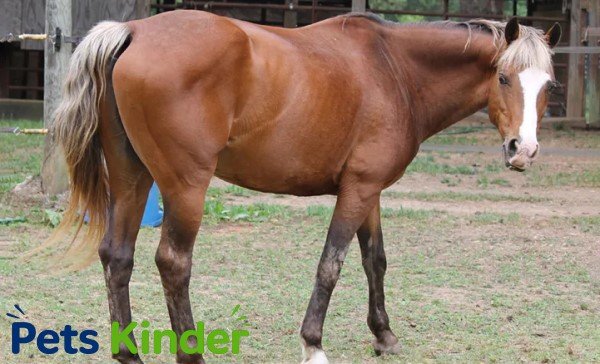
Few sights in the equine world are as instantly recognizable or as deeply admired as a bay horse standing in the golden light of late afternoon. That rich, warm body coat paired with black points has captivated horse lovers, breeders, and riders for centuries. Whether you’re a seasoned equestrian or someone who simply finds horses breathtaking, understanding the bay horse goes far deeper than its stunning appearance. From genetics and temperament to diet, health care, and lifespan, there’s a remarkable story behind this color that deserves a closer look.
What Exactly Is a Bay Horse?
Defining the Bay Color
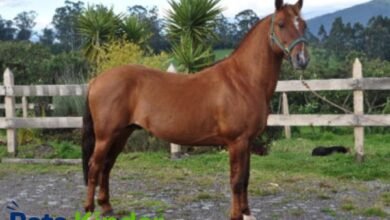
A bay horse is defined by a brown-to-reddish body coat combined with black points meaning black legs, mane, tail, and ear tips. This combination is controlled by two key genes: the Extension gene (E) and the Agouti gene (A). The Extension gene determines whether black pigment is produced at all, while the Agouti gene restricts that black pigment to the points of the body. When both genes work together in the right way, you get the classic bay appearance.
The bay horse color can range enormously within that definition. Some bays are a light, golden tan almost sandy in appearance. Others are a deep, blood-red mahogany. This wide spectrum is what makes bays so visually diverse while still falling under the same genetic umbrella. Regardless of where a horse lands on that spectrum, the black points remain the defining feature.
What Makes a Dark Bay Horse Different?
The dark bay horse, sometimes called “black bay” or “seal bay,” sits at the deepest end of the bay color spectrum. Its body coat is so dark almost chocolate or near-black in some lights that many people mistake it for a true black horse at first glance. However, in bright sunlight, the brownish or reddish undertones become visible, immediately distinguishing it from solid black.
Dark bay horses are especially prized in competitive disciplines and sport horse breeding. Their dramatic, almost brooding appearance gives them a powerful visual presence in the arena or on the trail. Genetically, the dark bay horse carries the same E and A gene combination as lighter bays, but modifier genes and environmental factors like sun exposure and nutrition influence just how dark that coat becomes.
Key Physical Characteristics of the Bay Horse
Body Structure and Build
Bay isn’t a breed it’s a color that appears across dozens of horse breeds worldwide, from Thoroughbreds and Quarter Horses to Arabians, Warmbloods, and Standardbreds. As a result, the physical build of a bay horse varies greatly depending on its breed. A bay Thoroughbred will carry a lean, athletic frame built for speed, while a bay Warmblood will display a heavier, more muscular build suited for dressage or show jumping.
What unites them all is the coat pattern. The black mane and tail are often thick and striking, creating a sharp visual contrast against the warm body color. The legs, from the knee and hock downward, are typically solid black though some bays have small white markings like socks or stockings, which are entirely separate from the bay gene itself.
Coat Variations Within the Bay Family
Beyond the dark bay horse, the bay color family includes several recognized variations. Blood bay horses are intensely red and vibrant, almost fiery in appearance. Standard bays fall in the middle range, displaying a classic reddish-brown that most people picture when they think of a bay. Mahogany bays are dark and rich without quite reaching the near-black depth of a true dark bay. Understanding these variations helps buyers, breeders, and registries classify horses more precisely.
Diet and Nutrition for Bay Horses
Core Nutritional Needs
A bay horse’s diet doesn’t differ fundamentally from any other horse’s, because coat color doesn’t alter nutritional requirements. However, a proper diet plays a significant role in how vibrant and lustrous that bay horse color appears. Horses that are malnourished or deficient in key nutrients often display dull, faded coats and a bay that should shine like copper may instead look washed-out and rough.
The foundation of any horse’s diet should be high-quality forage. Grass and hay provide the bulk of calories and fiber that keep the digestive system functioning properly. Most horses need roughly 1.5 to 2 percent of their body weight in forage daily. A 1,000-pound bay horse, therefore, needs around 15 to 20 pounds of hay or pasture grass per day as a baseline.
Supplements That Support Coat Quality
Certain nutrients directly impact coat health and the richness of bay horse color. Omega-3 fatty acids found in flaxseed, chia seeds, and fish oil promote a glossy, healthy coat. Biotin supports hoof quality and skin health, which in turn affects coat condition. Zinc and copper are trace minerals that play a critical role in pigmentation; a deficiency in either can cause a bay coat to appear faded, rusty, or sun-bleached.
Protein quality also matters considerably. Amino acids like lysine and methionine support hair growth and integrity. Horses in heavy work, breeding mares, and young horses all have elevated protein requirements that should be met through balanced concentrates or targeted supplementation. Always consult with an equine nutritionist or veterinarian before adding supplements to a horse’s feed program.
Health, Care, and Common Issues
Routine Care for a Healthy Bay Horse
Caring for a bay horse follows the same essential practices as any horse, but a few specifics are worth highlighting. Regular grooming not only keeps the coat clean and parasite-free it also brings out the natural shine that makes bay horse color so striking. Curry combs, soft brushes, and finishing cloths all help distribute natural oils and remove dust and dander.
Hoof care is non-negotiable. Farrier visits every six to eight weeks keep the hooves balanced and prevent lameness issues. Dental care, often overlooked, should include annual or biannual floating by an equine dentist to ensure the horse can chew forage efficiently. A horse that can’t chew properly won’t absorb nutrients well and that shows up quickly in a dull coat and declining body condition.
Common Health Conditions to Watch For
Bay horses are not predisposed to any specific disease based on their color alone, but several common equine health issues affect all horses equally. Laminitis a painful inflammation of the hoof laminae is one of the most serious conditions a horse owner can face. It’s often triggered by dietary imbalances, particularly excess sugar and starch, and requires immediate veterinary attention.
Colic, a broad term for abdominal pain in horses, is the leading cause of death in domestic horses and demands urgent care. Regular deworming, consistent feeding schedules, and access to fresh water all help reduce colic risk. Equine influenza, strangles, and West Nile virus are among the infectious diseases that vaccination programs help prevent. Working with a veterinarian to establish a comprehensive vaccination and deworming schedule is essential for every horse owner.
Skin conditions like rain rot and sweet itch can affect bay horses, particularly in humid climates. Maintaining clean, dry living conditions and using appropriate fly sheets and repellents goes a long way toward prevention.
Lifespan and Long-Term Considerations
How Long Do Bay Horses Live?
The average horse lives between 25 and 30 years, and bay horses fall right within that range. With excellent care, some horses reach their mid-30s in good health and remain active well into their late 20s. Lifespan depends heavily on genetics, breed, workload, and the quality of care the horse receives throughout its life.
Large warmbloods and draft-type horses tend to age a bit faster than lighter breeds like Arabians, which are well known for their longevity. Thoroughbreds typically retire from racing in their mid-careers but can live healthy lives for decades afterward with proper management. Regardless of breed, a bay horse that receives consistent veterinary care, balanced nutrition, appropriate exercise, and a low-stress environment stands the best chance of living a long, productive life.
Planning for Senior Horse Care
As a bay horse enters its senior years generally considered to be around 15 to 20 years old, depending on the breed its needs shift. Senior horses often struggle to maintain weight, particularly in winter, and may need specialized senior feeds formulated for easier chewing and digestion. Joint supplements containing glucosamine, chondroitin, and hyaluronic acid can support comfort in aging horses dealing with arthritis or general stiffness.
Regular veterinary check-ups become even more important in the senior years. Dental issues, hormonal disorders like Equine Cushing’s Disease (PPID), and chronic lameness all become more common with age. Catching these conditions early and managing them proactively allows many senior horses to enjoy comfortable, happy lives long after their competitive careers have ended.
Why the Bay Horse Endures
There’s a reason the bay horse has remained one of the most popular and beloved coat colors in the equine world for thousands of years. It combines timeless beauty with extraordinary versatility, appearing in virtually every breed and discipline imaginable. Whether you’re drawn to the fiery brilliance of a blood bay galloping across an open field, the understated elegance of a dark bay horse standing quietly in the barn aisle, or the warm, classic richness of a standard bay horse color at sunset there’s something undeniably magnetic about this coat.
Understanding a bay horse goes far beyond appreciating its looks. It’s about knowing what this animal needs, how to keep it healthy, and how to honor the decades of life it can share with you. That knowledge transforms a beautiful horse into a genuine partnership and that, more than any coat color, is what riding is truly all about.