The Boer Goat: The Meat Breed That Redefined Goat Farming Across the World

If you’ve spent any time around goat farming, you’ve heard the name. The Boer goat carries a reputation that stretches far beyond its South African roots it’s muscular, fast-growing, adaptable, and built for production in a way that few other breeds can match. Whether you’re a commercial producer looking to maximize yield or a small-scale farmer wanting a hardy, low-maintenance animal, the Boer breed goat consistently delivers results that justify its global popularity. Understanding what makes this breed exceptional starts with knowing where it came from and what it was specifically bred to do.
Boer Goat Origin: A Breed Born From Purpose
The Boer goat origin traces back to South Africa in the early 1900s, where Dutch settlers known as Boers, a word meaning “farmer” in Afrikaans developed the breed through careful selection. They crossed indigenous Namaqua Hottentot goats with various other breeds, possibly including Indian and European bloodlines, to produce an animal that could thrive in the harsh, semi-arid conditions of the South African veld. The goal was straightforward: a meat goat that grew fast, held condition on minimal forage, and required little intervention to stay healthy.
How the Boer Goat Reached the World Stage
For decades, South Africa kept strict export controls on Boer genetics. It wasn’t until the early 1990s that the breed became available internationally first through embryo exports to Australia and New Zealand, and then to the United States by 1993. The American meat goat industry transformed almost immediately. Producers who had struggled to raise profitable meat animals suddenly had access to a breed that gained weight efficiently, produced well-muscled carcasses, and adapted to a remarkably wide range of climates. Today, the Boer goat is found on every continent where goat farming exists, and its genetics have influenced commercial herds worldwide.
Boer Goat Characteristics That Set It Apart
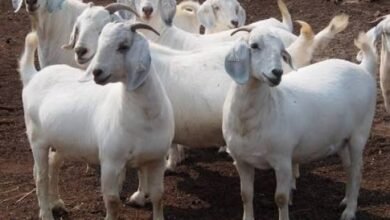
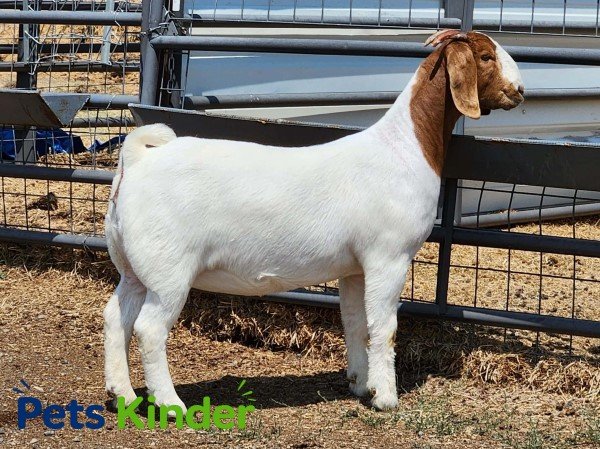
Walk into a pasture with Boer goats and you’ll identify them instantly. These are not delicate animals. They carry a broad, muscular body with a deep chest, wide hindquarters, and strong, straight legs built to cover ground in search of forage. The classic Boer goat wears a white body with a rich reddish-brown head, though color variations exist across different breeding programs.
Physical Traits and Build
The Boer goat characteristics that farmers prize most are directly tied to meat production. Bucks typically weigh between 200 and 340 pounds at maturity, while does generally range from 190 to 230 pounds. Both sexes carry the breed’s signature pendulous ears, a slightly Roman nose, and a calm, docile expression that reflects their generally easygoing temperament. Their skin is loose and pliable, which helps them tolerate heat and reduces susceptibility to certain external parasites. Additionally, their hooves are dark and hard, which makes them durable on rocky or rough terrain.
Growth Rate and Meat Quality
What truly separates the Boer from most other goat breeds is its growth rate. Kids gain weight rapidly often reaching market weight faster than competing breeds under the same feeding conditions. The meat they produce is lean, fine-grained, and carries a mild flavor that appeals to a wide consumer base. Furthermore, their high dressing percentage the proportion of live weight that becomes usable carcass makes them economically efficient in ways that directly affect a producer’s bottom line. These qualities explain why crossbreeding programs around the world use Boer genetics to improve the meat production of local herds.
Diet and Nutrition for Boer Goats
Despite their hardy reputation, Boer goats still require thoughtful nutrition to perform at their best. They are browsers by nature, preferring shrubs, weeds, and woody vegetation over pure grass, though they’ll graze when browsing options are limited. This natural foraging behavior means they can thrive in areas where cattle or sheep might struggle to maintain condition.
Feeding Strategies That Support Performance
A productive Boer goat operation builds its feeding program around quality forage as the foundation. Good pasture, hay, or browse covers the bulk of their nutritional needs during maintenance periods. However, does in late pregnancy, does nursing multiple kids, and young animals in growth phases all need supplemental grain to meet their elevated energy and protein demands. A balanced concentrate at roughly 14 to 16 percent protein works well during these periods. Importantly, Boer goats need access to loose minerals formulated specifically for goats not sheep minerals, which are low in copper and can lead to deficiencies over time. Fresh, clean water must always be available, especially during hot weather or lactation.
Health, Care, and Common Issues in Boer Goats
The Boer goat’s reputation for hardiness is well-earned, but hardiness doesn’t mean invincibility. Like any livestock animal, they face specific health challenges that attentive producers need to recognize and address proactively. Establishing a relationship with a knowledgeable large-animal veterinarian before problems arise is one of the smartest things any Boer goat farmer can do.
Internal Parasites: The Biggest Ongoing Challenge
Barber pole worm (Haemonchus contortus) is, without question, the most serious health threat facing Boer goats in warm, humid climates. This bloodsucking internal parasite causes anemia, bottle jaw, rapid weight loss, and death if left untreated. Because widespread overuse of dewormers has created significant resistance, modern producers use the FAMACHA scoring system a method of assessing anemia by examining the color of the goat’s inner eyelid to target treatments only at animals that truly need them. Rotational grazing, maintaining proper stocking density, and selecting for parasite resistance in breeding stock all reduce the overall worm burden in a herd over time.
Other Health Concerns to Monitor
Beyond parasites, Boer goats are susceptible to respiratory infections, especially in young kids during cold or wet weather. Pneumonia can move quickly through a kid crop and requires immediate veterinary attention. Enterotoxemia, caused by Clostridium perfringens, is another serious and preventable condition a CDT vaccine given to does before kidding and to kids at the appropriate age provides reliable protection. Foot rot and foot scald can become problems in wet conditions, so regular hoof trimming every six to eight weeks and good pasture drainage reduce the risk considerably.
Kidding and Reproductive Management
Boer does are prolific breeders. They frequently deliver twins, and triplets aren’t unusual in well-managed herds. Does are attentive mothers under normal circumstances, but producers should monitor kidding closely and be prepared to assist when needed. Newborn kids require colostrum within the first few hours of life this is non-negotiable for immune system development. Good kidding facilities, clean bedding, and dry conditions dramatically improve kid survival rates, particularly during colder months.
Lifespan and Long-Term Considerations
A well-cared-for Boer goat typically lives between 10 and 15 years, though productive life in a commercial meat herd often runs shorter as producers cull based on performance. Does remain productive breeders for many years when managed properly, making your selection of foundation females one of the most important long-term decisions you’ll make for your herd. Genetics matter enormously investing in quality animals from the beginning costs more upfront but pays dividends across multiple breeding seasons.
Temple Grandin, the renowned animal scientist and livestock handling expert whose work revolutionized humane practices across the livestock industry, has long emphasized that low-stress animal handling improves both health outcomes and production efficiency. Her research and public advocacy offer producers practical guidance on designing better facilities and reducing animal stress during routine procedures principles that apply directly to Boer goat operations of every size.
Finding Boer Goats for Sale: What Smart Buyers Do
The market for Boer goat and goats for sale is active across the United States, with registered breeders, production sales, and online livestock platforms all offering options. Before purchasing, visit the farm when possible. Observe the overall herd health, ask about vaccination and deworming protocols, and request FAMACHA scores or performance records if available. A reputable seller will welcome your questions rather than deflect them.
Registered Versus Commercial Stock
Registered Boer goats from bloodlines with documented performance data cost more, but they offer predictable genetics for building a herd with specific goals. Commercial Boer crosses or percentage Boers provide a more affordable entry point while still delivering much of the breed’s characteristic growth and muscling. Your choice should reflect your operation’s scale, goals, and budget but in either case, prioritizing health and structural soundness over price alone will serve you far better in the long run.
The Boer goat earned its place at the top of the global meat goat industry through genuine performance, not marketing. It’s a breed that rewards good management generously and challenges neglect honestly which, for serious farmers, is exactly the kind of animal worth building a future around.