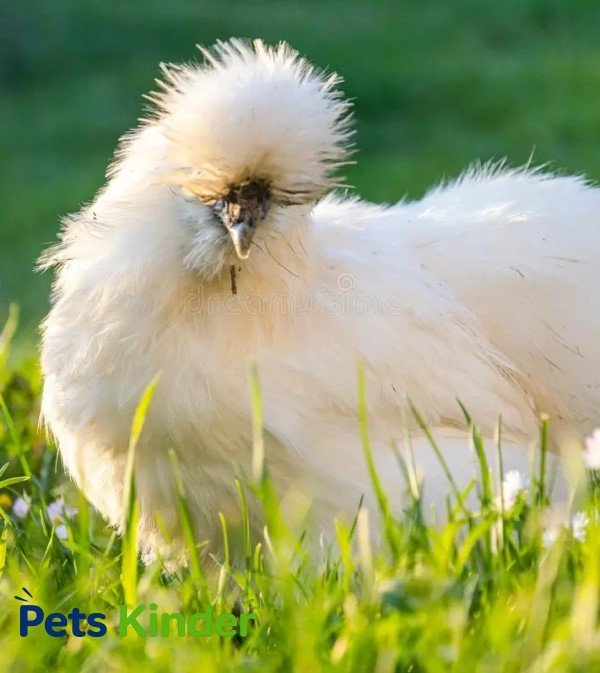
If you’ve ever spotted a chicken that looks more like a walking cotton ball than a bird, chances are you’ve come across a fur hen. These extraordinary, feather-puffed chickens have captivated backyard farmers, hobbyists, and poultry enthusiasts around the world and for good reason. Their dense, silky plumage gives them a look unlike anything else in the poultry world. But beyond their stunning appearance, fur hens are fascinating creatures with unique needs, rich histories, and surprisingly complex care requirements.
Whether you’re thinking about adding one to your flock or simply curious about what makes these birds so special, this guide covers everything from their physical features and diet to their health concerns and long-term care.
What Exactly Is a Fur Hen?
The term “fur hen” is commonly used to describe chickens with exceptionally dense, soft, and sometimes silk-like feathering that resembles fur rather than typical bird plumage. The most well-known breed in this category is the Silkie chicken, though other heavily feathered breeds like the Frizzle, Cochin, and Sultan also earn this affectionate nickname.
Silkies, in particular, are the poster birds of the fur hen world. Their feathers lack the tiny hooks (called barbicels) that normally zip chicken feathers together into a smooth, flat structure. As a result, each feather strand separates and fluffs outward, creating that signature soft, fur-like texture that you simply can’t stop touching.
Physical Features That Set Fur Hens Apart
Fur hens are genuinely unlike any other chicken you’ll encounter. Here’s what makes them stand out:
- Fluffy, fur-like plumage that covers the entire body, often including the feet and toes
- Dark blue-black skin and bones, a genetic trait unique to breeds like the Silkie
- Five toes instead of the typical four found on most chickens
- Walnut-shaped comb that sits close to the head, making it less susceptible to frostbite
- Turquoise earlobes, which are a surprisingly striking contrast against their white or black feathers
- Broad, stocky build with a calm, gentle temperament
These birds come in a wide array of colors white, black, buff, partridge, blue, and splash, among others. Their compact size classifies them as bantam or standard, depending on the specific line.
Temperament and Behavior
One of the biggest reasons fur hens have surged in popularity is their personality. They are famously docile, gentle, and friendly often described as the “lap dogs” of the chicken world. They tolerate handling extremely well, which makes them ideal for families with children or first-time chicken keepers.
Fur hens are also known for their strong brooding instinct. Silkies, in particular, will happily sit on eggs even those that aren’t their own. Many poultry keepers purposely use them as surrogate mothers for ducks, turkeys, or other birds.
Diet and Nutrition for Fur Hens
Feeding a fur hen isn’t dramatically different from feeding any other backyard chicken, but there are a few nuances worth knowing. Because of their dense feathering, they can sometimes struggle to compete for food in a mixed flock, so it’s important to monitor their feeding carefully.
What to Feed
Starter, Grower, and Layer Feeds
Like all chickens, fur hens thrive on a balanced commercial poultry feed:
- Chick starter feed (18–20% protein) for the first eight weeks
- Grower feed (16–18% protein) from weeks eight through eighteen
- Layer pellets or crumbles (15–17% protein with added calcium) once hens reach laying age
Treats and Supplements
Fur hens enjoy a variety of healthy treats, including leafy greens, mealworms, berries, and corn. However, treats should never make up more than 10% of their daily diet. Excess treats can dilute their nutritional intake and lead to obesity a real concern in less active birds.
Calcium supplementation is also important for laying hens. Crushed oyster shell offered on the side allows birds to self-regulate their calcium intake, which directly supports strong eggshell formation and bone health.
Fresh Water — Always
This sounds basic, but it’s absolutely critical. Fur hens’ heavy feathering around the face can make drinking from standard waterers tricky. Use nipple waterers or wide, shallow dishes to make hydration easier. Check daily that their facial feathers aren’t matting with moisture, as this can lead to fungal issues.
Health, Care, and Common Issues
Fur hens are hardy birds, but their unique physical characteristics do create some vulnerabilities that standard breeds don’t face. Staying informed is your best tool for keeping them healthy.
Feather-Related Challenges
Their beautiful plumage is both their greatest asset and their biggest liability. The dense, fluffy feathers mat easily when wet and can harbor lice and mites more readily than smooth-feathered birds. Regular inspections especially around the vent area and under the wings are essential.
During wet seasons, keep their coop dry and well-ventilated. Fur hens should never be left standing in mud or soaked through in rain. Wet feathers cling to the skin and dry slowly, increasing the risk of hypothermia and fungal skin infections.
Parasites
Mites and lice are common challenges for any chicken, but fur hens are particularly vulnerable due to the sheer density of their feathers. Inspect your birds every two to four weeks and treat promptly with appropriate poultry dusts or sprays if you spot signs of infestation. Common symptoms include feather loss, restlessness, and a dull appearance.
Marek’s Disease
Marek’s disease is a viral illness that affects chickens and can be devastating in backyard flocks. Fur hen breeds are not inherently more susceptible, but because they’re often kept in mixed flocks with new birds being introduced, the risk can rise. Vaccinating chicks at hatch is the most effective prevention.
Vaulted Skull and Neurological Issues
Some Silkie fur hens are bred with a “vaulted skull” a dome-shaped opening in the top of the skull that leaves the brain with less bony protection. Birds with this trait can be more prone to head injuries and, in some cases, neurological issues. Handle these birds with extra care and avoid housing them with aggressive breeds that might peck at their heads.
Coop and Environment Requirements
Fur hens don’t roost the way most chickens do. Their heavy feathering and shorter stature mean they often prefer sleeping on the ground or on very low platforms. Provide low ramps and ground-level nesting boxes to accommodate them.
Because they can’t fly well, standard chicken fencing is generally sufficient. However, they are more vulnerable to predators than flightier breeds, so secure housing is non-negotiable. A sturdy, predator-proof coop with hardware cloth (not chicken wire) is a must.
Lifespan and Long-Term Considerations
With proper care, fur hens typically live between 7 and 9 years, though some well-cared-for Silkies have been known to reach 12 years or more. Their egg production, however, is modest. Fur hens are not high-yield egg layers expect roughly 100 to 120 small, cream-colored eggs per year under good conditions.
Aging Gracefully
As fur hens age, egg production naturally declines. Senior birds may also experience joint stiffness, reduced mobility, and increased susceptibility to respiratory illness. Keeping their environment clean, warm, and dry becomes even more important as they get older. Adding probiotics and vitamins to their water during winter months can help support immune function in aging birds.
Breeding Considerations
If you’re interested in breeding fur hens, be aware that the vaulted skull trait in Silkies can be associated with greater health risks when two vaulted-skull birds are bred together. Many experienced breeders pair a vaulted-skull bird with a non-vaulted one to reduce this risk while still maintaining the breed’s characteristic look.
Final Thoughts
Fur hens are more than just a novelty. They’re gentle, social, and genuinely rewarding birds to raise whether you’re after their eggs, their brooding abilities, or simply their company. Understanding their specific needs around diet, feather care, parasite prevention, and environmental management will set you up for a long, successful relationship with these remarkable birds.
If you’re ready to welcome a fur hen into your life, start with a reputable breeder who prioritizes health over appearance, get your coop predator-proof before day one, and give these extraordinary birds the attentive care they deserve. You’ll quickly understand why so many chicken keepers say that once you go fur hen, you never go back.