Donkey Breeds: Discover the Unique Traits, Care Needs, and Best Companions

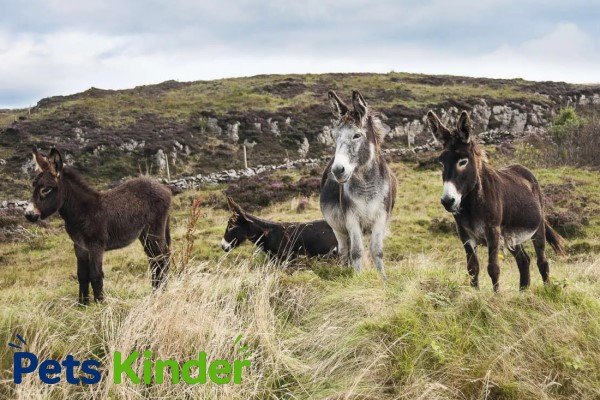
A complete guide to donkey varieties, nutrition, health, lifespan, and choosing the right donkey for your lifestyle
Donkeys have been trusted companions of humans for thousands of years, valued for their intelligence, strength, patience, and gentle nature. Today, people appreciate them not only as working animals but also as friendly farm companions and beloved pets. Learning about donkey breeds helps owners understand the differences in size, temperament, care requirements, and overall needs before choosing the right animal.
From small Mediterranean donkeys to larger working varieties, each breed has unique qualities. Some are known for their calm personalities, while others are recognized for endurance and adaptability. Understanding these differences makes it easier to provide proper care and build a strong relationship with these remarkable animals.
Understanding Donkey Breeds and Their Unique Characteristics
The world of donkey breeds is surprisingly diverse. Although many people think all donkeys are similar, different breeds can vary greatly in height, appearance, personality, and purpose. Some were developed for farming and transportation, while others became popular as companion animals.
Common characteristics of donkeys include strong survival instincts, excellent memory, and a cautious but intelligent nature. Unlike the common belief that donkeys are stubborn, they are often careful decision-makers that prefer to understand a situation before reacting.
When exploring types of donkey breeds, owners should consider factors such as available space, climate, experience level, and the amount of daily care they can provide. A smaller donkey may be ideal for a small property, while a larger breed may be better suited for farm work.
Popular Types of Donkey Breeds Around the World
There are many types of donkey breeds recognized across different regions. Some of the most famous include the American Mammoth Jackstock, Miniature Mediterranean Donkey, Poitou Donkey, Andalusian Donkey, and Standard Donkey.
The American Mammoth Jackstock is one of the largest donkey varieties and was historically bred for producing strong mule offspring. These donkeys are known for their impressive size, calm temperament, and powerful build.
Miniature donkeys are among the most popular companion animals because of their small size and affectionate personalities. They are often kept as family animals and can form strong bonds with humans and other livestock.
The most common donkey breeds are appreciated for their adaptability and friendly nature. Whether used for companionship, farming, or conservation purposes, donkeys continue to provide value in many communities.
Key Features of Different Donkey Breeds
One of the most interesting aspects of donkey breeds is the variety of physical features they display. Donkeys may have differences in coat color, body size, ear shape, and overall structure depending on their origin.
Most donkeys have long ears, sturdy legs, and a strong back designed for carrying weight. Their coats can range from gray and brown to black, white, or spotted patterns. Many also have a distinctive darker stripe along their back known as a dorsal stripe.
Temperament is another important factor. Many donkeys are gentle, social, and affectionate when properly handled. They often enjoy human interaction and can become deeply attached to their caretakers.
Donkeys are also highly social animals. They usually do best when they have companionship, either from other donkeys or suitable livestock. Providing mental stimulation and regular interaction helps prevent boredom and stress.
Diet and Nutrition Needs for Donkeys
Proper nutrition is essential for maintaining a healthy donkey. Donkeys are naturally adapted to survive on limited food resources, but domestic donkeys still require a balanced diet to support their health and energy levels.
A donkey’s diet should mainly consist of good-quality grass hay, pasture, and fresh water. Unlike horses, donkeys typically need fewer calories and can easily gain weight if fed too much rich pasture or grain.
Minerals and salt supplements may be recommended depending on the animal’s diet and location. Owners should avoid sudden changes in feeding routines because donkeys can experience digestive problems when their diet changes too quickly.
Understanding the nutritional needs of different donkey breeds is important because larger or working donkeys may require adjustments in their feeding plans. Regular monitoring of body condition helps ensure they maintain a healthy weight.
Health, Care, and Common Donkey Issues
Although donkeys are generally hardy animals, they still require regular healthcare. Routine veterinary checkups, vaccinations, hoof care, and parasite control are important parts of responsible ownership.
Common health concerns in donkeys include dental problems, obesity, hoof issues, skin conditions, and digestive disorders. Because donkeys are good at hiding discomfort, owners should pay close attention to changes in behavior, appetite, and movement.
Hoof care is especially important. Donkeys need regular trimming to prevent cracks, overgrowth, and mobility problems. A clean shelter, dry living area, and proper grooming routine also contribute to long-term health.
Some donkey breeds may have specific care considerations based on their size and environment. For example, miniature donkeys may require careful weight management, while larger breeds may need more space and stronger facilities.
Lifespan and Long-Term Considerations
With proper care, donkeys can live a long and rewarding life. Many donkeys have lifespans of 25 to 35 years, and some live even longer with excellent nutrition, veterinary care, and a safe environment.
Owning a donkey is a long-term commitment. Before bringing one home, owners should consider housing, fencing, companionship needs, medical expenses, and daily care responsibilities.
The most common donkey breeds can make wonderful companions when their physical and emotional needs are met. They are intelligent animals that thrive when they receive patience, kindness, and consistent handling.
Training should focus on trust and positive interactions. Donkeys respond well to calm communication and are more likely to cooperate when they feel safe and respected.
Choosing the Right Donkey for Your Lifestyle
Choosing among donkey breeds depends on what you hope to provide and experience with your animal. A family looking for a gentle companion may prefer a smaller donkey, while a farm owner may need a stronger working variety.
Researching different types of donkey breeds before making a decision can prevent common ownership challenges. Each donkey has its own personality, so spending time with the animal before adoption or purchase is highly recommended.
Donkeys can bring years of companionship, enjoyment, and connection with nature. Their intelligence and affectionate behavior make them special animals that deserve thoughtful care.
Final Thoughts on Donkey Breeds
Donkeys are much more than working animals. They are intelligent, loyal, and social creatures with unique personalities. Understanding donkey breeds allows owners to choose an animal that matches their lifestyle and provide the care it deserves.
From miniature companions to powerful farm animals, every donkey variety has something special to offer. With proper nutrition, healthcare, attention, and respect, donkeys can become cherished members of any farm or family for decades.