Discover the Beauty, Personality, and Unique Qualities of This Iconic American Horse Breed
The Paint horse is one of the most recognizable and admired horse breeds in the world, known for its stunning coat patterns, athletic ability, and friendly personality. Combining beauty with versatility, this horse has become a favorite among riders, ranchers, and equestrian enthusiasts. Whether used for competitions, trail riding, or companionship, this breed offers a remarkable balance of strength, intelligence, and gentle behavior.
Unlike many horses that are valued for only one purpose, the Paint horse stands out because of its adaptability. It can perform well in various disciplines while maintaining a calm and approachable nature. However, owning one requires proper knowledge about nutrition, grooming, health care, and training to ensure a long and comfortable life.
Understanding the History and Origin of the Paint Horse
The history of the Paint horse is closely connected with the development of horses in North America. These horses evolved from the combination of Spanish horses brought by explorers and the stock horse breeds developed over generations. Their unique color patterns made them highly recognizable, especially among Native American communities and ranchers who appreciated their endurance and intelligence.
Over time, the breed became associated with working ranch horses because of its strong body, quick movements, and dependable temperament. Today, the Paint horse continues to represent the spirit of American horsemanship while also earning recognition in professional riding events and recreational activities.
Key Characteristics of the Paint Horse Breed
The Paint horse breed is admired for its powerful build, balanced movement, and attractive appearance. These horses typically have a muscular body, strong legs, and a refined head that reflects their stock horse background. Their athletic structure allows them to participate in activities such as western riding, racing events, jumping, and pleasure riding.
Additionally, this breed is known for its intelligence and willingness to learn. Many owners appreciate their ability to understand commands quickly and develop strong bonds with humans. Because of their cooperative personality, they are often suitable for both experienced riders and those who want a dependable equine companion.
Temperament and Behavior
A major reason people choose this breed is its friendly and manageable temperament. Most Paint horses are naturally calm, social, and responsive when trained correctly. They usually enjoy interaction with people and can become deeply connected with their owners.
However, like any horse, their behavior depends on training, environment, and handling. A horse that receives regular exercise, positive reinforcement, and proper care is more likely to develop confidence and good manners. Consistency plays an important role in building trust between the horse and rider.
Exploring the Beauty of Paint Horse Colors and Patterns
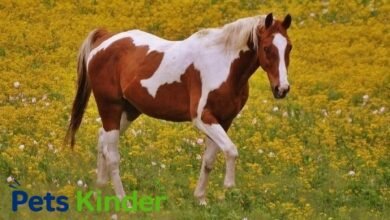
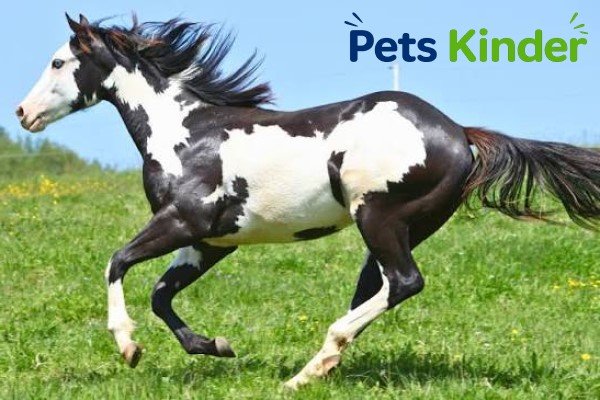
One of the most exciting features of this breed is the variety of Paint horse colors and patterns. Their coats can display beautiful combinations of white with black, brown, chestnut, or other shades. These patterns make each horse look unique because no two coat designs are exactly the same.
The most recognized patterns include tobiano, overo, and tovero. Tobiano horses usually have large areas of white crossing their backs, while overo patterns often feature irregular white markings along the body. Tovero horses display characteristics from both patterns, creating an even more distinctive appearance.
Because of their eye-catching designs, many people are attracted to these horses simply because of their appearance. Nevertheless, their personality, health, and training should always be considered more important than coat color alone.
Diet and Nutrition Requirements for a Healthy Paint Horse
Proper nutrition is essential for maintaining the strength and energy of any horse. A Paint horse requires a balanced diet that typically includes quality hay, fresh water, minerals, and appropriate grains depending on activity level. Their nutritional needs can change based on age, workload, health condition, and body weight.
Furthermore, owners should avoid overfeeding because excessive calories can lead to weight-related problems. Regular monitoring helps maintain a healthy body condition and prevents issues connected with poor nutrition. Providing access to clean water and consistent feeding schedules also supports digestion and overall wellness.
Care, Grooming, and Daily Maintenance
Caring for a Paint horse involves regular grooming, exercise, and health checks. Grooming not only keeps the coat clean but also strengthens the relationship between the horse and owner. Brushing helps remove dirt, improves circulation, and allows owners to notice any unusual skin conditions or injuries early.
Additionally, hoof care is extremely important because healthy feet support movement and prevent discomfort. Regular farrier visits, dental care, vaccinations, and parasite control are necessary parts of responsible ownership. A well-maintained horse is more likely to remain active and comfortable throughout its life.
Common Health Issues and Prevention Tips
Although generally healthy, Paint horses can experience certain health concerns. Some may be affected by genetic conditions associated with specific color patterns, while others may develop common equine problems such as joint issues, digestive disorders, or skin conditions.
Preventive care remains the best approach. Regular veterinary examinations, proper nutrition, exercise, and a clean living environment can reduce many risks. Owners should also pay attention to changes in behavior, appetite, or movement because early detection often leads to better outcomes.
Lifespan and Long-Term Commitment
A well-cared-for Paint horse can often live between 25 and 30 years, depending on genetics, lifestyle, and quality of care. This long lifespan means ownership requires serious commitment and planning. Horses need consistent attention, financial investment, and daily management throughout their lives.
Before bringing one home, potential owners should consider space requirements, feeding costs, veterinary care, and time availability. A horse is not only a recreational animal but also a long-term responsibility that depends on human care and dedication.
Finding a Paint Horse for Sale and Choosing the Right One
People searching for a Paint horse for sale should carefully evaluate the horse’s health, training level, temperament, and background. A beautiful appearance does not always guarantee a suitable match, so buyers should consider their own riding experience and goals before making a decision.
Furthermore, meeting the horse in person, observing its behavior, and asking detailed questions about its history can help avoid future challenges. Responsible sellers usually provide information about health records, training, and care requirements. Taking time during the selection process creates a better experience for both horse and owner.
Famous Horse Lovers and Their Influence on Equestrian Culture
Many famous personalities have helped inspire appreciation for horses and responsible animal care. One notable example is actor and horse enthusiast Robert Redford, who has supported equestrian culture through his connection with western traditions and storytelling. His work has helped many people recognize the relationship between humans, animals, and nature.
Although owning a horse requires more responsibility than simply admiring them, positive influences from well-known horse supporters encourage people to learn more about proper care and respect for these incredible animals.
Final Thoughts on Choosing a Paint Horse
The Paint horse represents a perfect combination of beauty, intelligence, versatility, and companionship. With its unique patterns, strong personality, and athletic abilities, it continues to capture the hearts of horse lovers around the world. However, owning one requires preparation, patience, and a commitment to proper care.
For those ready to provide a healthy environment and consistent attention, this breed can become a rewarding lifelong partner. Understanding its needs before ownership helps create a stronger connection and ensures the horse enjoys a happy, active, and comfortable life.