Salamanders Uncovered: The Fascinating Truth About These Ancient, Misunderstood Creatures

Most people have stumbled across a salamander at some point maybe under a log in the backyard, near a stream on a rainy hike, or peering out from a mossy crevice. And yet, despite being one of nature’s most widespread and ecologically important amphibians, salamanders remain surprisingly misunderstood. Are they dangerous? What do they actually eat? Can you keep one as a pet? The answers are far more interesting than most people expect, and this guide covers everything worth knowing from wild behavior to life in captivity.
What Are Salamanders, Exactly?
Salamanders are amphibians belonging to the order Urodela, a group that includes more than 700 known species distributed across North America, Europe, Asia, and parts of South America. They share the moist, secretive lifestyle typical of amphibians most species require damp environments to survive since their skin plays a critical role in gas exchange and hydration. Unlike frogs, salamanders retain their tails throughout life, giving them a slender, lizard-like silhouette that often confuses people unfamiliar with the difference between amphibians and reptiles.
Salamanders vary enormously in size. The Chinese giant salamander (Andrias davidianus) holds the record as the world’s largest living amphibian, reaching lengths of nearly six feet. On the other end of the scale, the pygmy salamander (Desmognathus wrighti) measures barely an inch. Most species that hobbyists encounter or keep as pets fall somewhere between four and ten inches in length.
Are Salamanders Poisonous?
This is the question people ask most often, and the honest answer is: it depends on the species. So, are salamanders poisonous? Many of them are, at least to some degree. Salamanders produce skin secretions through granular glands distributed across their bodies. In some species, these secretions are mildly irritating; in others, they’re genuinely dangerous.
The Most Toxic Species
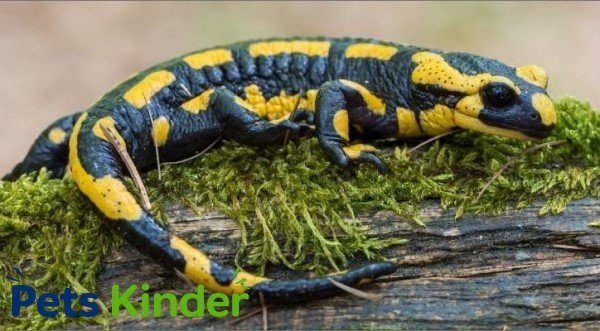
The fire salamander (Salamandra salamandra) of Europe produces samandarine, a steroidal alkaloid that can cause muscle convulsions and hypertension in predators and serious harm to small mammals that attempt to eat one. The rough-skinned newt (Taricha granulosa) of the Pacific Northwest carries tetrodotoxin, the same neurotoxin found in puffer fish, making it lethal to most predators in sufficient doses. There are documented cases of humans dying after ingesting these newts on a dare a grim reminder that “it’s just a salamander” is never the right attitude.
What About Pet Species?
Most commonly kept species axolotls, tiger salamanders, and spotted salamanders produce only mild secretions that pose little real danger to healthy adults. That said, you should always wash your hands thoroughly after handling any salamander and never touch your eyes or mouth afterward. The secretions that are harmless to your skin can cause real irritation to mucous membranes. Handling should also be minimized for the animal’s sake — their skin absorbs substances from your hands, including lotions, soaps, and natural oils, all of which can stress or harm them.
What Do Salamanders Eat?
Understanding what do salamanders eat is essential whether you’re observing them in the wild or caring for one in captivity. Salamanders are carnivores across the board there are no herbivorous species in this order. Their diet consists primarily of invertebrates, though larger species readily take vertebrate prey.
Wild Diet
In the wild, salamanders eat earthworms, slugs, snails, beetles, crickets, small spiders, and fly larvae. Aquatic species and larvae also consume aquatic invertebrates and, in some cases, small fish or tadpoles. They hunt primarily by ambush, using their sticky, projectile-capable tongues to snag prey with remarkable speed and precision.
Captive Diet
In captivity, the feeding routine depends heavily on the species. Axolotls thrive on earthworms, bloodworms, and high-quality axolotl pellets. Tiger salamanders accept crickets, mealworms, earthworms, and occasional waxworms as a fatty treat. Spotted salamanders do well on gut-loaded crickets and earthworms. As a general rule, feed adults every two to three days and juveniles daily. Always remove uneaten prey items from the enclosure promptly live prey left unattended can stress or even injure the animal.
Calcium and vitamin supplementation matters, especially in captivity where the diet lacks the natural variety of the wild. Dusting prey items with a calcium/D3 supplement two to three times per week supports bone health and prevents metabolic bone disease, a common issue in captive amphibians fed an unsupplemented diet.
Famous Salamanders Worth Knowing
When it comes to famous salamanders, a few species stand out either for their scientific significance, their unusual biology, or their cultural presence.
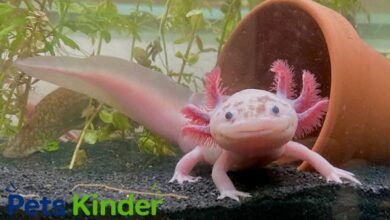
The axolotl (Ambystoma mexicanum) is undoubtedly the most famous salamander in the world. Native to lake systems near Mexico City, it displays neoteny the rare ability to retain larval features (including external gills) throughout its entire life without undergoing metamorphosis. Scientists study axolotls intensively for their extraordinary regenerative abilities; they can regrow entire limbs, portions of the heart, and even parts of the brain. Unfortunately, the axolotl is critically endangered in the wild, though it thrives in captivity and remains one of the most popular exotic pets in the amphibian hobby.
The mudpuppy (Necturus maculosus) is another permanently aquatic, neotenic species native to North America. Like the axolotl, it retains its external gills for life. The hellbender (Cryptobranchus alleganiensis) is North America’s largest native salamander, reaching up to two and a half feet, and serves as a critical indicator species for clean waterway health. In Japanese folklore, the giant salamander is called hanzaki and features prominently in regional mythology as a creature of rivers and floods.
Salamanders for Sale: What to Know Before You Buy
If you’re considering keeping one, you’ll find several species available as salamanders for sale through reptile expos, specialty amphibian breeders, and online retailers. The axolotl dominates the captive market due to its relatively straightforward care requirements and undeniable visual appeal. Tiger salamanders and fire-bellied newts also appear frequently and make solid choices for beginners.
Always buy captive-bred animals. Wild-caught salamanders carry a significantly higher parasite load, stress poorly in captivity, and their collection puts pressure on wild populations that are already declining due to habitat loss and chytrid fungal disease. A healthy captive-bred salamander costs between $20 and $80 for common species; rare color morphs of axolotls like the piebald or mosaic varieties can command $100 to $300 or more.
Health, Care, and Common Issues
Chytrid Fungus
Batrachochytrium dendrobatidis (Bd), the chytrid fungus, has devastated amphibian populations globally and poses a genuine risk in captive collections where biosecurity is poor. Symptoms include lethargy, loss of appetite, abnormal skin shedding, and unusual posturing. Treatment with antifungal medications under veterinary guidance is possible if caught early. Quarantining all new animals for at least 30 to 60 days before introducing them to established collections is non-negotiable.
Bacterial and Fungal Skin Infections
Red leg disease a bacterial infection characterized by reddening of the limbs and abdomen is common in stressed or immunocompromised salamanders kept in dirty or overly warm conditions. Fungal infections appear as cottony white patches on the skin. Both conditions respond well to treatment when caught early, but prevention through clean water, appropriate temperatures, and low-stress housing is far more effective than reactive treatment.
Enclosure Requirements
Most temperate salamander species prefer cool environments typically 55 to 68°F. Axolotls require water temperatures between 60 and 68°F and suffer heat stress above 72°F. Overheating is one of the most common causes of illness and death in captive salamanders, so temperature management is critical. Use a hygrometer and thermometer to monitor conditions consistently. Terrestrial species need a substrate that retains moisture — coconut fiber, sphagnum moss, or a bioactive soil mix all work well.
Salamanders Lifespan: Planning for the Long Haul
Salamanders lifespan data varies dramatically by species. Small woodland species like the red-backed salamander typically live 5 to 10 years in the wild. Tiger salamanders commonly reach 10 to 16 years in captivity with proper care. Axolotls frequently live 10 to 15 years, sometimes longer. The Chinese giant salamander holds the record for amphibian longevity, with some individuals documented at over 60 years old though this species is not available in the pet trade.
The key takeaway is that adopting a salamander is a long-term commitment. Unlike goldfish, these animals don’t have short, disposable lifespans. A well-cared-for axolotl purchased today may still be with you in 2040. That reality should inform every aspect of the decision to bring one home.
Final Thoughts
Salamanders occupy a fascinating corner of the animal kingdom ancient in their lineage, extraordinary in their biology, and far more complex than their quiet, unassuming appearance suggests. Whether you’re drawn to them as a naturalist, a hobbyist, or simply someone who stumbled across one in the garden and got curious, understanding these animals deeply changes how you see them. They’re not slimy, scary, or dangerous to keep they’re remarkable creatures that reward patience, respect, and genuine curiosity with one of the most unique pet-keeping experiences available anywhere in the hobby.