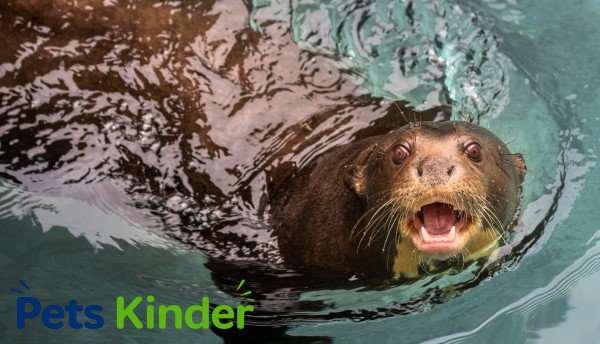
There’s nothing quite like spotting a giant otter in the wild. These remarkable animals move through South American rivers with a speed and confidence that immediately commands attention. Known scientifically as Pteronura brasiliensis, the giant river otter is the world’s longest otter species and one of the most socially complex, vocally expressive, and ecologically important predators in the Amazon basin. Yet despite their extraordinary nature, giant otters remain critically endangered and widely misunderstood.
What Exactly Is a Giant Otter?
The giant otter belongs to the family Mustelidae, which also includes weasels, badgers, and wolverines. Within that family, it holds the title of the longest mustelid on earth. Found primarily in South America especially in the Amazon, Orinoco, and La Plata river systems giant river otters thrive in slow-moving rivers, lakes, swamps, and flooded forest environments. They are semi-aquatic mammals that are equally at home on land as they are gliding through murky river water.
Unlike the solitary sea otter of the Pacific coast, giant otters are intensely social animals. They live in close-knit family groups of two to twenty individuals, with a dominant breeding pair at the center. These groups are vocal, territorial, and fiercely protective of their young. In fact, their loud, coordinated group defense against predators like caimans and anacondas has earned them a well-deserved nickname among indigenous communities: the river wolf.
Giant Otter Size: How Big Do They Actually Get?
Giant otter size is one of the most striking things about this species, and it genuinely surprises most people the first time they see one up close. Adult giant river otters typically measure between 5.6 and 5.9 feet in total length, including their powerful, flattened tail. Some exceptional individuals push past 6 feet. Males generally run larger than females, but both sexes are unmistakably massive compared to any other otter species in the world.
Giant Otter Size to Human: A Surprising Comparison
When you compare giant otter size to human proportions, the results are genuinely eye-opening. A fully grown giant otter stretched out can reach the shoulder height of an average adult human when measured from nose to tail tip. In terms of weight, these animals range from 49 to 71 pounds, with large males occasionally exceeding 75 pounds. Their muscular, elongated bodies and wide, webbed feet make them look far more powerful in person than any photo fully captures. Standing beside one which wildlife researchers occasionally do puts their sheer scale into immediate perspective.
Physical Build and Distinctive Markings
Beyond their impressive giant river otter size, these animals have a striking physical appearance. Their dense, velvety fur ranges from chocolate brown to reddish-brown, and each individual sports a unique cream or white throat patch a natural ID tag that researchers use to identify individuals in the field. Their ears are small and rounded, their eyes face forward for excellent binocular vision, and their muzzle is broad and whiskered. The tail, which accounts for roughly a third of their body length, is laterally flattened and paddle-like, generating enormous thrust underwater.
Diet and Nutrition: What Giant Otters Eat
Giant otters are apex predators in their aquatic environment, and their diet reflects that status. Fish make up the overwhelming majority of what giant river otters eat typically accounting for 80 to 90 percent of their daily intake. They show a strong preference for large, slow-moving species like catfish, perch, and characins. However, giant otters are opportunistic hunters and will readily take caiman juveniles, river turtles, snakes, and large crustaceans when the opportunity presents itself.
Daily Food Requirements and Hunting Strategy
A single adult giant otter consumes roughly 6 to 9 pounds of food per day. For a family group of eight to ten animals, that means the group collectively hunts and consumes an enormous quantity of fish daily. Giant otters hunt cooperatively, which sets them apart from most other otter species. A family group will spread out across a river section, drive fish toward shallower water, and close in simultaneously a coordinated strategy that dramatically improves hunting success. After catching a fish, they typically consume it headfirst while still floating, using their strong forepaws to grip their prey firmly.
Social Behavior and Communication
The social life of giant otters is one of the most fascinating aspects of the species. Family groups maintain a strict home range, which they actively defend against rival groups and other predators. They mark territory using latrines communal defecation sites near riverbanks and use scent glands near the base of their tail to deposit chemical signals. Territorial disputes between neighboring groups can become intense, involving loud vocalizations, physical posturing, and occasionally direct confrontation.
Giant otters are among the most vocal mammals in the animal kingdom relative to their size. Researchers have identified at least nine distinct vocalizations, including explosive snorts used as alarm calls, wavering screams during aggressive encounters, humming sounds that signal contentment, and high-pitched squeaks from young cubs calling for their parents. This rich vocal repertoire helps the group stay coordinated while hunting, traveling, and defending territory a level of communication complexity that continues to fascinate wildlife biologists.
Reproduction, Lifespan, and Long-Term Considerations
Giant otters reach sexual maturity at around two to three years of age. The dominant breeding pair within a family group is the only pair that typically reproduces, while other group members usually older offspring from previous years help raise the new cubs. After a gestation period of approximately 65 to 70 days, females give birth to litters of one to five cubs, with two being most common. Cubs are born blind and helpless inside a den dug into the riverbank, often concealed under dense vegetation.
Cub Development and Family Dynamics
Cubs open their eyes at around four weeks and begin taking their first swimming lessons by six to eight weeks. The entire family group participates in cub rearing a cooperative breeding system that significantly increases cub survival rates. Young giant otters remain with their family group for up to two years before eventually dispersing to form their own breeding pairs. In the wild, giant otters typically live between 8 and 10 years, though individuals in well-protected reserves have reached 12 to 14 years in exceptional cases.
Health, Threats, and Common Diseases
In the wild, giant otters face health challenges from a range of parasites and infectious diseases. Canine distemper virus poses a serious threat to otter populations near human settlements, particularly in areas where domestic dogs roam freely along riverbanks. Parvovirus and rabies are additional viral threats. Internal parasites including roundworms, tapeworms, and lungworms commonly affect wild populations, particularly in degraded habitats where prey quality and diversity have declined due to overfishing or pollution.
Environmental and Human-Caused Health Risks
Mercury poisoning from illegal gold mining operations represents one of the most severe and growing health threats facing giant river otters today. Mercury contaminates river systems and bioaccumulates through the food chain, reaching dangerous concentrations in the large fish that giant otters rely on. Studies from Brazil and Peru have detected alarming mercury levels in otter fur and blood samples from mining-affected regions. Additionally, habitat loss from deforestation, dam construction, and agricultural expansion directly reduces the quality and availability of the riverine environments these animals need to survive.
Conservation Status and Why It Matters
The International Union for Conservation of Nature currently lists the giant otter as Endangered on its Red List. Population estimates suggest fewer than 5,000 individuals remain in the wild, scattered across fragmented river systems in South America. The species was nearly hunted to extinction during the 20th century, when the fur trade decimated populations across the continent. Although international fur trade protections have been in place since 1973, recovery has been slow and uneven, with many river systems still too degraded or disturbed to support stable otter populations.
Famous Advocates and Growing Awareness
Conservation awareness around endangered species like the giant otter has benefited greatly from high-profile advocates who use their platforms to spotlight biodiversity loss. Sir David Attenborough, the legendary British broadcaster and natural historian whose decades of wildlife documentary work have brought species like the giant otter into living rooms around the world, has consistently emphasized the devastating pace of habitat destruction in the Amazon basin. His documentary series and public commentary have influenced millions of people to take freshwater biodiversity and river ecosystem protection more seriously something that directly benefits the long-term survival prospects of giant otters.
Giant Otters in Ecotourism and Research
In parts of Brazil, Peru, and Bolivia, giant otter family groups have become significant ecotourism draws. Manu National Park in Peru and the Pantanal wetlands of Brazil host some of the most reliably observable wild populations in existence. Responsible wildlife tourism, when properly managed, generates local economic incentives to protect river habitats and curb poaching. Additionally, long-term field research programs many now running for two or more decades have produced invaluable data on otter population dynamics, territory use, and breeding success that inform active conservation planning across the species’ remaining range.
Final Thoughts on the Giant River Otter
The giant otter is not just a large, charismatic animal it is a keystone species whose presence signals a healthy, functioning river ecosystem. Their decline is a warning about the broader collapse of Amazonian freshwater biodiversity. Understanding giant otter size, behavior, diet, and the threats they face is the first step toward appreciating why protecting them matters so deeply. These animals have survived millions of years of evolution only to face their greatest threat in the last century at human hands. With sustained effort, stronger habitat protections, and growing global awareness, the giant river otter still has a fighting chance.