You’re moving a woodpile, pulling weeds, or reaching into a dark corner of the garage and suddenly you feel a sharp sting. Your first instinct might be to panic, especially if you catch a glimpse of a large, fast-moving spider retreating into the shadows. If it was a wolf spider, you’re probably wondering how serious the situation actually is. A wolf spider bite is one of the more common spider encounters in North America, and while it can be genuinely unpleasant, it’s rarely life-threatening. Still, knowing what to expect, what to watch for, and when to seek help makes all the difference.
This article covers everything you need to know from what a wolf spider bite looks like and how much it hurts, to what happens when a baby wolf spider bites and how to treat symptoms at home effectively.
Understanding the Wolf Spider: A Quick Overview
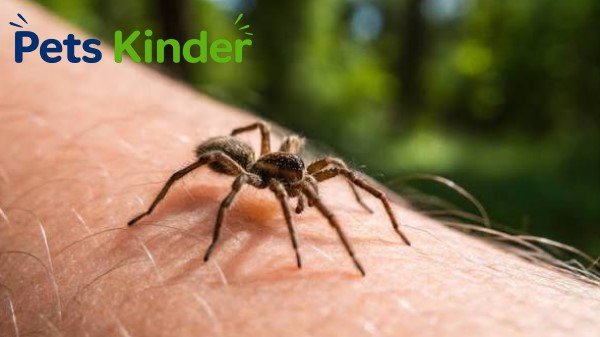
Before diving into the bite itself, it helps to understand what you’re dealing with. Wolf spiders belong to the family Lycosidae and are found throughout the United States, Canada, and most of the world. Unlike web-spinning spiders, wolf spiders are active hunters. They chase down their prey on foot, which means they move quickly, live close to the ground, and often end up inside homes, garages, basements, and gardens. They’re large some species reach two inches in body length hairy, and typically dark brown or gray with patterned markings that provide camouflage in leaf litter and soil.
Are Wolf Spiders Aggressive?
One of the most common misconceptions about wolf spiders is that they’re aggressive toward humans. In reality, wolf spiders are shy and prefer to flee rather than fight. They bite only when they feel cornered, threatened, or are accidentally pressed against skin like when someone reaches under a log or rolls over in bed onto one. So while can a wolf spider bite you is a valid concern, the more accurate framing is: yes, it can but it almost certainly won’t unless you give it no other option. These spiders have no interest in human beings as prey or as enemies.
Identifying a Wolf Spider
Wolf spiders are often mistaken for brown recluse spiders, which creates unnecessary alarm. The key differences are important to know. Wolf spiders have eight eyes arranged in three distinct rows four small eyes on the bottom, two large forward-facing eyes in the middle, and two medium eyes on top. This eye arrangement gives them excellent night vision and is unique to the species. Brown recluse spiders, by contrast, have six eyes and a distinctive violin-shaped marking on their backs. Getting the identification right matters because the two bites require very different responses.
What Does a Wolf Spider Bite Look Like?
If you’ve been bitten and you’re trying to figure out what does a wolf spider bite look like, here’s what to expect. Initially, the bite site typically appears as a small red mark similar in appearance to a bee sting or mosquito bite sometimes with two tiny puncture marks visible at the center if you look closely. The surrounding skin usually becomes red, slightly swollen, and warm to the touch within the first few hours. In most people, the reaction stays localized to that area and doesn’t spread significantly.
How the Bite Progresses Over Time
Over the next 24 to 48 hours, the bite site may develop a slightly raised welt, and itching is very common. Some people experience mild bruising around the area, giving the skin a mottled red-to-purple appearance. In individuals with sensitive skin or mild allergic responses, the swelling can be more pronounced, but it rarely extends far beyond the immediate bite zone. Unlike a brown recluse bite which can cause tissue death and open ulceration a wolf spider bite does not typically cause necrosis. The skin heals cleanly in most cases within a week to ten days.
Signs That Warrant Immediate Medical Attention
While most wolf spider bites resolve without complications, certain symptoms signal that something more serious may be happening. Seek medical care promptly if you notice rapidly spreading redness or red streaks moving away from the bite site this can indicate a secondary bacterial infection. Severe swelling that extends well beyond the bite area, difficulty breathing, dizziness, nausea, or a racing heart are also red flags, particularly in people with known allergies. These systemic symptoms may point to an allergic reaction rather than a typical venom response, and they require professional evaluation without delay.
Does a Wolf Spider Bite Hurt?
Honest answer: yes. Does a wolf spider bite hurt? More than most people expect, especially given how often these spiders are described as “harmless.” The bite itself feels like a sharp, burning sting at the moment of contact noticeably more intense than a typical insect bite. Wolf spiders have large, strong chelicerae (fangs), and they’re built to physically subdue prey, so the mechanical puncture alone creates more tissue disruption than a mosquito or ant bite. The initial sharp pain usually gives way to a dull, throbbing ache that can persist for several hours.
Pain Levels and Individual Variation
How much a wolf spider bite hurts varies considerably from person to person. Children, elderly individuals, and people with sensitive immune systems tend to experience more intense reactions. The location of the bite also plays a role bites on the face, neck, or hands tend to swell more and feel more painful than those on thicker-skinned areas like the back or thighs. Generally speaking, the pain peaks within the first few hours and gradually diminishes over the next day or two. Over-the-counter pain relievers like ibuprofen or acetaminophen are usually sufficient to manage discomfort effectively.
Baby Wolf Spider Bite: Is It Different?
This is a question that comes up more often than you’d think. A baby wolf spider bite from a juvenile spider rather than a mature adult is generally less intense than a bite from a full-grown specimen, simply because smaller spiders have smaller fangs and less venom. However, that doesn’t mean it’s entirely without consequence. Younger wolf spiders are fully capable of breaking human skin, particularly in areas where the skin is thinner or softer. The symptoms are typically milder: less initial pain, smaller local reaction, and faster resolution.
Interestingly, wolf spider mothers carry their egg sacs and then their newly hatched spiderlings on their backs sometimes dozens at a time. This means that disturbing a female wolf spider with young attached can result in a startling scatter of tiny spiders, which understandably alarms people. While the bite of a single baby wolf spider is unlikely to cause any notable reaction in a healthy adult, multiple bites from a disturbed cluster could create compounding irritation. In that scenario, clean the area thoroughly and monitor for any signs of infection.
Treatment: What to Do After a Wolf Spider Bite
Fortunately, treating a wolf spider bite at home is straightforward in the vast majority of cases. Start by washing the bite area thoroughly with soap and water this removes any surface bacteria and reduces the risk of secondary infection significantly. Apply a cold compress or ice pack wrapped in a cloth to reduce swelling and numb the immediate pain. Elevating the affected limb, if the bite is on an arm or leg, also helps minimize swelling in the hours following the bite.
Medications and Home Remedies
Antihistamines like diphenhydramine can help manage itching and mild allergic responses. Hydrocortisone cream applied topically reduces inflammation and soothes irritated skin. Avoid scratching the bite site, even when itching is intense broken skin invites bacterial infection, which can turn a minor irritation into a more serious wound requiring antibiotics. Most people find that consistent basic wound care is all they need, and the bite resolves fully within a week without any medical intervention.
Famous Encounters and Public Awareness
Naturalist and wildlife educator Coyote Peterson, best known for his widely followed YouTube channel Brave Wilderness and his book series on dangerous animals, has voluntarily subjected himself to the bites and stings of numerous creatures in the name of public education. While Peterson is most famous for his encounters with insects on the Schmidt Pain Index, his broader work on spider awareness has helped millions of viewers understand the difference between genuinely dangerous spiders and misunderstood species like the wolf spider. His hands-on approach to demystifying wildlife has shaped how a generation of outdoor enthusiasts thinks about spider encounters replacing fear with informed respect.
Long-Term Considerations and Prevention
For the vast majority of healthy adults, a wolf spider bite leaves no lasting effects whatsoever. The skin heals completely, and there’s no venom residue or long-term tissue damage to worry about. However, anyone who experiences an unusually severe reaction should follow up with a healthcare provider to rule out allergy sensitization, which can make future bites more intense. People with compromised immune systems, diabetes, or circulatory issues should be more cautious, as any skin wound in those populations carries a higher risk of complications.
How to Reduce Wolf Spider Encounters
Prevention is always better than treatment. Wolf spiders enter homes in search of prey mainly insects so reducing the insect population inside your home goes a long way toward keeping wolf spiders out. Seal cracks around doors, windows, and foundation walls. Keep woodpiles, compost, and debris away from the exterior of your home, as these are prime wolf spider habitat. Inside, shake out shoes, gloves, and clothing that have been stored in dark areas before putting them on this simple habit prevents the majority of accidental wolf spider bites that happen indoors.
Protective Measures for Outdoor Activities
If you spend time gardening, hiking, or doing outdoor work in areas where wolf spiders are common, wearing gloves is the single most effective protective measure available. Long sleeves and closed-toe shoes also reduce exposure significantly. When moving rocks, logs, or debris, use a tool rather than your bare hands to disturb the material first, giving any resident spiders a chance to flee before you reach in. These habits, practiced consistently, make accidental wolf spider bites genuinely rare even for people who spend a great deal of time outdoors.
Final Thoughts on the Wolf Spider Bite
A wolf spider bite is painful, sometimes alarming in appearance, and understandably unsettling but it is not the medical emergency that many people fear. Understanding what does a wolf spider bite look like, knowing that does a wolf spider bite hurt has a clear and honest answer, and being prepared for the possibility of a baby wolf spider bite all put you in a far stronger position to respond calmly and effectively. Respect the spider, take sensible precautions, and know that in the overwhelming majority of cases, the wolf spider bite story ends with nothing more than a few days of minor discomfort and a memorable anecdote.