The Living Wonder That Refuses to Grow Up: Everything You Need to Know About Axolotls

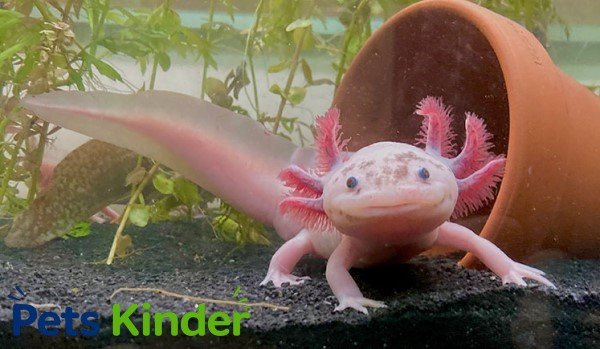
Axolotls are one of nature’s most extraordinary creatures and once you learn about them, it’s nearly impossible not to be fascinated. With their feathery, crown-like gills, wide-set eyes, and that perpetual smile, they look almost like something dreamed up for a fantasy novel. But axolotls are very real, and they’re far more remarkable than their appearance alone suggests. Whether you’re considering keeping one as a pet or simply curious about this strange amphibian, this guide covers everything from their biology to their care needs, diet, and health.
What Exactly Is an Axolotl?
A Salamander Frozen in Time
The axolotl (Ambystoma mexicanum) is a type of salamander native to the ancient lake system beneath Mexico City, particularly Lake Xochimilco. What sets axolotls apart from virtually every other amphibian on the planet is a phenomenon called neoteny the retention of juvenile traits into adulthood. Unlike most salamanders, which undergo a dramatic metamorphosis from aquatic larvae to land-dwelling adults, axolotls never make that transition. They remain permanently aquatic, keeping their external gills, dorsal fin, and larval body structure throughout their entire lives.
This isn’t a developmental flaw. It’s an evolutionary strategy. Axolotls sexually mature and reproduce while still in their larval form, which is something most amphibians simply don’t do. Scientists have been captivated by this trait for over a century, and it’s one of the main reasons axolotls are so extensively studied in laboratories worldwide.
Physical Characteristics That Make Them Unmistakable
Axolotls are immediately recognizable once you’ve seen one. Their most striking feature is the three pairs of feathery external gills extending from either side of their head like a flamboyant crown. These gills are rich in blood vessels and come in a range of colors depending on the individual’s genetics.
Adult axolotls typically grow between 9 and 12 inches in length, though some individuals reach up to 18 inches. Their bodies are stocky and somewhat flattened, with four short limbs and a long, laterally compressed tail. In the wild, axolotls are typically dark brown or black with golden flecks. However, captive breeding has produced an astonishing variety of color morphs, including:
- Leucistic – pale pink or white body with pink eyes
- Albino – white or golden body with red eyes
- Golden albino – bright yellow or peachy-gold
- Melanoid – deep black with no gold flecks
- Wild type – brownish-green resembling their natural appearance
- Mosaic – a rare, patchy mix of multiple colors
Each morph is the result of selective breeding, and some, like the mosaic, occur spontaneously and can’t be bred intentionally.
Diet and Nutrition
What Do Axolotls Eat?
In the wild, axolotls are opportunistic carnivores. They hunt by sucking prey into their mouths with a rapid, vacuum-like motion. Their diet naturally includes small fish, worms, insects, crustaceans, and mollusks. They have tiny, vestigial teeth that aren’t really suited for chewing instead, they use them lightly to grip prey before swallowing it whole.
In captivity, a well-balanced axolotl diet typically centers around:
- Earthworms – widely considered the gold standard of axolotl food; nutritionally complete, easy to digest, and almost universally accepted
- Bloodworms – great as an occasional treat, though not ideal as a staple due to low nutritional density
- Nightcrawlers – larger worms suitable for adult axolotls
- Axolotl pellets – commercial foods like Hikari brand sinking pellets are a practical everyday option
- Frozen brine shrimp or daphnia – useful for young axolotls or as variety
How Often Should You Feed Them?
Juvenile axolotls (under 6 months) need daily feeding because they’re growing quickly and have high metabolic demands. Adult axolotls, on the other hand, only need feeding every two to three days. Overfeeding is a common mistake and can lead to serious health complications. Always remove uneaten food promptly within a few hours to keep water quality from deteriorating.
Care Requirements and Habitat Setup
Creating the Right Environment
Axolotls are cold-water animals and that’s a detail you absolutely cannot overlook. Their ideal water temperature sits between 60°F and 68°F (16°C–20°C). Temperatures above 74°F (23°C) become stressful and can trigger illness or death. This makes them challenging to keep in warm climates without an aquarium chiller.
A single adult axolotl needs at least a 20-gallon tank, though a 40-gallon breeder tank is far more appropriate and gives them room to move comfortably. Axolotls produce a significant amount of waste, so a robust filtration system is essential. However, they’re sensitive to strong water currents the filter output should be baffled or directed against the tank wall to reduce flow.
For substrate, fine sand is the safest choice. Gravel is genuinely dangerous because axolotls will sometimes accidentally ingest it while eating, leading to gut impaction a life-threatening condition. Many keepers opt for a bare-bottom tank for easier cleaning.
Water Parameters to Monitor
Maintaining stable water chemistry is critical. Target these parameters:
- Ammonia: 0 ppm
- Nitrite: 0 ppm
- Nitrate: below 20 ppm
- pH: 7.0–8.0
- Hardness: moderately hard (7–14 dGH)
Weekly 20–30% water changes help keep nitrates in check and maintain overall water quality.
Health, Common Issues, and Disease
Recognizing a Healthy Axolotl
A healthy axolotl is active during its feeding times, has full, fluffy gills, maintains a good appetite, and holds its body straight without floating or listing to one side. Gills curled forward or pressed against the head can indicate stress or poor water quality.
Common Health Problems
Fungal Infections
White, fuzzy patches on the skin or gills are typically signs of a fungal infection (Saprolegnia spp.). These often develop in response to poor water quality or physical injury. Mild cases can sometimes be treated with salt baths (non-iodized) or refrigerating the axolotl temporarily in dechlorinated water to suppress the fungal growth. More severe cases may require antifungal medication.
Impaction
As mentioned earlier, ingesting gravel is a leading cause of impaction. Symptoms include lethargy, loss of appetite, and a bloated abdomen. This is a veterinary emergency. Prevention through proper substrate selection is far more effective than treatment.
Parasites
External and internal parasites do occur in axolotls, particularly in those sourced from less reputable breeders. Symptoms vary but may include unusual lethargy, loss of appetite, abnormal feces, or visible spots on the skin. A vet experienced with exotic animals should evaluate and treat these cases.
Ammonia Poisoning
Spiking ammonia levels common in new or uncycled tanks can burn an axolotl’s gills and skin. Regular water testing and proper nitrogen cycle management are your best defenses.
The Incredible Regenerative Ability
One of the most scientifically remarkable things about axolotls is their regenerative capacity. They can regrow lost limbs, portions of their heart, sections of their spinal cord, and even parts of their brain. This trait has made them a model organism in regenerative medicine research. In captivity, injuries from tankmate aggression or accidental damage are usually not fatal given clean water and good nutrition, axolotls can recover from wounds that would be devastating for most animals.
Lifespan and Long-Term Considerations
How Long Do Axolotls Live?
With proper care, captive axolotls typically live between 10 and 15 years, and some individuals have reportedly reached 20 years. This is considerably longer than most people expect from an aquatic pet, so bringing an axolotl home is genuinely a long-term commitment.
Conservation Status
In the wild, axolotls are critically endangered. Urbanization, water pollution, invasive species like tilapia and carp, and habitat destruction have devastated wild populations in Lake Xochimilco. Captive axolotls, however, are thriving as pets and research animals, with millions kept worldwide. Importantly, captive populations are genetically distinct from wild ones and do not serve as a direct conservation solution but supporting legitimate conservation efforts for wild axolotls matters greatly.
Are Axolotls Right for You?
Axolotls are not beginner pets in the traditional sense. They require precise water conditions, cold temperatures, careful feeding schedules, and appropriate tank setups. They also cannot be housed with most other fish, which will nip at their delicate gills. That said, for a dedicated keeper willing to meet those requirements, they are deeply rewarding animals fascinating to observe, surprisingly interactive over time, and genuinely unlike anything else you can keep in an aquarium.
Their strange beauty, scientific significance, and quirky personalities have earned them a devoted following around the world and honestly, it’s not hard to see why.