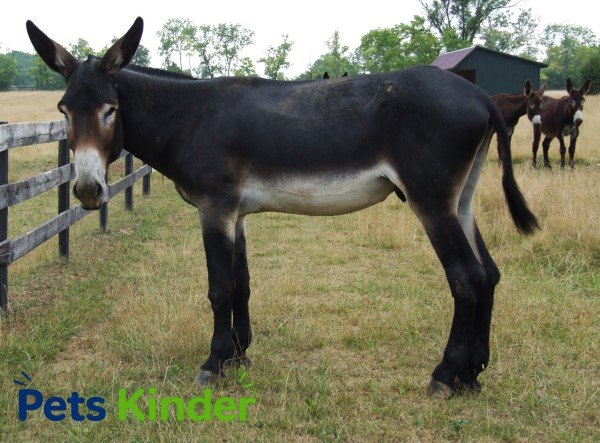
Meet America’s Tallest and Most Towering Donkey Breed
When most people picture a donkey, they imagine a small, stubborn animal trotting along a dusty trail. The mammoth donkey shatters that image entirely. Standing taller than many horses and carrying an unmistakable presence, this breed has earned a reputation for being both impressively large and surprisingly gentle. Whether you’re a farmer, breeder, or simply curious about unusual livestock, the mammoth donkey deserves a closer look.
The Origins and Purpose Behind This Massive Breed
George Washington himself played a role in popularizing this breed within American agriculture, importing Spanish and French donkeys to develop larger working stock. Over generations, careful breeding produced what we now know as the mammoth donkey, a breed specifically designed for strength and size. Farmers originally valued this animal for breeding mules, since larger donkeys produced larger, more capable offspring for demanding farm labor.
Today, the mammoth donkey serves multiple purposes beyond mule production. Many owners keep them as companion animals, guard animals for livestock, or even as therapy animals due to their calm temperament. Despite their working-class origins, modern breeders have increasingly focused on preserving genetic diversity, since the American Mammoth Jackstock breed became critically endangered after mechanized farming reduced demand for draft animals.
Understanding Mammoth Donkey Size and Physical Traits
So, how tall is mammoth donkey compared to other breeds? Generally speaking, jacks (males) must stand at least 56 inches at the withers, while jennies (females) require a minimum of 54 inches for official breed registration. Many individuals exceed these minimums significantly, with some exceptional jacks reaching 60 inches or taller, making them genuinely imposing animals up close.
When discussing mammoth donkey size in terms of weight, adults typically range between 900 and 1,200 pounds depending on sex and individual genetics. This substantial mass, combined with their height, gives the breed a powerful, muscular appearance unlike smaller donkey varieties. Their large heads, long ears, and sturdy legs further emphasize just how different this breed looks compared to miniature or standard donkeys.
Coat colors vary widely, though black, brown, and gray remain the most common shades seen throughout registered bloodlines. Interestingly, despite their massive frame, the mammoth donkey maintains the same gentle facial expression and expressive ears that make smaller donkeys so endearing. This combination of size and approachability often surprises first-time visitors expecting a more intimidating temperament.
Mammoth Donkey vs Horse: Key Differences Worth Knowing
People frequently wonder about mammoth donkey vs horse comparisons, especially given their similar height ranges. While both animals can reach comparable sizes, donkeys generally possess a stockier build, larger ears, and a different vocal call entirely. Additionally, the mammoth donkey vs horse temperament comparison often favors donkeys for calmness, since they tend to think through situations rather than react impulsively like many horse breeds.
Dietary needs also differ significantly when comparing mammoth donkey vs horse requirements. Donkeys evolved in arid regions, meaning they need less protein and fewer calories than horses of similar size. Therefore, feeding a mammoth donkey like a horse can lead to serious health complications, including obesity and metabolic disorders that affect their hooves and overall mobility.
Comparing the Mammoth Donkey vs Mule
Understanding mammoth donkey vs mule distinctions matters for anyone considering either animal. Mules are actually the offspring of a male donkey and a female horse, meaning the mammoth donkey often serves as the genetic foundation for producing larger, stronger mules used in ranching and pack work. Essentially, without this breed, many of today’s premium mules simply wouldn’t exist.
Physically, the mammoth donkey vs mule comparison reveals distinct differences in body proportion and behavior. Mules typically display more horse-like characteristics in their gait and energy levels, while pure donkeys maintain that classic deliberate, thoughtful movement style. Both animals, however, share impressive strength and endurance, making them valuable for demanding agricultural work across various terrains.
Proper Diet and Nutrition for Optimal Health
Feeding a mammoth donkey correctly requires understanding their unique digestive system, which differs from horses despite similar appearances. High-quality grass hay should form the foundation of their diet, supplemented with minimal grain unless the animal performs heavy labor regularly. Overfeeding remains one of the most common mistakes new owners make, often leading to dangerous weight gain.
Mineral supplementation, particularly salt and trace minerals, helps maintain proper health without adding excessive calories. Since the mammoth donkey originated in semi-arid environments, their bodies efficiently extract nutrients from sparse vegetation, meaning lush pasture access should be limited and carefully monitored. Fresh water, naturally, must always remain available regardless of season or activity level.
Common Health Concerns and Long-Term Care
Hoof care ranks among the most critical aspects of maintaining a healthy mammoth donkey, since overgrown or improperly trimmed hooves lead to painful complications. Regular trimming every six to eight weeks prevents issues like white line disease and abscesses. Additionally, this breed shows particular sensitivity to obesity-related conditions, making weight management absolutely essential for long-term wellbeing.
Parassite control through regular deworming protocols also plays a significant role in preventing health complications. Dental care matters too, since malocclusion can develop over time and interfere with proper chewing and digestion. Routine veterinary checkups, ideally twice yearly, help catch potential problems early before they develop into more serious, costly conditions requiring extensive treatment.
Mammoth Donkey Lifespan and What Owners Should Expect
One remarkable aspect of this breed involves longevity. The average mammoth donkey lifespan ranges between 25 and 35 years, making them a genuine long-term commitment for any owner. Some exceptionally well-cared-for individuals have even surpassed 40 years, which is significantly longer than most horse breeds typically live under similar conditions.
Because of this extended mammoth donkey lifespan, prospective owners must consider the decades-long responsibility before bringing one home. Proper veterinary care, consistent nutrition, and regular exercise all contribute to maximizing both lifespan and quality of life throughout the animal’s many years. Planning for this extended timeline ensures owners remain prepared for evolving needs as their donkey ages.
A Nod to George Washington’s Agricultural Legacy
Beyond founding a nation, George Washington dedicated considerable effort toward improving American livestock breeding, including his significant role in developing the mammoth donkey breed. His imported Spanish and French stock laid the genetic groundwork still visible in today’s registered bloodlines. This historical connection adds a fascinating layer of American agricultural heritage to an already remarkable breed.
Why the Mammoth Donkey Remains a Remarkable Choice
Ultimately, the mammoth donkey combines impressive size, gentle temperament, and surprising longevity into one truly unique package. Whether you’re drawn to their historical significance or considering one for breeding, companionship, or work, this breed offers genuine long-term value. Few animals provide such a perfect blend of strength and gentleness as effectively as the mammoth donkey does.