Civet Cat: The Strange, Secretive Creature Behind One of the World’s Most Expensive Coffees
Uncovering the Truth About This Misunderstood Animal's Origin, Behavior, and Reputation

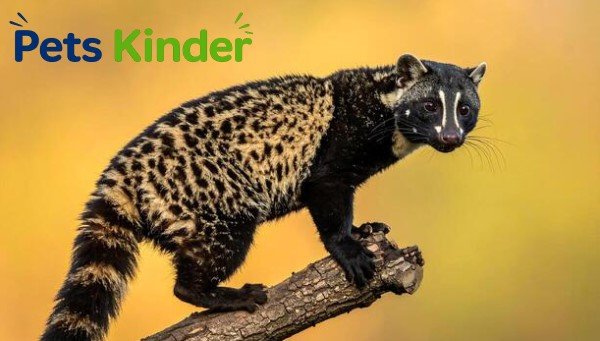
Despite its name, the civet cat isn’t actually a cat at all, and that’s just the first surprising fact about this fascinating creature. Found across parts of Africa and Asia, the civet cat has built an unusual reputation, partly due to its connection to one of the most expensive coffees in the world. This article digs into what makes the civet cat so unique, covering everything from its biology to lingering questions about safety and temperament.
What Exactly Is a Civet Cat?
The civet cat belongs to the Viverridae family, which makes it more closely related to mongooses than to actual felines. Despite this, the nickname “civet cat” stuck centuries ago due to its somewhat cat-like face and slender body. Today, the civet cat remains a recognizable, if often misunderstood, animal found throughout dense forests, grasslands, and even urban edges across its native range.
There are actually several species classified under the civet cat umbrella, including the African civet and the Asian palm civet, each with slightly different physical traits and habitats. While they share certain characteristics, regional civet cat populations have adapted to their specific environments over thousands of years, resulting in subtle differences in size, coloring, and behavior depending on where they’re found.
Civet Cat Origin and Natural Habitat
Understanding civet cat origin helps explain why this animal has spread across such a wide geographic area. Civets are believed to have evolved millions of years ago, with fossil records suggesting ancient ancestors roamed parts of Africa and Asia long before modern civet species emerged. Over time, civet cat populations adapted to diverse environments, from dense rainforests to mountainous regions and even agricultural areas near human settlements.
Today, civet cats are commonly found throughout Sub-Saharan Africa, Southeast Asia, and parts of South Asia. Their adaptability has allowed them to thrive in varied climates, though deforestation and habitat loss have increasingly pushed many civet cat populations closer to human communities. This shift has sparked ongoing conservation conversations, particularly regarding how expanding agriculture continues to affect their natural origin territories.
Key Physical Features and Characteristics
The civet cat typically has an elongated body, short legs, and a long, bushy tail that often resembles that of a raccoon more than a cat. Most species display distinctive spotted or striped fur patterns, which provide excellent camouflage within dense vegetation. Adult civet cats generally weigh between 4 and 20 pounds, depending on the specific species, with body lengths ranging from 16 to 30 inches excluding the tail.
One particularly unusual trait involves their scent glands, located near the base of their tail. These glands produce a strong-smelling secretion historically used in perfume production, though synthetic alternatives have largely replaced this practice today. This scent-marking ability plays an important role in civet cat communication, helping individuals establish territory boundaries and signal reproductive status to potential mates.
Civet Cat Breed Variations
When people search for information about civet cat breed types, they’re often surprised to learn just how many distinct species exist within this broader classification. The African civet, Asian palm civet, and banded civet all represent different breed variations, each adapted to specific regional environments. These differences extend beyond appearance, influencing diet, social behavior, and even reproductive patterns across various civet cat populations.
Because civet cat breed classifications can be somewhat confusing, even within scientific communities, ongoing genetic research continues to refine our understanding of how these species relate to one another. Some breeds, like the Asian palm civet, have gained particular notoriety due to their role in coffee production, while others remain relatively obscure outside of specialized wildlife research circles.
Diet and Nutrition
Civet cats are primarily omnivorous, consuming a diverse diet that includes fruits, insects, small rodents, and even reptiles depending on availability. This dietary flexibility allows them to adapt easily to changing environments, which partly explains their widespread distribution across such varied habitats. Coffee cherries make up a notable portion of the Asian palm civet’s diet, leading to their unexpected fame within the coffee industry.
Interestingly, the digestive process civets use to consume coffee cherries plays a direct role in producing kopi luwak, one of the most expensive coffees globally. As the civet digests the cherry, fermentation occurs within its digestive tract, altering the bean’s flavor profile before it’s later collected from droppings. While unusual, this process has turned the civet cat into an accidental celebrity within specialty coffee circles worldwide.
Health, Care, and Common Issues
In the wild, civet cats face threats from habitat destruction, predation, and human conflict, particularly as agricultural expansion encroaches on their natural territories. Common health concerns include parasitic infections, respiratory issues, and injuries related to territorial disputes with other civets or predators. Conservationists continue monitoring wild populations to better understand how environmental changes affect long-term civet cat health.
In captivity, particularly within coffee production facilities, ethical concerns have emerged regarding overcrowded conditions and inadequate diets. Animal welfare organizations have increasingly called for stricter regulations to ensure civet cats used in commercial settings receive proper veterinary care, adequate space, and balanced nutrition rather than being exploited purely for profit within the lucrative coffee trade.
Is Civet Cat Dangerous to Humans?
A common question many people ask is whether is civet cat dangerous behavior something to worry about. Generally speaking, civet cats are shy, nocturnal animals that avoid human contact whenever possible. While they possess sharp teeth and claws capable of inflicting injury if cornered or threatened, unprovoked attacks on humans remain extremely rare, since these animals strongly prefer fleeing over confrontation.
That said, like any wild animal, a civet cat can become defensive if it feels trapped or threatened, particularly during mating season or while protecting offspring. Maintaining a respectful distance and avoiding direct interaction remains the safest approach when encountering one in the wild. Their natural instinct leans heavily toward avoidance rather than aggression, making serious incidents involving the civet cat genuinely uncommon.
A Notable Connection to Pop Culture
Interestingly, celebrity chef and travel personality Anthony Bourdain once explored the controversial world of kopi luwak coffee during his television travels, drawing significant public attention to the civet cat’s unusual role in its production. His exploration helped spark broader awareness about both the fascinating biology and ethical concerns surrounding how civet cats are sometimes treated within commercial coffee operations.
Lifespan and Long-Term Considerations
In the wild, civet cats typically live between 8 and 12 years, though lifespan can vary depending on predation risk, habitat quality, and food availability. In more controlled environments, such as sanctuaries with proper veterinary oversight, civets have been known to live slightly longer thanks to consistent nutrition and reduced exposure to natural threats compared to unpredictable wild conditions.
Looking ahead, the long-term survival of civet cat populations depends heavily on continued habitat preservation and responsible regulation of commercial industries that rely on these animals. As awareness grows regarding ethical treatment standards, many conservation groups remain hopeful that civet cat populations can stabilize, ensuring this unusual, fascinating species continues thriving across its native range for generations to come.
Final Thoughts
The civet cat remains one of the most misunderstood creatures in the animal kingdom, often overshadowed by its unexpected fame within the coffee industry. From understanding civet cat origin to addressing lingering questions about whether is civet cat dangerous, this species deserves far more recognition for its unique biology and ecological role. With continued conservation efforts, the civet cat can remain a fascinating, thriving part of the ecosystems it has called home for millions of years.