Everything You Need to Know Before Adding This Unique Hybrid to Your Tank
Few freshwater fish generate as much curiosity, and occasional controversy, as the parrot cichlid. With its rounded body, beak-like mouth, and vibrant coloring, this fish stands out instantly in any aquarium display. Originally developed through selective hybridization, the parrot cichlid has become a polarizing yet beloved choice among hobbyists who want something visually striking and genuinely different from typical tank residents.
What Exactly Is a Parrot Cichlid?
Unlike most fish species, the parrot cichlid isn’t naturally occurring in the wild. Instead, breeders created it by crossing several South American cichlid species, resulting in a fish with an unusually rounded body and a small, beak-shaped mouth. This unique anatomy gives the parrot cichlid its distinctive appearance, though it also limits its feeding mechanics compared to other cichlid varieties found in natural habitats.
Because of its hybrid origins, the parrot cichlid carries genetic traits from multiple parent species, which explains its unusual body shape and limited swimming agility. Despite these physical quirks, the fish has thrived in home aquariums worldwide. Many hobbyists appreciate that the parrot cichlid combines striking visuals with a surprisingly manageable temperament, making it accessible even for intermediate aquarium keepers rather than only advanced specialists.
Parrot Cichlid Size and Growth Expectations
When fully grown, parrot cichlid size typically ranges between 7 and 10 inches, depending on genetics, diet, and overall tank conditions. Juveniles start considerably smaller, often just an inch or two when first introduced to aquariums. Growth happens steadily over the first year, though it slows significantly afterward as the fish reaches its adult proportions and settles into a more stable size range.
Tank conditions play a meaningful role in determining final parrot cichlid size, since cramped environments or poor water quality can stunt growth considerably. Therefore, providing ample swimming space from an early age supports healthier development. Most owners notice their fish reaching near-maximum size by eighteen to twenty-four months, assuming consistent feeding schedules and appropriate water parameters throughout that critical growth period.
Parrot Cichlid Colors and Appearance
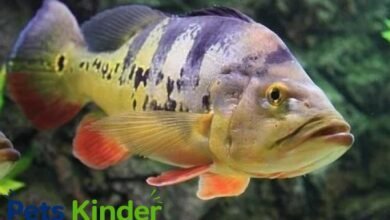
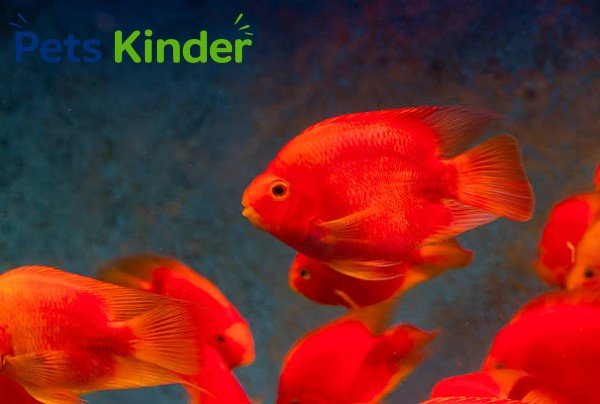
One of the biggest draws of this fish is undoubtedly its coloring. Naturally, parrot cichlid colors range from orange and yellow to deeper red tones, though selective breeding has introduced even more striking variations over the years. Some specimens display pink or purple hues, often enhanced through dyeing practices that, while controversial, remain common within certain segments of the aquarium trade.
It’s worth noting that naturally colored parrot cichlid colors tend to be more muted than artificially dyed versions sold under names like “blueberry” or “rainbow” parrots. Ethical breeders typically avoid dye injection, focusing instead on natural color enhancement through diet and genetics. Prospective buyers should research sourcing carefully, since naturally vibrant fish generally enjoy better long-term health than artificially treated counterparts found in some pet stores.
Diet and Nutritional Needs
Feeding a parrot cichlid requires understanding its unique mouth structure, since the small, beak-like opening limits what foods it can comfortably consume. High-quality cichlid pellets formulated for smaller mouths work best, supplemented occasionally with frozen or live foods like brine shrimp and bloodworms. This varied diet supports both growth and the vibrant coloration many owners specifically hope to maintain.
Overfeeding remains a common mistake among new owners, often leading to digestive issues or excess waste that quickly degrades water quality. Feeding small portions twice daily generally works better than one large meal. Additionally, incorporating color-enhancing foods rich in carotenoids can help intensify natural pigmentation, giving your parrot cichlid a richer, more vibrant appearance over time without relying on artificial coloring methods.
Health, Care, and Common Issues
Like most cichlids, this fish can develop health problems when water quality isn’t properly maintained. Common issues include ich, fin rot, and bacterial infections, all of which often stem from inconsistent water changes or poor filtration. Maintaining stable water temperature between 76 and 80 degrees Fahrenheit, along with regular testing, significantly reduces the likelihood of these preventable health complications arising.
Because of its compact mouth and altered spine structure, the parrot cichlid sometimes struggles with buoyancy issues or swim bladder disorders. Overfeeding worsens these conditions considerably, so portion control becomes especially important for long-term health. Routine observation helps owners catch early warning signs, such as reduced appetite or unusual swimming patterns, allowing for prompt intervention before minor issues develop into more serious problems.
Ideal Parrot Cichlid Tank Size and Setup
Choosing the right parrot cichlid tank size matters enormously for long-term wellbeing. A single adult fish needs at least 30 gallons, though experts generally recommend 55 gallons or more, especially when housing multiple specimens. Larger tanks dilute waste more effectively and provide enough swimming room to support natural behavior patterns this fish displays in spacious environments.
Beyond size, decor matters too. Smooth rocks, driftwood, and open swimming areas work well, since this fish isn’t an aggressive digger like some cichlid relatives. Proper filtration becomes essential given their moderate waste output, and consistent water changes every one to two weeks help maintain the stable conditions necessary for long-term health and vibrant coloration in any parrot cichlid tank size you choose.
Best Parrot Cichlid Tank Mates
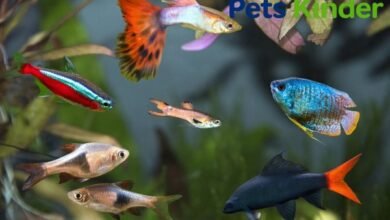
Selecting appropriate parrot cichlid tank mates requires balancing temperament and size compatibility carefully. Generally peaceful despite their cichlid lineage, these fish coexist well with similarly sized, non-aggressive species like silver dollars, larger tetras, and certain peaceful catfish varieties. Avoiding overly aggressive or significantly smaller fish prevents stress, injury, or unwanted competition for food resources within shared tank environments.
A Notable Connection to Aquatic Exploration
Public fascination with underwater life owes much to figures like Jacques Cousteau, the legendary French explorer who dedicated his career to documenting aquatic ecosystems. While Cousteau focused primarily on ocean environments, his broader influence on public appreciation for aquatic biodiversity, including freshwater species like the parrot cichlid, helped inspire generations of hobbyists to explore fishkeeping as a meaningful, educational pursuit.
Lifespan and Long-Term Considerations
With proper care, a parrot cichlid typically lives between 10 and 15 years, making it a genuine long-term commitment for any aquarium owner. Consistent water quality, balanced nutrition, and appropriate tank size all contribute significantly to achieving this impressive lifespan, far exceeding many other commonly kept freshwater fish species.
Parrot Cichlid Price and Where to Buy
Parrot cichlid price typically ranges from $10 to $30 for standard specimens, while rarer color variations can command higher prices. When searching for a parrot cichlid for sale, choosing reputable breeders or established aquarium stores ensures healthier fish, ethical breeding practices, and better long-term support for new and experienced owners alike.