Why This Bizarre Arachnid Deserves a Spot in Your Exotic Pet Collection
At first glance, the tailless whip scorpion looks like something straight out of a horror movie. With its flattened body, spider-like legs, and dramatically elongated front limbs, this creature can stop people in their tracks. Yet despite the intimidating appearance, the tailless whip scorpion is one of the gentlest and most fascinating invertebrates a hobbyist can keep. Once you understand its true nature, fear quickly turns into genuine curiosity and admiration.
Understanding the Unique Features of the Tailless Whip Scorpion
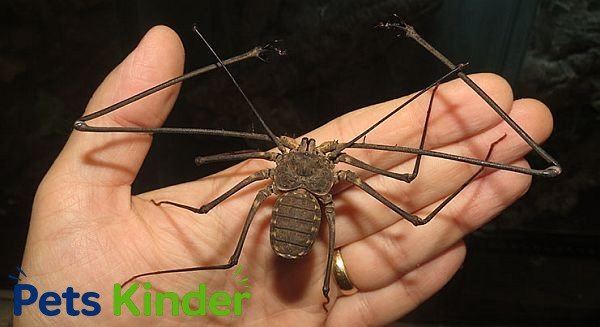
Unlike true scorpions, the tailless whip scorpion has no stinger and no venom whatsoever. Instead, it relies on two long, whip-like sensory appendages called pedipalps that extend far beyond its body, helping it navigate dark environments and detect prey. These appendages move almost constantly, sweeping the air and ground like antennae, which gives the animal an eerie yet captivating way of exploring its surroundings.
When it comes to tailless whip scorpion size, most species range between three and eight inches when you measure leg span rather than body length. The body itself is usually flat and crab-like, allowing the animal to squeeze into tight crevices under bark or rocks. This flattened shape, combined with its nocturnal habits, makes the tailless whip scorpion remarkably good at avoiding predators in its natural rainforest habitat.
Color and texture vary depending on species, but most display mottled brown, gray, or black patterning that blends seamlessly with tree bark. Their front pair of legs, modified into long feelers, never touch the ground while walking. Instead, the tailless whip scorpion uses its remaining six legs for locomotion, giving it a distinctive sideways scuttling movement that many keepers find oddly mesmerizing to watch.
Tailless Whip Scorpion Care: Setting Up the Right Habitat
Successful tailless whip scorpion care starts with replicating a humid, tropical environment. A vertical enclosure works best since these animals are natural climbers that prefer bark, cork rounds, and textured surfaces over open floor space. Maintaining humidity between 70 and 80 percent is essential, and misting the enclosure daily helps prevent dehydration, which is one of the leading causes of stress in captivity.
Temperature also plays a major role in proper tailless whip scorpion care routines. Most species thrive between 75 and 85 degrees Fahrenheit, so a small heat mat on the side of the tank can help maintain consistent warmth without drying out the substrate. Additionally, a deep layer of coconut fiber or peat moss allows for burrowing behavior, which many individuals display when they feel threatened or are preparing to molt.
Lighting should remain minimal, since these creatures are strictly nocturnal and can become stressed under bright conditions. Red or low-intensity lighting works well for nighttime observation without disturbing natural behavior. Furthermore, providing multiple hiding spots reduces stress significantly, especially in communal setups where several individuals share the same enclosure space.
Diet and Feeding Habits That Keep Them Thriving
Feeding a tailless whip scorpion is relatively straightforward once you understand their predatory instincts. These animals are ambush predators, using their sensitive pedipalps to detect vibrations from nearby insects before striking with impressive speed. Crickets, roaches, and small moths make excellent staple prey items, and most keepers feed adults two to three times per week.
Juveniles, on the other hand, require more frequent feedings to support rapid growth during molting cycles. Offering appropriately sized prey, never larger than the animal’s own body, prevents injury during capture. Since the tailless whip scorpion doesn’t drink standing water often, moisture from misting and humid substrate typically provides sufficient hydration alongside their regular diet.
Addressing the Tailless Whip Scorpion Bite Myth
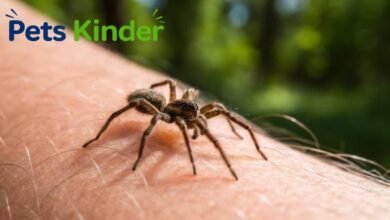
One of the most common questions potential owners ask involves the tailless whip scorpion bite, and the answer often surprises people. These animals are completely harmless to humans, lacking both venom glands and a stinger entirely. While they do possess small chelicerae for grasping prey, a tailless whip scorpion bite is exceptionally rare and, even if it happens, causes nothing more than minor, temporary discomfort.
That said, handling should still be approached with care and respect for the animal’s wellbeing. Although a tailless whip scorpion bite poses no real danger, excessive handling can cause stress, leading to lost limbs or reduced lifespan. Most experienced keepers recommend observation over handling, allowing the animal to display natural behaviors without unnecessary interference.
Common Health Issues and Long-Term Care Considerations
Generally speaking, the tailless whip scorpion is a hardy species when housed correctly, but improper humidity remains the most frequent cause of health problems. Dehydration can lead to difficulty molting, which sometimes results in stuck exoskeletons or even death if left untreated. Regular misting and humidity monitoring, therefore, become non-negotiable parts of responsible ownership.
Mold and bacterial growth in overly damp substrate can also pose risks, so proper ventilation alongside humidity is crucial. Keepers should watch for lethargy, refusal to eat, or visible damage to limbs, since these signs often indicate underlying stress or environmental issues. Fortunately, with consistent care, the tailless whip scorpion rarely suffers from disease compared to other commonly kept invertebrates.
Tailless Whip Scorpion Lifespan and What to Expect Long-Term
Many newcomers are surprised to learn just how long these creatures can live. The average tailless whip scorpion lifespan ranges from five to ten years, depending on species and care quality, making them a genuine long-term commitment rather than a short-lived novelty pet. Some larger species have even been documented living beyond a decade under optimal captive conditions.
Throughout their lives, individuals go through multiple molts, each one slightly increasing their size and leg span. Because of this extended tailless whip scorpion lifespan, owners should plan enclosure upgrades as the animal matures. Patience truly pays off here, since watching one grow and develop over several years offers a uniquely rewarding experience for dedicated invertebrate enthusiasts.
A Nod to Steve Irwin’s Fearless Approach to Misunderstood Creatures
Steve Irwin spent his career changing public perception of animals that most people feared or misunderstood, from crocodiles to venomous snakes. His passion for education over fear mirrors exactly what tailless whip scorpion keepers hope to achieve today. By showcasing these gentle, harmless arachnids up close, hobbyists continue Irwin’s legacy of replacing fear with fascination and genuine respect for nature’s strangest creatures.
Finding a Tailless Whip Scorpion for Sale
If you’re ready to bring one home, finding a tailless whip scorpion for sale requires some research into reputable exotic pet dealers or specialized invertebrate breeders. Prices typically range from $30 to $80 depending on species and size, with rarer varieties commanding higher costs. Always verify that any tailless whip scorpion for sale comes from a captive-bred source rather than wild-caught stock, since this supports sustainable hobbyist practices.
Final Thoughts on Keeping This Misunderstood Arachnid
Ultimately, the tailless whip scorpion proves that appearances can be wildly deceiving in the animal kingdom. Beneath its alarming exterior lies a gentle, low-maintenance creature perfect for dedicated invertebrate enthusiasts. Once you experience proper care firsthand, it becomes clear why this species continues gaining popularity among exotic pet keepers worldwide.