LaMancha Goat: The Friendly, Earless Dairy Breed Every Homestead Should Know

A Gentle Giant of the Goat World With a Look All Its Own
If you’ve ever spotted a goat with stubby little ear nubs instead of the usual floppy ears, chances are you were looking at a LaMancha goat. This distinctive dairy breed has won over backyard farmers and commercial dairies alike, thanks to its calm temperament, reliable milk output, and unmistakable appearance. Whether you’re new to goat keeping or considering adding one to your homestead, understanding the LaMancha goat breed will help you decide if this lovable animal fits your lifestyle.
What Makes the LaMancha Goat Breed So Recognizable
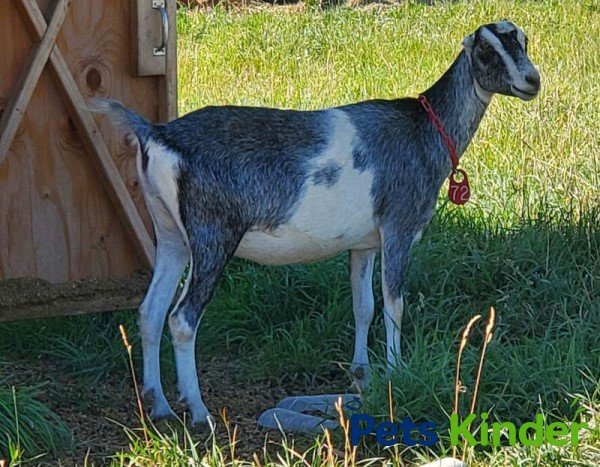
The most striking feature of any LaMancha goat is, without question, its ears. Unlike most goat breeds that sport long, droopy or upright ears, the LaMancha goat has either “gopher ears” (tiny, barely visible nubs) or “elf ears” (slightly larger but still short and curved). This unique trait isn’t just for show; it’s actually a defining characteristic recognized by breed standards. Beyond the ears, these goats typically have a straight facial profile, a sturdy build, and come in nearly every color imaginable, from solid white to spotted patterns.
Body size also sets the LaMancha goat apart from smaller dairy breeds. Bucks generally weigh around 160 pounds, while does average closer to 130 pounds, making them a medium-to-large breed overall. Their short, glossy coat requires minimal grooming, which is a relief for busy goat owners. Additionally, many breeders appreciate that LaMancha goat horns, when left unremoved, tend to grow in a backward curve, giving the animal a striking yet manageable profile that many owners choose to disbud early for safety reasons.
Tracing the LaMancha Goat Origin Back to Spanish Roots
Despite its name suggesting Spanish heritage, the LaMancha goat origin actually traces back to California in the 1930s. Breeders crossed short-eared goats, believed to have descended from Spanish missionary stock, with Swiss dairy breeds like the Alpine and Saanen. The goal was simple: create a hardy, productive dairy goat suited to American farms. By 1958, the American Dairy Goat Association officially recognized the LaMancha goat as a distinct breed, making it the only goat breed developed entirely within the United States.
This American origin story is part of why the breed feels so deeply tied to homesteading culture. Farmers wanted an animal that could thrive in varied climates, produce consistent milk, and tolerate handling without becoming flighty. The LaMancha goat origin reflects decades of careful selection, and that legacy continues to shape why this breed remains a top choice for small-scale dairies today.
Diet and Nutrition Needs for a Healthy LaMancha Goat
Like most dairy goats, the LaMancha goat thrives on a diet built around quality forage. Fresh pasture or good-quality hay should make up the bulk of their daily intake, supplying fiber that keeps their digestive system running smoothly. Lactating does, however, need extra calories and protein, so supplementing with a balanced grain ration during milking season becomes essential for maintaining both health and milk production.
Minerals matter just as much as calories when it comes to feeding a LaMancha goat properly. Free-choice access to a goat-specific mineral mix, particularly one containing copper and selenium, helps prevent deficiencies that are common in dairy breeds. Clean, fresh water must always be available, since dehydration can quickly reduce milk yield. Treats like carrots or leafy greens are fine occasionally, but they should never replace a forage-based diet.
Common Health Issues Every LaMancha Owner Should Watch For
Generally speaking, the LaMancha goat is considered a hardy and resilient breed with few breed-specific health problems. That said, like all dairy goats, they’re susceptible to parasites, so regular fecal testing and a smart deworming schedule are non-negotiable parts of responsible ownership. Hoof trimming every six to eight weeks also prevents overgrowth and reduces the risk of lameness or bacterial infections.
Mastitis is another concern worth monitoring closely, especially in high-producing does. Owners should check udders regularly for swelling, heat, or unusual milk consistency, since early detection makes treatment far more effective. Respiratory issues can occasionally arise in poorly ventilated barns, so good airflow and clean, dry bedding go a long way toward keeping a LaMancha goat healthy throughout the year.
Lifespan, Temperament, and Long-Term Considerations
One of the biggest draws of the LaMancha goat is its impressive lifespan, which typically ranges from 10 to 15 years with proper care. Some well-managed does have even lived past 15, continuing to produce milk well into their senior years. This longevity makes the LaMancha goat a worthwhile long-term investment for anyone serious about dairy production or simply wanting a loyal farm companion.
Temperament-wise, this breed consistently ranks among the friendliest and most people-oriented goats available. They’re known for being curious, vocal in a charming way, and remarkably easy to handle, even for beginners. Because of this gentle disposition, many petting zoos and 4-H programs specifically seek out the LaMancha goat for educational and therapeutic animal programs.
A Famous Farmer’s Take on Sustainable Goat Keeping
Joel Salatin, the well-known regenerative farming advocate and author behind Polyface Farm, has long championed the idea that small ruminants like goats play a vital role in sustainable land management. While he hasn’t spoken exclusively about the LaMancha goat, his broader philosophy on rotational grazing and animal-centered farming aligns perfectly with how this breed thrives. Goats that move across diverse pasture, much like Salatin recommends, tend to stay healthier and more productive over their lifetime.
Understanding LaMancha Goat Price and Availability
If you’re considering bringing one home, the LaMancha goat price typically ranges from $150 to $500 depending on age, pedigree, and milking history. Registered does from proven dairy lines often command higher prices, sometimes exceeding $600, especially if they come from award-winning bloodlines. Bucks intended for breeding purposes may also carry premium pricing due to their genetic value.
When searching for a LaMancha goat for sale, it’s worth connecting with local breed associations or established breeders rather than relying solely on online classifieds. Reputable sellers will provide health records, vaccination history, and genetic background, which helps ensure you’re getting a healthy, well-socialized animal. Visiting the farm in person, whenever possible, also allows you to observe the goat’s temperament firsthand before committing.
Final Thoughts on Welcoming a LaMancha Goat Home
Ultimately, the LaMancha goat offers a rare combination of friendly personality, reliable dairy output, and distinctive looks that few other breeds can match. Whether you’re drawn to its unusual ears or its impressive milk production, this breed rewards attentive owners with years of companionship and consistent returns. For anyone serious about goat keeping, the LaMancha goat truly deserves a spot on the shortlist.