Brahman Cow: The Resilient King of Cattle That Transformed American Ranching

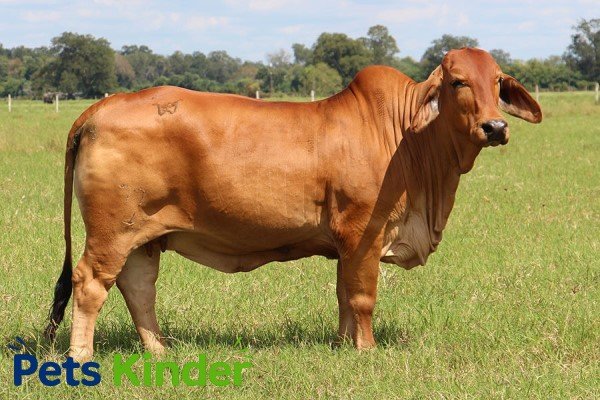
If you’ve spent any time around livestock farms in the southern United States, you’ve almost certainly seen a Brahman cow that distinctive humped back, the loose skin draping elegantly from the neck, the large drooping ears, and those calm, heavy-lidded eyes that seem to hold centuries of wisdom. There’s something undeniably commanding about this breed. The Brahman cow isn’t just a beautiful animal; it’s one of the toughest, most adaptable, and economically significant cattle breeds in the world. Whether you’re a rancher looking to expand your herd, a livestock enthusiast, or simply someone curious about where these remarkable animals come from, this guide covers everything you need to know.
Brahman Cow Origin: A Journey From Ancient India to American Pastures
The Ancient Roots of the Breed
Understanding the Brahman cow origin means traveling back thousands of years to the Indian subcontinent. Brahman cattle descend from Bos indicus the zebu cattle that indigenous peoples of South Asia domesticated and selectively bred over millennia. These animals evolved in harsh tropical conditions, which is precisely why they developed the biological traits that make them so exceptional today. The name itself carries cultural weight, drawing from “Brahma,” the Hindu deity of creation a nod to the breed’s sacred status in its homeland.
How the Brahman Came to America
Brahma cows first arrived in the United States in the mid-1800s, when several zebu-type cattle were imported from India and gifted to American ranchers and government officials. However, the real development of the American Brahman as a distinct breed didn’t happen until the early 20th century. Between 1906 and 1926, organized importation efforts brought thousands of zebu cattle from India and Brazil into the Gulf Coast states. Breeders in Texas, Louisiana, and Florida crossed these imports primarily the Guzerat, Nellore, Krishna Valley, and Ongole breeds to create what we now recognize as the American Brahman. By 1924, the American Brahman Breeders Association was officially established, cementing the breed’s identity and standards.
Brahman Cow Characteristics: Built to Survive and Thrive
The Iconic Physical Appearance
When most people picture Brahman cows, that pronounced hump over the shoulders is the first thing that comes to mind. This hump, called a cervicothoracic hump, is composed of muscle tissue rather than fat unlike a camel’s hump and serves as an energy reserve during periods of nutritional stress. Beyond the hump, Brahman cow characteristics include a large, pendulous dewlap (the fold of skin hanging from the neck and chest), long drooping ears, and a short, thick, glossy coat that typically ranges from light gray to dark red or nearly black.
Their skin is loose and thin, which plays a critical role in heat regulation. This looseness increases the surface area exposed to air, allowing body heat to dissipate efficiently in hot climates. They also produce an oily skin secretion that helps repel insects a natural defense mechanism that reduces their susceptibility to tick and fly infestations compared to European cattle breeds.
Size and Build
Brahman cows are large animals. Mature bulls typically weigh between 1,600 and 2,200 pounds, while cows generally range from 1,000 to 1,400 pounds. They carry a muscular, deep-bodied frame that reflects their dual-purpose heritage as both work animals and beef producers. Their legs are strong and well-set, designed for covering rough terrain in warm, humid environments. Despite their imposing size, Brahman cattle move with a quiet, deliberate grace that experienced handlers often note with admiration.
Temperament
Brahma cows have a reputation for being more alert and reactive than many European breeds. They’re intelligent animals sometimes described as curious and cautious rather than docile. With proper handling and regular human contact from a young age, they become manageable and even gentle. Poor handling, however, can make them difficult to work with. Ranchers who invest time in low-stress handling techniques consistently report calmer, more cooperative animals.
Diet and Nutrition
Brahman cows are grazers by nature, and their digestive systems are well-adapted to fibrous, low-quality forages. In regions where other breeds struggle to maintain body condition, Brahman cattle extract nutrition from rough pasture grasses, shrubs, and crop residues with impressive efficiency. This foraging ability makes them invaluable in subtropical and tropical regions where lush pasture isn’t always available year-round.
In managed ranch settings, a Brahman cow’s diet typically consists of pasture grass supplemented with hay during dry seasons. When producers target accelerated weight gain particularly in feedlot operations they add grain-based concentrates like corn, sorghum, or commercial cattle feed to the ration. Mineral supplementation is important, especially in regions with selenium- or copper-deficient soils. Fresh, clean water access is non-negotiable; a mature Brahman cow can consume 20 to 30 gallons of water daily in hot weather.
Celebrity and Cultural Spotlight on Brahman Cattle
Brahman cattle have captured attention far beyond ranching communities. Country music legend and Texas icon George Strait, who grew up deeply connected to ranch culture in San Marcos, Texas, has long been associated with the cattle ranching lifestyle that celebrates breeds like the Brahman. His authentic connection to livestock and land has made him a cultural ambassador for the values that Brahman ranching represents resilience, hard work, and deep roots in Southern heritage. Additionally, famous Texas ranching families and rodeo personalities have showcased Brahman and Brahma cow bloodlines in competitions and exhibitions across the country for decades, elevating the breed’s prestige well beyond the pasture fence.
Health, Care, and Common Issues
Natural Disease Resistance
One of the most compelling advantages of Brahman cows is their natural resistance to a wide range of parasites and diseases that devastate other cattle breeds in tropical climates. Their tick-repelling skin secretions, combined with a strong immune response developed through centuries of natural selection, make them significantly more resistant to tick fever, pinkeye, and bovine respiratory disease than their European counterparts. This biological resilience translates directly into lower veterinary costs for producers.
Common Health Concerns
Despite their hardiness, Brahman cows are not entirely immune to health challenges. Foot rot, hardware disease (ingestion of metallic objects), and bovine respiratory complex can still occur, particularly in poorly managed herds. Reproductive issues such as difficult calving in first-calf heifers or retained placenta occasionally arise, though Brahman cows are generally known for calving ease relative to their size. Internal parasites like barber pole worm can be problematic in humid environments, so a strategic deworming program is essential.
Routine Care Essentials
Routine hoof trimming, annual vaccinations for clostridial diseases and bovine respiratory viruses, and regular body condition scoring keep a Brahman herd performing at its best. Fly and tick control through pour-on treatments, ear tags, or back rubbers remains important even in a breed this naturally resistant. Providing shade and adequate water during peak summer heat is critical, despite the breed’s heat tolerance. Nutritional management during pregnancy and lactation directly impacts calf health and weaning weights, so working with a livestock nutritionist pays dividends over time.
Brahman Cow for Sale: What Buyers Should Know
The market for Brahman cattle is robust, particularly across the Gulf Coast states, Florida, Hawaii, and internationally in Brazil, Australia, and Southeast Asia. If you’re searching for a Brahman cow for sale, your best starting points are breed association sales, registered cattle auctions, and reputable ranches with documented bloodlines. Registered Brahman cattle from proven bloodlines can command prices ranging from $1,500 for commercial-quality heifers to well over $10,000 for show-quality or elite breeding stock. Always request health certificates, vaccination records, and registration papers before purchasing. Buying from producers who practice low-stress handling gives you animals that are easier to integrate into an existing herd.
Lifespan and Long-Term Considerations
Brahman cows are genuinely long-lived animals. A well-managed Brahma cow can remain productive cycling, conceiving, and raising calves for 15 to 20 years. Many ranchers report cows in their herd still producing quality calves at 18 years of age, a longevity that’s difficult to match in other beef breeds. This extended productive lifespan significantly improves the lifetime return on investment for producers who maintain their animals well.
Their crossbreeding potential adds another long-term advantage. Brahman genetics consistently improve heat tolerance, disease resistance, and overall hybrid vigor in crossbred offspring. Brangus, Beefmaster, Simbrah, and Santa Gertrudis all popular commercial beef breeds carry Brahman blood precisely because of these heritable strengths.
Final Thoughts
The Brahman cow earned its place at the top of the cattle world through pure biological excellence not marketing or trend. From its ancient origins on the Indian subcontinent to its transformation of beef production across the American South and beyond, this breed has proven itself generation after generation. Tough enough to thrive where others fail, productive enough to anchor commercial herds, and long-lived enough to reward patient, attentive management, the Brahman remains one of agriculture’s greatest success stories. If you’re considering adding Brahman cows to your operation, the evidence is overwhelming: few breeds deliver more value over the long haul.