When She Won’t Leave the Nest: The Complete Guide to Understanding and Managing Broody Hens

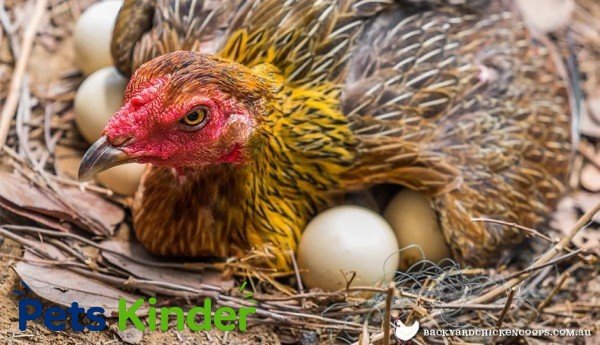
Every backyard chicken keeper eventually faces it you reach into the nesting box, and instead of grabbing an egg, you get a sharp peck and an angry glare. Your hen is puffed up, flattened out, and absolutely done with you. Congratulations: you’ve got a broody hen on your hands.
Broodiness is one of the most fascinating and sometimes frustrating natural behaviors in chickens. Whether you want to use it to hatch chicks or break it as quickly as possible, understanding what’s really happening with your broody hen makes all the difference. This guide covers everything you need to know, from what triggers broodiness to how to keep your hen healthy while she’s in that determined, stubborn state.
What Is a Broody Hen, and Why Does It Happen?
The Biology Behind the Broody Instinct
A broody hen is a chicken that has decided hormonally and instinctively that it’s time to sit on a clutch of eggs and hatch them. Her body shifts into a specific hormonal state driven largely by elevated prolactin levels, the same hormone that governs maternal behavior across many species. Once that hormonal switch flips, she becomes laser-focused on one mission: keeping those eggs warm.
Interestingly, a hen doesn’t need a rooster or even fertile eggs to go broody. She’ll happily sit on an empty nest, a pile of golf balls, or someone else’s eggs. The instinct operates independently of whether the eggs can actually hatch. This is important to understand because it tells you that broodiness isn’t a rational decision it’s a biological drive, and it won’t simply go away because you remove her eggs.
What Triggers Broodiness?
Several factors can tip a hen into broodiness. Longer days and warmer temperatures in spring and early summer are the biggest environmental cues. Nest boxes that feel dark, private, and enclosed tend to encourage the behavior. Additionally, seeing a growing clutch of eggs in the nest especially if other hens keep laying in the same spot can trigger the instinct in a susceptible hen.
Genetics play a massive role here. Some breeds are notoriously broody, while others have had the instinct largely bred out of them through generations of commercial selection.
Breeds Most Likely to Go Broody
The Classic Broody Breeds
Not all chickens are equally prone to broodiness. Heritage and dual-purpose breeds tend to go broody far more often than production-focused breeds. Silkies are perhaps the most famously broody chicken in existence they’ll go broody at the drop of a hat and make exceptional mothers. Cochins, Orpingtons, and Brahmas are similarly well-known for their strong maternal instincts. These breeds are often used as “surrogate mothers” by keepers who want eggs hatched without an incubator.
Other notably broody breeds include the Australorp, Sussex, and Wyandotte. These birds aren’t as extreme as Silkies, but they’ll reliably go broody at least once or twice a season under the right conditions.
Breeds That Rarely Go Broody
On the opposite end of the spectrum, production breeds like Leghorns, sex-links, and most commercial hybrids rarely go broody. These birds have been selectively bred for maximum egg production, and broodiness which halts laying entirely has been systematically reduced over generations. If you keep these breeds and notice broodiness, it still happens occasionally, but it’s far less common.
Key Behaviors and Characteristics of a Broody Hen
Recognizing a broody hen is usually straightforward once you know what to look for. She’ll spend most of her time sitting tightly in the nesting box, even at night when normal hens roost on the perch. When you approach her, she’ll likely flatten herself down, puff out her feathers dramatically, and may hiss, growl, or peck with surprising speed and accuracy.
She’ll also pluck feathers from her breast a behavior called “brood patching” to expose warm skin directly against the eggs. Her body temperature rises slightly during broodiness, which is precisely what developing embryos need. She’ll leave the nest only briefly, usually once a day, to eat, drink, and defecate. Those brief outings produce what chicken keepers lovingly call “broody poops” enormous, particularly pungent droppings that result from holding everything in for 20+ hours.
Diet and Nutrition for a Broody Hen
Why Nutrition Matters More Than You Think
A broody hen is essentially fasting for most of the day, and if you’re not careful, she can lose significant body weight over a 21-day incubation period. This makes nutrition during those brief daily outings critically important. She needs calorie-dense, nutrient-rich food to sustain herself and maintain the energy needed to keep eggs warm consistently.
Continue offering a quality layer feed as her base diet. However, consider supplementing with high-protein snacks like mealworms, scrambled eggs, or black soldier fly larvae to help offset the weight loss. Fermented feed is another excellent option it’s more bioavailable and easier to digest, which matters when she’s eating quickly before rushing back to the nest. Fresh water must always be accessible, as dehydration can become a genuine risk during broodiness.
What to Avoid
Avoid switching her diet drastically during this period. Sudden dietary changes can cause digestive upset, which is the last thing a broody hen needs when she’s already under physiological stress. Keep treats modest don’t let them replace her balanced feed and make sure she’s actually getting up to eat. Some hens become so committed to sitting that they need gentle encouragement to take their daily break.
Health, Care, and Common Issues in Broody Hens
Parasite Vulnerability
One of the most serious health risks for broody hens is an increased vulnerability to external parasites, particularly mites and lice. Because broody hens sit in the same spot for extended periods and rarely dust-bathe, these pests can multiply rapidly. Check her regularly by parting the feathers near the vent and under the wings. If you spot tiny moving specks or clusters of eggs near the feather shafts, treat immediately with a poultry-safe powder or spray. Allowing a severe infestation to develop can weaken her significantly and may even threaten the hatch if she abandons the nest due to discomfort.
Malnourishment and Dehydration
As mentioned, weight loss is common. Hens that are too determined to sit will sometimes refuse to leave the nest even when food is right in front of them. If you notice your broody hen looking gaunt, glassy-eyed, or listless, you may need to physically remove her from the nest once or twice daily and place her in front of food and water. Most hens will eat once they’re off the nest, even reluctantly.
Nest Hygiene
The nesting area should stay clean and dry. Wet bedding harbors bacteria and can cause egg rot or expose your hen to respiratory issues. Change the bedding as needed, and check that no broken eggs are contaminating the nest. Broken eggs attract flies and create a bacterial environment that harms both the remaining eggs and the hen.
Coop Disruption and Flock Dynamics
A broody hen can disrupt your entire flock. She tends to monopolize popular nesting boxes, which frustrates other hens trying to lay and can lead to eggs being laid on the floor. She may also become aggressive toward flockmates who come too close. If flock tension escalates, consider temporarily moving her to a separate “broody cage” within or adjacent to the main coop to keep the peace.
Breaking Broodiness: When and How
If you don’t want chicks and your hen is losing too much weight or disrupting the flock, breaking the broody cycle is often the right call. The most effective method is placing her in a wire-floored cage with food and water but no bedding or nesting material. The airflow beneath her and the inability to nest helps cool her underside and disrupts the hormonal feedback loop. Most hens break within three to seven days using this method.
Removing eggs frequently and blocking off nesting boxes are useful first-line approaches, though they’re slower and don’t always work on determined hens. Never feel guilty about breaking broodiness it’s a humane intervention that protects her health.
Lifespan and Long-Term Considerations
How Broodiness Affects Long-Term Health
Repeated, prolonged broodiness cycles especially when hens aren’t eating adequately can affect a hen’s long-term health. Calcium depletion, muscle wasting, and immune suppression are all possible consequences of chronic broodiness that goes unmanaged. Hens that go broody multiple times per year, as Silkies often do, need especially close nutritional monitoring throughout the season.
On the flip side, a hen that successfully raises a clutch of chicks and returns to normal activities typically bounces back well. The key is ensuring she’s in good body condition when broodiness begins and that she doesn’t deplete herself during the process.
Planning Around Broodiness
If you keep broody-prone breeds, build your flock management strategy around their tendencies. Plan hatching projects for spring, when broodiness naturally peaks and temperatures support healthy chick development. Keep a broody cage on hand so you can act quickly either to isolate her for a successful hatch or to break the cycle efficiently. Over time, you’ll learn which individual hens in your flock are the most reliable sitters and that knowledge becomes an invaluable part of managing a thriving backyard flock.
Broody hens aren’t a problem to be feared. With the right knowledge and a little preparation, they’re one of the most rewarding aspects of keeping chickens naturally.