There’s something almost comically charming about a Gloster canary. With its rounded body, oversized “bowl cut” crest, and surprisingly bold personality for such a tiny bird, the Gloster manages to be both adorable and fascinating at the same time. It’s no wonder this compact little canary has become one of the most sought-after birds in the pet trade. But before you rush out searching for a gloster canary for sale, it pays to understand exactly what you’re getting into the good, the demanding, and everything in between.
What Exactly Is a Gloster Canary?
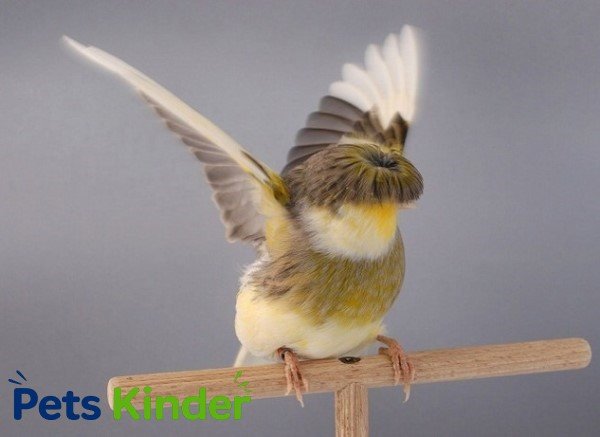
The Gloster canary is a type-bred canary, meaning it was developed for its physical appearance rather than its song. Originating in England during the 1920s, breeders in Gloucestershire crossed the crested roller canary with the small border canary to produce a compact, round-bodied bird with distinctive head feathering. The result was a bird that looks perpetually like it just rolled out of bed and people absolutely love it for that.
Unlike song canaries such as the German roller or the American singer, the Gloster’s appeal is entirely visual. It’s a show bird at heart, bred to meet specific standards of body shape, feather quality, and crest formation. That said, it adapts remarkably well to life as a companion pet, which is exactly why it remains so popular with hobbyists and first-time bird owners alike.
Gloster Canary Breeds: Corona vs. Consort
When people talk about gloster canary breeds, they’re really referring to the two distinct varieties within the Gloster type the Corona and the Consort. Understanding the difference between them is essential, especially if you plan to breed.
The Corona
The Corona is the crested variety. It sports a perfectly round, flat crest radiating from a central point on the top of its head think of a tiny bird wearing a toupee. The crest should be neat, symmetrical, and free of gaps. This is the variety most people picture when they think of a Gloster canary, and it’s certainly the more visually striking of the two.
The Consort
The Consort is the plain-headed variety no crest, just smooth feathers on a rounded skull. While it may seem like the less exciting option, the Consort is absolutely necessary for responsible breeding. Two crested birds should never be paired together. The crest gene in Gloster canaries is linked to a lethal allele, meaning breeding Corona to Corona dramatically increases the likelihood of infertile eggs or chick mortality. Always pair a Corona with a Consort to maintain healthy offspring.
Gloster Canary Colors: More Variety Than You’d Expect
One of the pleasant surprises about Gloster canaries is the range of gloster canary colors available. While the classic image is a yellow bird, Glosters actually come in a wide spectrum of shades and patterns. Common color categories include yellow (clear), variegated (a mix of colored and clear feathers), green, cinnamon, white, and fawn. Some birds display a self coloration meaning the entire body is one uniform color while others show heavily ticked or lightly variegated markings.
Additionally, Glosters can be either “yellow” or “buff” in feather type, which refers to feather texture and depth of color rather than the literal shade. Yellow-feathered birds have tighter, brighter plumage; buff birds have softer, fluffier feathers with a slightly frosted appearance. Breeders typically avoid pairing two buff birds together, as this can lead to “feather lumps” a hereditary condition where feathers grow abnormally beneath the skin. Pairing yellow to buff generally produces the healthiest offspring with the best feather quality.
Gloster Canary Price: What to Budget
If you’re actively looking for a gloster canary for sale, you’ll quickly find that gloster canary price varies considerably depending on the source, quality, and your location. Pet-quality Glosters typically range from $50 to $150. Show-quality birds especially Coronas with exceptional crest symmetry and body type can fetch anywhere from $200 to $500 or more from reputable breeders.
Buying from a dedicated breeder almost always beats purchasing from a general pet store, where birds often lack documented lineage and may have been subjected to stressful shipping conditions. Reputable breeders can tell you the bird’s parentage, hatch date, and whether it’s been raised with or without other birds. That information genuinely matters when you’re trying to assess temperament and long-term health prospects. Expect to pay more for quality in this hobby, you usually get what you pay for.
Key Characteristics and Personality
Beyond the obvious visual quirks, the Gloster canary has a personality that surprises a lot of new owners. Despite its tiny size typically 4.5 to 5 inches in length it carries itself with remarkable confidence. Glosters are curious, active birds that enjoy exploring their environment and watching household activity. They’re not as song-forward as some canary breeds, but males do sing, and their chirping is pleasant and melodic without being overwhelming.
Glosters are generally content as solo birds, which makes them ideal for apartment living. They don’t crave handling the way a parrot might, but they do appreciate a calm, stable environment and plenty of mental stimulation through perches, toys, and foraging opportunities. A bored Gloster will often pace or over-preen both signs the bird needs more enrichment.
Diet and Nutrition
Feeding a Gloster canary properly is straightforward once you understand the basics. A high-quality canary seed mix forms the foundation of the diet, but seed alone isn’t nutritionally complete. Fresh vegetables like leafy greens, broccoli, and carrots should be offered several times a week. Egg food a soft, protein-rich supplement available commercially or made at home with hard-boiled eggs is especially important during molting and breeding seasons when nutritional demands increase.
Cuttlebone or a mineral block should always be available for calcium. Fresh, clean water must be changed daily without exception. Avoid avocado, onion, garlic, and anything high in salt or sugar, as these are toxic or harmful to canaries. A well-nourished Gloster shows it clearly bright eyes, smooth feathers, and energetic behavior are the hallmarks of a bird eating right.
Health, Care, and Common Issues
Feather Lumps
As mentioned earlier, feather lumps are a hereditary concern in Gloster canaries, particularly in buff-to-buff pairings. These lumps appear as hard, cyst-like growths under the skin, usually around the rump or chest. Minor cases can sometimes be managed with warm compresses; severe cases require veterinary intervention. Ethical breeding practices are the best prevention.
Air Sac Mites
Air sac mites (Sternostoma tracheacolum) are a serious respiratory threat in canaries. Affected birds may produce a clicking sound when breathing, wheeze, or show open-mouthed breathing. This condition requires prompt veterinary treatment with an appropriate antiparasitic medication. Quarantining any new bird for at least 30 days before introducing it to other birds significantly reduces the risk of transmission.
Egg Binding in Females
Female Glosters especially those bred too young or too frequently are susceptible to egg binding, a potentially fatal condition where an egg becomes stuck in the reproductive tract. Symptoms include a puffed-up appearance, straining, and unusual stillness. Warmth and immediate veterinary care are critical. Limiting breeding to the appropriate season and ensuring adequate calcium intake goes a long way toward prevention.
General Husbandry
A Gloster canary needs a cage large enough to allow full wing extension and short flights at minimum 24 inches wide. Natural wood perches of varying diameters support foot health. The cage should be placed away from drafts, direct sunlight, and kitchen fumes, as canaries are extremely sensitive to airborne toxins, including non-stick cookware fumes, which can be rapidly fatal.
Gloster Canary Lifespan: Planning for the Long Term
The gloster canary lifespan typically ranges from 7 to 12 years, though well-cared-for birds occasionally reach 15 years. That’s a meaningful long-term commitment one that demands consistent attention to diet, environment, and veterinary care. Annual check-ups with an avian vet, even when the bird appears healthy, help catch problems early. Molting, which occurs once or twice a year, is a physically taxing period extra nutritional support during this time helps the bird come through it smoothly.
Final Thoughts
The Gloster canary is genuinely one of the most rewarding small birds a person can keep. It’s visually distinctive, manageable in terms of space requirements, and far more personable than many people expect. Whether you’re drawn to the crested Corona or the cleaner-headed Consort, whether you want a bold green bird or a soft cinnamon variegated one, there’s a Gloster out there that fits your taste. Just do your research, find a reputable source when looking for a gloster canary for sale, and commit to providing the care this charming little bird genuinely deserves.