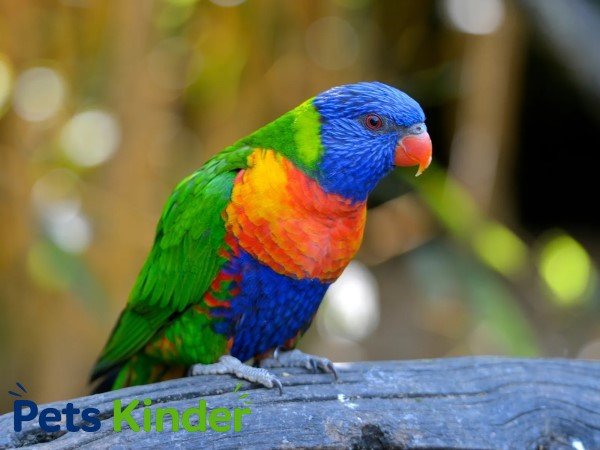
If a parrot and a hummingbird somehow had a child, it might look something like the rainbow lorikeet. Drenched in vivid reds, blues, greens, and oranges, these birds are among the most visually stunning animals you can keep as a companion. But beyond their breathtaking appearance lies a personality that is equally bold curious, loud, playful, and deeply affectionate. For the right owner, a rainbow lorikeet pet is one of the most rewarding avian companions imaginable. For the unprepared, it can be overwhelming fast.
This guide covers everything you genuinely need to know before bringing one home their biology, diet, care requirements, health concerns, and what long-term ownership actually looks like. Whether you’re searching for a rainbow lorikeet for sale or just exploring whether this species is right for you, read this first.
What Is a Rainbow Lorikeet?
A Parrot Built Differently
The rainbow lorikeet (Trichoglossus moluccanus) is a medium-sized parrot native to coastal Australia, eastern Indonesia, Papua New Guinea, and several surrounding island groups. Unlike most parrots, which eat seeds as their primary food source, rainbow lorikeets are nectarivores their entire digestive system evolved around consuming nectar, pollen, soft fruits, and flowers. This biological distinction shapes nearly every aspect of their care, from diet to housing to hygiene.
In the wild, lorikeets travel in loud, fast-moving flocks, covering considerable distances daily in search of flowering trees. They’re acrobatic, energetic, and almost constantly vocalizing. Understanding this wild behavior is essential because it tells you exactly what kind of stimulation and environment a rainbow lorikeet pet needs to thrive in captivity.
Physical Characteristics That Make Them Unmistakable
The rainbow lorikeet is genuinely one of the most colorful birds on Earth and not in a subtle way. A typical adult displays a deep blue head, bright orange-red chest, green back and wings, yellow-green collar, and a blue-black belly. The contrast between these colors is sharp and vivid, almost artificially bright, which makes them appear almost unreal in photographs and absolutely spectacular in person.
Adults typically measure 10 to 12 inches in length from beak to tail tip and weigh between 2.6 and 5.5 ounces (75–157 grams). Their build is streamlined narrower and more elongated than stockier parrots like conures or cockatiels which contributes to their remarkably agile flight. Their eyes are bright orange-red, and their beaks are a distinctive vivid orange that deepens with age.
The Rainbow Lorikeet Tongue: A Biological Marvel
One feature that genuinely sets this species apart from almost every other parrot is the rainbow lorikeet tongue. Unlike the firm, smooth tongues of seed-eating parrots, the lorikeet’s tongue is tipped with a brush-like structure made of elongated papillae essentially tiny bristles designed to efficiently lap up nectar and collect pollen from flowers. This specialized tongue is a direct adaptation to their nectarivorous diet and is one of the anatomical reasons why feeding lorikeets seeds or pellets designed for other parrots is genuinely harmful to them. Their digestive tract simply isn’t built for hard, dry foods the way other parrots’ are.
Rainbow Lorikeet as a Pet
Personality and Temperament
Few birds match the rainbow lorikeet’s energy and enthusiasm for life. They are intensely social, highly intelligent, and demand engagement from their owners in a way that surprises first-time keepers. A lorikeet that receives consistent interaction and enrichment becomes extraordinarily bonded to its human playful, affectionate, even cuddly in short bursts. They enjoy being handled, love exploring new objects, and will often seek out their owner’s attention actively rather than waiting passively.
That said, they are also loud. Rainbow lorikeets vocalize frequently and at full volume, particularly in the early morning and around dusk mirroring their wild behavior. Apartment living with a lorikeet is genuinely challenging for both the owner and the neighbors. Additionally, because their diet is liquid-heavy, their droppings are watery and frequent more so than most other parrot species. This means their enclosure and surrounding area requires more frequent cleaning than many owners anticipate.
Rainbow Lorikeet Price: What to Expect
The rainbow lorikeet price varies depending on the source, age, and whether the bird has been hand-raised. In the United States, hand-fed baby rainbow lorikeets typically sell for $400 to $800, with some premium color mutations or particularly well-socialized individuals priced higher. Parent-raised birds generally cost less but may require more patience and consistent handling to become fully tame.
When searching for a rainbow lorikeet for sale, prioritize reputable breeders over pet store chains. A responsible breeder will provide health records, allow you to visit the birds before purchase, and be willing to answer detailed questions about the bird’s diet and socialization history. Avoid any rainbow lorikeet for sale listing that cannot confirm the bird was legally bred and properly documented, particularly since importation laws vary significantly by state and country.
Diet and Nutrition
Feeding a Lorikeet Is Unlike Feeding Any Other Parrot
This is the area where rainbow lorikeet care diverges most dramatically from standard parrot husbandry. Because their brush-tipped tongue and specialized gut evolved around nectar and pollen, their captive diet must reflect that. Feeding seeds, standard parrot pellets, or dry foods as staples can cause serious nutritional deficiencies and long-term organ damage.
A proper rainbow lorikeet diet centers around:
- Commercial lorikeet nectar – Wet or dry lorikeet-specific nectar mixes form the dietary foundation. Wet mixes are generally preferred as they more closely mimic the moisture content of natural food sources.
- Fresh fruits – Apples, grapes, pears, melons, and berries are excellent daily additions. Always remove uneaten fruit promptly to prevent bacterial growth.
- Edible flowers and pollen – Bottlebrush, grevillea, and nasturtium flowers provide natural enrichment and nutritional variety when available.
- Leafy greens – Small amounts of spinach, kale, and similar greens round out their nutritional profile.
Foods to Strictly Avoid
Avocado, onion, garlic, chocolate, caffeine, and high-fat seeds like sunflower are all toxic or harmful to lorikeets. Because their liquid diet passes through quickly, any toxic substance is also absorbed rapidly — making dietary mistakes potentially more dangerous than in seed-eating parrots.
Fresh water must always be available separately from their nectar, and nectar bowls must be cleaned and refilled at least twice daily to prevent fermentation and bacterial contamination.
Care Requirements and Housing
Enclosure and Environment
Rainbow lorikeets are active birds that need space to move, climb, and play. A single bird requires a cage no smaller than 24 by 24 by 36 inches, though larger aviaries are strongly preferred, especially for pairs. Bar spacing should be no wider than ¾ inch to prevent injury.
Because their droppings are liquid and frequent, easy-clean cage materials are essential. Stainless steel cages are the most hygienic option. Cage liners need changing daily, and perches, toys, and food dishes require regular disinfecting. Providing a shallow water dish or small birdbath inside the enclosure encourages natural bathing behavior and helps maintain feather and skin health.
Lorikeets also need substantial daily out-of-cage time ideally two or more hours for exercise, mental stimulation, and human interaction.
Health and Common Medical Issues
Keeping a Rainbow Lorikeet Healthy
Access to an avian veterinarian experienced with lorikeets is critical. Annual wellness exams, fecal testing for parasites, and periodic bloodwork form the foundation of preventive care.
Lorikeet Paralysis Syndrome
One of the most concerning conditions affecting rainbow lorikeets is lorikeet paralysis syndrome, a neurological condition that causes progressive weakness and paralysis, typically beginning in the legs. The exact cause remains debated, though dietary deficiencies and certain plant toxins are suspected contributors. Early veterinary intervention significantly improves outcomes.
Candidiasis and Bacterial Infections
Because lorikeets eat sugar-rich, moist foods, they are more susceptible than most parrots to yeast overgrowth (Candida spp.) in the crop and digestive tract. Symptoms include regurgitation, lethargy, and loss of appetite. Maintaining clean food and water dishes, along with a properly balanced diet, dramatically reduces this risk.
Feather and Beak Issues
Psittacine beak and feather disease (PBFD) is a viral condition that affects lorikeets and other parrots, causing progressive feather loss and beak deformities. There is no cure, making prevention through quarantine of new birds and regular veterinary screening essential.
Nutritional Deficiencies
Lorikeets fed an improper diet develop iron storage disease, hypocalcemia, and vitamin deficiencies that affect everything from feather quality to organ function. Getting the diet right from day one is the single most impactful thing an owner can do for their bird’s long-term health.
Lifespan and Long-Term Commitment
How Long Do Rainbow Lorikeets Live?
With proper care, rainbow lorikeets live 15 to 20 years in captivity, and well-cared-for individuals occasionally exceed that range. This is a genuine two-decade commitment one that will outlast relationships, careers, and living situations for many owners.
Before purchasing a rainbow lorikeet for sale, ask yourself honestly whether you can provide consistent, high-quality care for an animal that will depend on you completely for the next 15 to 20 years. Their diet requires daily preparation, their enclosure needs frequent cleaning, and their social needs demand real engagement. They’re not a low-maintenance companion by any measure.
But for owners willing to meet those demands, the rainbow lorikeet delivers something few pets can a brilliant, animated, genuinely joyful presence that turns an ordinary day into something worth looking forward to.