The Jersey Giant: America’s Gentle Behemoth That Belongs in Every Backyard Flock

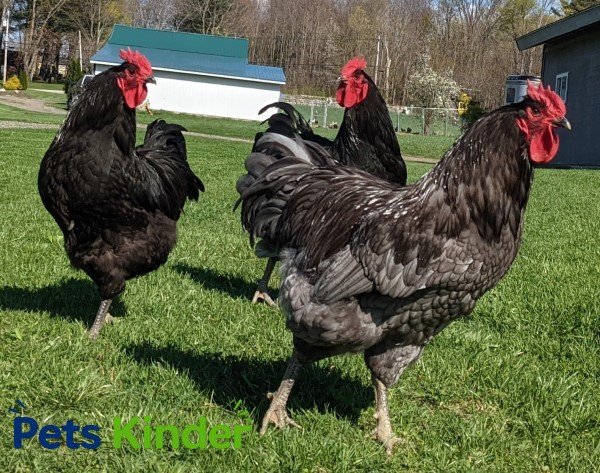
If you’ve ever stood next to a Jersey Giant and felt just a little bit small, you’re not alone. This breed doesn’t just enter a room it commands it. Developed right here in the United States during the late 1800s, the Jersey Giant has earned a permanent place in the hearts of backyard chicken keepers, small farmers, and poultry enthusiasts who appreciate a bird that delivers on both size and temperament. Whether you’re raising them for meat, eggs, or simply the joy of keeping something magnificent, these birds rarely disappoint.
A Brief History of the Jersey Giant
The Jersey Giant was developed in Burlington County, New Jersey, by brothers John and Thomas Black in the 1870s and 1880s. Their goal was ambitious: create a chicken large enough to compete with turkey as a meat source for American families. To achieve that, they crossed Black Javas, Dark Brahmas, and Black Langshans all heavy breeds with solid production records.
The result was a bird so impressive that it quickly attracted attention from breeders across the country. By 1922, the American Poultry Association officially recognized the Black Jersey Giant as a standard breed. The White variety followed in 1947, and the Blue variety earned recognition in 2003. Today, the Jersey Giant holds the distinction of being the largest purebred chicken breed developed in the United States a title it still owns without contest.
Key Features and Characteristics
Size and Build
When people talk about jersey giant chickens, the conversation almost always starts with size. These birds are genuinely enormous. Mature roosters typically weigh between 13 and 15 pounds, while hens usually come in at 10 to 11 pounds. Their bodies are long, broad, and well-muscled, with a deep chest and an upright, confident posture that makes them look even bigger than they are.
Despite their imposing frame, Jersey Giants move with a surprising degree of grace. They’re not clumsy or awkward like some heavy breeds. Their legs are long and sturdy, their shanks are clean (free of feathering), and their feet show yellow on the bottom a subtle but useful identification marker for the breed.
Jersey Giant Colors
One of the more underappreciated aspects of this breed is the variety of jersey giant colors available to keepers. The three recognized colors each have a distinct visual character.
Black
The Black Jersey Giant is the original and most iconic variety. Its plumage carries a rich, beetle-green iridescence in sunlight that makes it look almost metallic. The beak, shanks, and toes are black, though the bottom of the feet remains yellow. The eyes are dark brown, and the comb is a bright red single comb with five defined points.
White
The White variety is a striking contrast to the Black pure, clean white plumage across the entire body. Shanks and toes are dark willow or black, which creates an interesting visual contrast against the white feathers. Many keepers find White Jersey Giants easier to spot in the yard and enjoy the crisp, clean look they bring to a flock.
Blue
The Blue Jersey Giant is the newest and perhaps the most visually complex of the three. The blue coloration is actually a slate-gray with darker lacing on each feather, which gives the bird a layered, textured appearance. Because blue coloring in poultry genetics doesn’t breed true, Blue Jersey Giant chicks can hatch as black, blue, or splash making hatches from this variety particularly interesting.
Diet and Nutrition
Feeding jersey giant chickens properly is more involved than feeding smaller breeds simply because of their size. These birds eat more, grow slowly, and have nutritional needs that shift meaningfully across their life stages.
Chick Stage (0–8 Weeks)
Start Jersey Giant chicks on a high-quality chick starter with at least 20% protein. Because they grow so large, they need more protein during their early weeks than most standard breeds. Medicated starter can help protect against coccidiosis, especially in flocks without prior exposure. Fresh water must always be available, and shallow waterers help prevent drowning in very young chicks.
Grower Stage (8–20 Weeks)
Transition to a grower feed with 16–18% protein somewhere around eight weeks. At this stage, the birds are building bone and muscle rapidly, so calcium should remain moderate too much calcium early can cause kidney problems. Continue providing fresh water and consider offering oyster shell on the side for pullets beginning to approach laying age.
Adult Layer Diet
Once hens begin laying typically around 6 months switch to a layer feed with 16% protein and added calcium (around 3.5–4%). Jersey Giants are not high-frequency egg producers, but they do lay consistently, and their nutritional needs should be respected accordingly. Scratch grains can be offered as a treat but should never replace balanced feed. These birds are heavy and prone to obesity if allowed free access to high-calorie feeds without adequate foraging or exercise.
Health, Care, and Common Issues
Jersey Giants are generally a hardy breed. However, their size creates specific vulnerabilities that keepers should know about before bringing these birds home.
Housing and Space Requirements
Because of their size and weight, Jersey Giants need more vertical and horizontal space than most breeds. Roost bars should be lower to the ground ideally no more than 18 inches to prevent injuries when birds jump down. High roosts put serious stress on legs and feet of heavy birds over time. Coop floor space should be generous, with at least 4 square feet per bird inside and 10 square feet or more in the outdoor run.
Bedding must stay clean and dry. Jersey Giants are particularly susceptible to bumblefoot, a bacterial infection of the foot pad that develops when birds land heavily on hard or wet surfaces. Check feet regularly and treat any cuts, scabs, or swelling promptly.
Common Health Issues
Leg and Joint Problems
The weight these birds carry puts constant stress on their legs and joints. Watch for signs of lameness, swelling around the hocks, or reluctance to walk. Ensuring proper nutrition (particularly adequate but not excessive calcium and phosphorus) and providing low roosts helps minimize these issues significantly over a bird’s lifetime.
Marek’s Disease
Like all chickens, Jersey Giants are susceptible to Marek’s Disease, a viral condition that attacks the nervous system and causes paralysis, tumors, and death. Vaccination at hatch is the most effective preventive measure and is strongly recommended. Reputable hatcheries typically vaccinate automatically, but it’s always worth confirming.
Respiratory Infections
Jersey Giants can develop respiratory issues like Mycoplasma gallisepticum (MG) or infectious bronchitis, particularly in flocks with poor ventilation. Ensure the coop has adequate airflow without direct drafts, and quarantine any new birds for at least 30 days before introducing them to an established flock.
Behavioral Considerations
One of the great joys of keeping Jersey Giants is their temperament. These birds are famously docile, calm, and even friendly toward their keepers. Roosters of this breed are generally less aggressive than those of smaller, flightier breeds, which makes them a popular choice for families with children. However, their size means that even a non-aggressive rooster can cause unintentional injury, so supervision around very young children is still wise.
Jersey Giants are also relatively low-key foragers. They don’t tend to destroy gardens aggressively or wander as far as more active breeds. That said, they do appreciate space and perform better with access to a decent outdoor area.
Egg Production and Dual-Purpose Value
Hens typically lay 150–200 large brown eggs per year. That’s not exceptional by modern commercial standards, but it’s a solid number for a heritage dual-purpose breed of this size. The eggs tend to be quite large another perk of the breed’s impressive frame. Additionally, because jersey giant chickens grow slowly, their meat develops excellent flavor compared to fast-growing commercial broilers. They’re often preferred by homesteaders and small-scale farmers who prioritize taste over production speed.
Lifespan and Long-Term Considerations
With proper care, Jersey Giants typically live 5 to 7 years, and some well-kept birds reach 8 years or beyond. Their productive laying years generally last 3 to 4 years before egg production begins to decline. After that, many keepers choose to keep older birds as companions or process them for meat, though their large frames and slow growth mean older birds can be tougher than younger ones.
Long-term, one of the most important considerations for Jersey Giant keepers is weight management. As birds age, obesity becomes a real risk especially for confined hens. Keeping feed balanced, providing foraging opportunities, and avoiding excessive treats will go a long way toward supporting a longer, healthier life for these magnificent birds.
Is the Jersey Giant Right for You?
If you want a breed that combines impressive size, gentle temperament, reliable egg production, and genuine historical significance, the Jersey Giant is a strong candidate. These birds are not the most efficient egg producers on the market, and they do eat more than lighter breeds. But what they offer in return calm dispositions, beautiful plumage in multiple jersey giant colors, and a presence in the yard that simply can’t be matched makes them worth every extra cup of feed. For anyone serious about heritage breeds, the Jersey Giant isn’t just a good choice. It’s an American classic.