Irish Dogs: Breeds, Colors, Care, and Everything You Need to Know Before Bringing One Home

Ireland has given the world a lot of great things breathtaking landscapes, rich folklore, and some of the most remarkable dog breeds ever developed. Irish dogs carry a legacy that stretches back centuries, bred with purpose, shaped by terrain, and refined through generations of dedicated breeders. Whether you’re a lifelong dog enthusiast or someone just beginning to explore what an Irish dog breed has to offer, this guide walks you through everything from personality traits and coat colors to diet, health, and long-term care.
What Makes an Irish Dog Special?
Irish dogs weren’t bred for show, at least not originally. They were working animals hunters, herders, and loyal companions to farmers and nobility alike. That heritage shows in the way these dogs carry themselves. They tend to be athletic, intelligent, and deeply bonded to their families. Many Irish breeds also have a streak of independence that makes them fascinating but occasionally challenging to train.
These dogs typically thrive in active households. They need space, exercise, and mental stimulation. If you’ve been looking at an Irish dog for sale and wondering whether one fits your lifestyle, the honest answer is: it depends on how much time and energy you’re willing to invest. These are not couch dogs, though they certainly love a good cuddle after a long day outdoors.
Popular Irish Dog Breeds
Irish Setter
Perhaps the most recognizable of all Irish dog breeds, the Irish Setter is famous for its flowing mahogany coat and boundless enthusiasm. Originally developed as a gun dog for bird hunting, the Irish Setter is now one of the most beloved family dogs in the United States. It’s energetic, affectionate, and occasionally goofy in the most endearing way possible.
The Irish Setter tends to mature slowly, so expect puppy-like behavior well into the first two years. They do exceptionally well with children and other dogs, making them a popular choice for families with an active outdoor lifestyle.
Irish Wolfhound
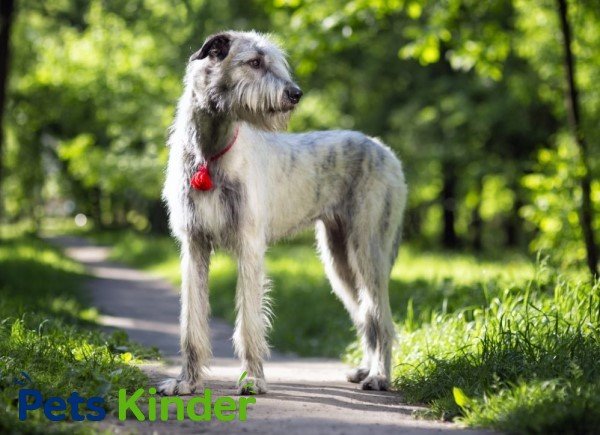
At the other end of the spectrum sits the Irish Wolfhound one of the tallest dog breeds in the world. These dogs were originally bred to hunt wolves and elk in Ireland, and their sheer size is still awe-inspiring today. Despite their imposing stature, Irish Wolfhounds are famously gentle, calm, and affectionate. They’re often described as “gentle giants,” and it’s a well-earned nickname.
Irish Terrier
The Irish Terrier is one of the oldest terrier breeds, known for its fiery red coat and spirited personality. Bold, loyal, and sometimes stubborn, this breed has historically been used as a farm dog, a watchdog, and even a war messenger during World War I. Today, Irish Terriers make wonderful family companions for those who enjoy a dog with a strong personality and a lot of heart.
Irish Water Spaniel
Less commonly known but equally impressive, the Irish Water Spaniel is the tallest of the spaniels. With its distinctive curly liver-colored coat and playful temperament, this breed excels in water retrieval and agility. It’s a smart, hardworking dog that bonds closely with its handler.
Irish Dog Colors
One of the most striking things about Irish dog breeds is the variety of coat colors and textures they display. Irish Setter colors range from rich chestnut to deep mahogany red, often with a lustrous, silky sheen. The Irish Terrier comes in solid shades of bright red, red wheaten, or golden red never mixed with black or white. Irish Wolfhounds, on the other hand, come in a broader range of irish dog colors including grey, brindle, red, black, white, and fawn. The Irish Water Spaniel is almost always liver-colored with tight, curly ringlets that make it instantly recognizable. This diversity across breeds means that no two Irish dogs look quite the same, even within the same breed.
Diet and Nutrition
Irish dog breeds, especially the larger ones like the Irish Wolfhound, have specific dietary needs that owners should understand from the start. Large and giant breeds are particularly prone to bloat (gastric dilatation-volvulus), so it’s critical to feed them two to three smaller meals per day rather than one large one. Elevated feeding bowls may help in some cases, though always consult your veterinarian about the best approach.
For most Irish dog breeds, a high-quality protein source should anchor the diet. Whether you choose dry kibble, wet food, or a raw diet, look for formulas that list real meat chicken, beef, lamb, or fish as the first ingredient. Irish Setters and Terriers generally do well on standard adult dog formulas tailored to their size and activity level, while Irish Wolfhounds may benefit from large-breed or giant-breed formulas that support joint health and controlled bone growth in puppies.
Omega-3 fatty acids are especially valuable for breeds with long or curly coats, as they support skin health and coat shine. Fresh water should always be available, particularly after vigorous exercise.
Health, Care, and Common Issues
Health Concerns by Breed
Every Irish dog breed comes with its own set of genetic health tendencies. Irish Setters are prone to hip dysplasia, progressive retinal atrophy (PRA), and a condition called canine leukocyte adhesion deficiency (CLAD). Responsible breeders screen for these conditions, so always ask for health certifications when looking at an Irish dog for sale.
Irish Wolfhounds, despite their noble appearance, unfortunately have a shorter lifespan than smaller breeds. Dilated cardiomyopathy (DCM), bone cancer, and liver shunt are among the most common issues. Regular cardiac screening is highly recommended.
Irish Terriers are generally hardy but can be susceptible to hyperkeratosis (thickening of the paw pads) and cystinuria, a kidney condition. Routine vet checkups go a long way toward catching these issues early.
Grooming and Coat Care
Grooming needs vary considerably across Irish dog breeds. The Irish Setter’s long, silky coat requires regular brushing ideally several times per week to prevent tangles and matting. The Irish Wolfhound has a rough, wiry outer coat that needs hand-stripping or brushing every one to two weeks. Irish Terriers also require hand-stripping to maintain the texture of their wiry coats, a task best done by a professional groomer familiar with the breed.
Exercise Requirements
All Irish dog breeds need regular, vigorous exercise. Daily walks aren’t usually enough. These dogs were built to run, retrieve, and work. Off-leash time in a securely fenced area is ideal, and many Irish dogs thrive with activities like agility, tracking, or swimming.
Characteristics, Lifespan, and Long-Term Considerations
The lifespan of an Irish dog depends heavily on the breed. Irish Setters typically live 12 to 15 years, while Irish Terriers often reach the same range. The Irish Wolfhound, sadly, has one of the shortest lifespans among purebreds typically 6 to 8 years, though some live longer with excellent care. The Irish Water Spaniel generally lives 10 to 12 years.
In terms of temperament, Irish dogs tend to be loyal, spirited, and affectionate. They form deep bonds with their families and can struggle with separation anxiety if left alone for extended periods. Early socialization and consistent training are essential, particularly with the more stubborn terrier types.
Long-term ownership of an Irish dog is a significant commitment. These are not low-maintenance pets. They need engagement, love, and purpose. But for the right owner, they reward that investment many times over with loyalty and personality that’s genuinely hard to match.
A Famous Admirer of Irish Dogs
Among the many celebrated figures who have owned and admired Irish Setters, President Richard Nixon famously kept one named King Timahoe during his time in the White House a nod to how deeply these red-coated beauties have captured the hearts of people across all walks of life.
Is an Irish Dog Right for You?
If you’re active, patient, and ready to invest time in training and socialization, an Irish dog breed can be one of the most rewarding companions you’ll ever have. They’re spirited without being aggressive, intelligent without being aloof, and affectionate in a way that makes every day a little warmer. Do your research, find a reputable breeder, ask the right health questions, and you’ll be on your way to one of the most fulfilling relationships a dog owner can experience.