Big Personality, Tiny Package: Everything You Need to Know About Bantam Chickens

If you’ve ever walked through a backyard coop and spotted a chicken that looks like a regular hen viewed through the wrong end of a telescope, you’ve probably met a bantam. Bantam chickens have become wildly popular among backyard poultry keepers, and it’s easy to see why. These small-scale birds pack enormous personality into a compact frame, making them perfect for families, hobby farmers, and anyone who wants the joy of raising chickens without needing acres of land. Whether you’re a beginner or a seasoned keeper looking to downsize your flock’s footprint, bantam chickens offer something genuinely special.
What Exactly Are Bantam Chickens?
Bantam chickens are miniature versions of standard chicken breeds, typically weighing anywhere from one to three pounds depending on the specific bantam chickens breed. Unlike a baby chick that simply hasn’t grown yet, bantams are fully mature adult birds that stay small their entire lives. Most bantam varieties are roughly one-fourth to one-fifth the size of their standard counterparts, though they retain the same instincts and charm you’d expect from full-sized poultry.
Interestingly, some bantam chickens exist as true bantams, meaning there’s no standard-sized equivalent at all. Others are miniaturized versions of existing large breeds, bred specifically to scale down size while preserving original coloring and temperament. This distinction matters if you’re trying to match a specific look or personality trait you admire in a larger breed.
Popular Bantam Chickens Types and Breeds
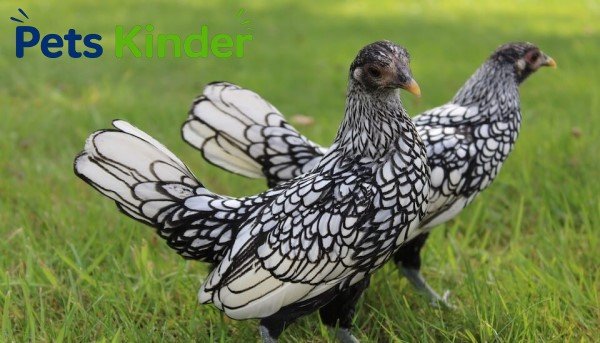
When it comes to bantam chickens types, the variety is impressive. Silkies are perhaps the most recognizable, known for fluffy, fur-like feathers and a docile nature. Sebrights stand out with laced feather patterns, while Old English Game bantams bring spunky energy in a small frame. Cochin bantams are fluffy and round, resembling feathered beach balls, and they’re popular with families due to their calm demeanor.
Other notable bantam chickens breed options include Dutch bantams, Japanese bantams with short legs and upright tails, and Polish bantams sporting feathered crests. Each breed brings its own personality and quirks, so researching specific types before bringing birds home pays off. Many breeders also offer mixed bantam flocks for those wanting variety without committing to a single breed.
Bantam Chickens Size and Physical Traits
Bantam chickens size is genuinely one of their defining appeals. Most adult bantams weigh between 16 and 30 ounces, making them dramatically smaller than standard breeds that often tip the scales at six to nine pounds. This compact size means bantams need less coop space, less feed, and less overall maintenance, which is a major reason they’ve become popular among urban and suburban chicken keepers working with limited yard space.
Despite their small stature, bantam chickens often display proportionally larger combs, wattles, and tail feathers relative to body size, giving them an almost exaggerated, ornamental appearance. This is intentional in many show breeds, where breeders select for dramatic features that stand out in exhibition settings. Because of this, bantams are frequently the stars of poultry shows and 4-H competitions nationwide.
Bantam Chickens Eggs: What to Expect
If you’re hoping for a steady supply of breakfast eggs, it’s worth setting realistic expectations around bantam chickens eggs. These birds lay eggs roughly half the size of standard chicken eggs, typically classified as small or peewee at the grocery store. However, many bantam breeds are surprisingly prolific layers, with some producing three to four eggs per week despite their tiny size.
The flavor and richness of bantam eggs is often comparable to standard eggs, just in a smaller format. Bakers particularly enjoy using bantam eggs because the smaller yolk-to-white ratio can improve certain recipes. That said, anyone planning to sell eggs commercially should factor in that bantam chickens eggs typically fetch lower prices per dozen simply due to their reduced size.
Diet and Nutrition for Bantam Chickens
Feeding bantam chickens isn’t drastically different from feeding standard breeds, though portion sizes matter more given their smaller digestive systems. A balanced layer feed with around 16 to 18 percent protein works well for most adult bantams, and fresh water should always be available. Because bantams eat noticeably less than standard chickens, overfeeding can quickly lead to obesity, which creates additional health complications down the line.
Supplementing their diet with occasional treats like leafy greens, mealworms, or chopped vegetables keeps bantams engaged and supports overall health. Calcium through crushed oyster shell is also important for laying hens, helping maintain strong eggshells. Since bantams are smaller, even minor dietary imbalances can have outsized effects, so consistency in feeding routine matters more than people often expect.
Health, Care, and Common Issues
Bantam chickens are generally hardy, but their small size does make them more vulnerable to certain risks compared to standard breeds. Predators pose a bigger threat since bantams are easier targets for hawks, raccoons, and even larger dogs. Secure coop fencing and overhead protection become essential rather than optional when raising these smaller birds.
Respiratory issues, mites, and lice are common concerns across all chicken breeds, and bantams are no exception. Regular coop cleaning, dust baths, and routine health checks go a long way toward prevention. Because bantams have smaller bodies, medication dosages sometimes need adjustment, so consulting a poultry-savvy veterinarian is wise whenever issues arise.
Characteristics, Lifespan, and Long-Term Considerations
Bantam chickens typically live between four and eight years, with some well-cared-for individuals reaching even longer lifespans. Their friendly, often docile temperament makes them excellent companions for children, and many bantam breeds are notably calmer than their standard-sized relatives. This gentle nature, paired with manageable size, is precisely why so many first-time chicken keepers gravitate toward bantams.
Long-term, prospective owners should consider that bantams require the same daily commitment as standard chickens despite their smaller footprint. Coop maintenance, predator-proofing, and seasonal care don’t shrink just because the bird did. Anyone serious about long-term poultry keeping should view bantams as a genuine commitment rather than a low-maintenance novelty, even though they’re certainly easier to manage than larger flocks.
Bantam Chickens Price and Where to Find Them
Bantam chickens price varies considerably depending on breed rarity, age, and whether you’re purchasing chicks or mature birds. Common breeds like Cochins or Old English Game bantams often start around fifteen to twenty-five dollars per chick, while rarer show-quality birds can climb upward of fifty dollars or more. Established laying hens typically cost more than chicks due to the investment already made in raising them.
Those searching for bantam chickens for sale will find options through local farm stores, agricultural fairs, online poultry hatcheries, and dedicated breeders specializing in specific bantam chickens breed varieties. Buying from reputable breeders ensures healthier birds and better breed accuracy. Joining local poultry-keeping groups can also connect buyers with trustworthy sellers, often at better prices than commercial hatcheries.
A Famous Fan of Backyard Chickens
Martha Stewart has long been an outspoken advocate for backyard poultry keeping, frequently showcasing her own flock across various breeds on her farm. Her enthusiasm has introduced countless newcomers to the hobby, including smaller breeds like bantams, which fit beautifully into the charming, picturesque coop setups she often features. Her influence has helped popularize chicken keeping as a rewarding, accessible pastime for everyday households.
Final Thoughts
Bantam chickens prove that great things really do come in small packages. From their manageable size and varied breed options to their charming personalities and reasonable care requirements, it’s no wonder these birds have captured the hearts of poultry enthusiasts everywhere. Whether you’re drawn in by their eggs, their looks, or simply their delightful presence in the backyard, bantam chickens offer a rewarding experience for keepers of all experience levels.