What Do Turtles Really Eat? The Complete Feeding Guide Every Turtle Owner Needs

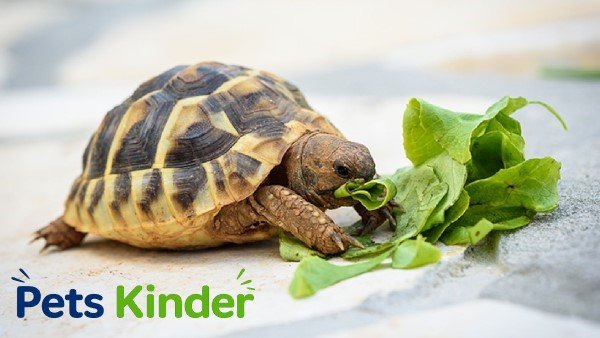
Feeding a turtle sounds simple until you actually start digging into it. Then you realize that what works for one species can seriously harm another, that age matters enormously, and that the gap between a thriving turtle and a sick one often comes down to diet. Turtles food is not a one-size-fits-all topic and treating it like one is one of the most common mistakes new keepers make. This guide breaks it all down clearly, species by species, age by age, so you can feed your turtle with real confidence.
Why Turtles Food Is More Complex Than Most People Expect
Turtles are one of the most diverse groups of reptiles on the planet. Some live entirely in water. Others roam forests and meadows. Some eat almost exclusively plants. Others are opportunistic omnivores that will consume nearly anything they encounter. Because of that diversity, understanding what your specific turtle needs and why is the foundation of good care.
Diet directly affects shell health, organ function, reproductive success, and lifespan. A turtle fed incorrectly over months or years will develop metabolic bone disease, vitamin deficiencies, kidney problems, or obesity. These conditions are largely preventable when feeding is done right from the start. So before you drop anything into a tank or habitat, it’s worth knowing exactly what you’re dealing with.
Box Turtles Food: Feeding the Forest Dweller
What Box Turtles Actually Need
Box turtles are terrestrial omnivores, and their diet in the wild is impressively varied. Box turtles food should reflect that variety as closely as possible in captivity. A good starting point is a rough ratio of 50% animal protein and 50% plant matter for adults, though younger box turtles generally need more protein to support their faster growth rate.
On the animal protein side, box turtles thrive on earthworms, crickets, mealworms, slugs, and the occasional pinky mouse for larger adults. These protein sources closely mirror what a box turtle would encounter while foraging through leaf litter and soil. Variety here is important relying on a single feeder insect creates nutritional gaps over time.
Vegetables, Fruits, and Supplementation
For the plant half of their diet, dark leafy greens like collard greens, dandelion greens, and mustard greens deliver strong nutritional value. Squash, bell peppers, and shredded carrots round things out well. Fruits like strawberries, blueberries, and melon can be offered occasionally as treats, but fruit should stay limited because of its sugar content. Calcium supplementation through dusted feeders or a cuttlebone kept in the enclosure helps prevent shell and bone problems that are extremely common in captive box turtles.
Baby Turtles Food: Getting the Early Stages Right
Why Hatchling Nutrition Is Critical
The early months of a turtle’s life are when nutritional mistakes cause the most lasting damage. Baby turtles food needs to be high in protein and rich in calcium to support rapid shell calcification and skeletal development. A hatchling that doesn’t get adequate calcium during its first year often develops a permanently soft or deformed shell a problem that cannot be fully reversed later.
Feeding Frequency and Food Size
Baby turtles should be fed daily, unlike adults which can be fed every other day or a few times per week depending on species. Food items need to be appropriately sized a good rule of thumb is to offer pieces no larger than the space between the turtle’s eyes. That sizing guideline applies across species and helps prevent choking and digestive impaction in small animals.
For baby aquatic species, finely chopped leafy greens, tiny live or frozen bloodworms, and high-quality commercial pellets formulated for hatchlings work well together. For baby box turtles, small earthworms, finely chopped vegetables, and soft fruits in small amounts provide a balanced start. Always dust food with a calcium-D3 supplement at least three to four times per week during the hatchling stage.
Aquatic Turtles Food: Feeding Life in the Water
The Omnivore’s Aquatic Diet
Aquatic turtles including red-eared sliders, painted turtles, map turtles, and cooters are some of the most commonly kept pet turtles in the United States. Aquatic turtles food generally skews more heavily toward protein when these animals are young and shifts toward more plant matter as they mature. A juvenile red-eared slider, for example, might eat 70% protein and 30% plant matter, while an adult of the same species often reverses that ratio.
Commercial Pellets and Live Foods
High-quality commercial pellets designed specifically for aquatic turtles form a solid dietary base. Look for pellets that list whole fish or shrimp meal as a primary ingredient rather than fillers. Beyond pellets, aquatic turtles benefit enormously from variety. Feeder fish, ghost shrimp, earthworms, and aquatic plants like duckweed, water hyacinth, and romaine lettuce all add nutritional breadth and behavioral enrichment.
Feeding in Water vs. Dry Land
One important consideration with aquatic turtles is that most of them prefer and often require eating in water. Attempting to feed them on land can cause stress and food refusal. Drop food directly into the water, and if you want to keep the tank cleaner, use a separate feeding container with a small amount of tank water so the turtle can eat without fouling its primary enclosure.
Best Turtles Food: What Belongs in Every Turtle’s Diet
The Universally Strong Options
Regardless of species, some foods consistently deliver strong nutritional value across the board. When evaluating the best turtles food for your setup, these items belong at the top of the list. Earthworms are arguably the single best all-around protein source for most omnivorous and carnivorous turtle species they’re nutritious, easy to source, and readily accepted by even picky eaters.
Dark leafy greens, particularly dandelion greens, endive, and escarole, provide excellent calcium-to-phosphorus ratios that support shell health without contributing to the imbalances that come from high-phosphorus foods like spinach and kale. Spinach and kale aren’t toxic, but their oxalic acid content binds calcium and makes it unavailable for absorption so they’re best used sparingly or avoided altogether.
Foods to Avoid Across Species
Certain foods are problematic for virtually all turtles regardless of species. Processed human foods, dairy products, bread, and anything high in salt or preservatives have no place in a turtle’s diet. Fireflies are toxic to many turtle species and should never be offered as feeder insects. Avocado contains persin, a compound harmful to reptiles. Iceberg lettuce offers almost no nutritional value and should be replaced with more nutrient-dense greens.
Sea Turtles Food: Understanding the Wild Feeders
Diet by Species in the Wild
Sea turtles food varies dramatically depending on the species, and while most readers won’t be keeping sea turtles at home, understanding their diets helps contextualize why diet specialization matters so profoundly in this group. Green sea turtles are almost entirely herbivorous as adults, grazing on seagrasses and algae in shallow coastal waters. Their diet shapes not only their own health but the health of the seagrass meadows they maintain through grazing.
Loggerhead sea turtles, by contrast, are powerful carnivores equipped with strong jaws designed to crush hard-shelled prey crabs, clams, conchs, and horseshoe crabs make up a significant part of their diet. Leatherbacks specialize almost exclusively on jellyfish, consuming enormous quantities to meet their high energy demands. Hawksbill sea turtles use their narrow, pointed beaks to pick sponges from coral reefs a dietary specialization so specific that very few other marine animals compete with them for the same food source.
Health, Care, and Feeding-Related Issues
Metabolic Bone Disease
Metabolic bone disease (MBD) is the most common nutrition-related health problem in captive turtles. It develops when calcium and vitamin D3 are consistently inadequate, causing bones and shells to soften, deform, and fracture. Prevention requires proper calcium supplementation, appropriate UVB lighting for all species that need it, and feeding calcium-rich foods consistently. Once MBD progresses significantly, treatment is difficult and outcomes are unpredictable.
Vitamin A Deficiency
Vitamin A deficiency produces a condition called hypovitaminosis A, characterized by swollen eyelids, respiratory infections, and lethargy. It’s almost entirely a diet-driven problem, typically caused by feeding too many low-nutrient foods and not enough dark leafy greens or foods naturally rich in beta-carotene. Correcting the diet early resolves mild cases, but severe cases require veterinary intervention with injectable or oral vitamin A supplementation.
Obesity and Overfeeding
Overfeeding is a genuine and underappreciated problem in captive turtles, particularly with aquatic species that eagerly accept food every time it’s offered. Obesity stresses internal organs, impairs reproduction, and shortens lifespan. Feeding appropriate portions on a proper schedule rather than feeding ad libitum goes a long way toward keeping captive turtles at healthy body weights throughout their lives.
Lifespan and Long-Term Dietary Considerations
Turtles are extraordinarily long-lived animals. Box turtles routinely reach 40 to 50 years in captivity with good care, and some individuals exceed 100 years. Aquatic species like red-eared sliders commonly live 20 to 40 years. Sea turtles in the wild can live 80 years or more. What this means practically is that dietary decisions you make today compound over decades. Consistently poor nutrition shortens that lifespan significantly, while thoughtful, species-appropriate feeding keeps these animals healthy, active, and thriving for generations.
Adjusting diet as your turtle ages is also essential. Protein needs drop as most species reach adulthood, while fiber and plant matter become proportionally more important. Staying attentive to your turtle’s body condition neither too thin nor overweight and adjusting portions accordingly is the single most impactful long-term management habit any turtle keeper can develop.
Feeding Your Turtle Well Is Feeding It for Life
At the end of the day, turtles food is about matching what an animal evolved to eat with what you can realistically and consistently provide in captivity. That takes some research, some variety, and a willingness to move beyond the idea that a single commercial product is enough. When you get it right, the results show in brighter eyes, harder shells, stronger activity levels, and a turtle that lives the full, long life it’s capable of.