The Complete Guide to Crested Gecko: Care, Diet, Size, Lifespan, and Choosing the Perfect Companion

Discover Why This Unique Reptile Has Become a Favorite Among Modern Pet Owners
A crested gecko is one of the most fascinating reptiles for beginners and experienced keepers because of its gentle personality, attractive appearance, and relatively simple care requirements. Native to New Caledonia, this small tree-dwelling reptile has gained worldwide popularity due to its colorful patterns, large expressive eyes, and ability to adapt well to a home environment. Unlike many reptiles, it does not require complicated setups, making it an appealing choice for people who want a unique animal companion.
Understanding the Natural Characteristics of a Crested Gecko
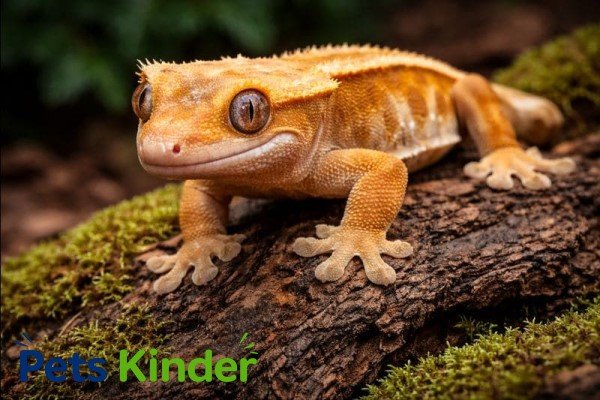
A crested gecko is recognized by the raised ridges that run from its eyes along the sides of its body, giving it a distinctive and charming appearance. These reptiles come in many colors and patterns, including orange, cream, brown, and spotted varieties. Their sticky toe pads allow them to climb smooth surfaces, while their prehensile tails help them balance when moving through branches and plants.
One of the biggest reasons people choose this reptile is its calm nature. A properly handled animal can become comfortable around humans and often shows curiosity instead of aggression. Many owners describe their companion as active, entertaining, and surprisingly interactive. However, they still need respectful handling because their delicate skin and tail require careful attention.
Crested Gecko Size and Physical Development
When discussing the crested gecko size, it is important to understand that these reptiles remain relatively small compared to many other pet lizards. Adults usually reach around 7 to 9 inches in total length, including the tail. Their lightweight body makes them easy to house, but they still require enough vertical space because they naturally enjoy climbing and exploring elevated areas.
Young animals grow gradually, and their development depends on genetics, nutrition, and overall care quality. A healthy enclosure with proper humidity, temperature, and hiding spaces supports natural growth. Although their small body may make them seem fragile, they can become strong and active when owners provide the correct environment from an early age.
Creating the Ideal Habitat and Daily Care Routine
Providing the right habitat is essential for maintaining a healthy crested gecko. A tall enclosure works better than a wide one because this species enjoys climbing rather than staying on the ground. Owners should include branches, artificial plants, climbing structures, and hiding areas to create a comfortable environment that resembles their natural forest habitat.
Humidity plays a major role in their wellbeing because these reptiles come from tropical surroundings. Regular misting helps maintain moisture levels, while proper ventilation prevents excessive dampness that can lead to health concerns. Additionally, keeping the enclosure clean reduces stress and lowers the risk of bacterial problems. A stable routine helps the animal feel secure and supports long-term health.
Crested Gecko Food and Nutrition Requirements
Choosing the right crested gecko food is one of the most important parts of responsible ownership. These reptiles are naturally omnivorous and can eat a combination of prepared diets, insects, and occasional fruits. Many keepers use specially formulated powdered diets that contain balanced nutrients, vitamins, and minerals designed specifically for their needs.
In addition, insects such as small crickets and other suitable feeder insects can provide valuable protein. However, owners should avoid offering inappropriate foods because poor nutrition may cause weakness, weight problems, or bone-related issues. Fresh water should always be available, and feeding schedules should match the animal’s age, activity level, and health condition.
Health Care and Common Problems to Watch For
A healthy crested gecko usually has clear eyes, active movement, and a strong appetite. Still, like all pets, they can experience health issues if their environment or diet is not managed properly. Common concerns include dehydration, shedding problems, nutritional deficiencies, and infections caused by poor enclosure conditions.
Regular observation helps owners notice changes early. If the reptile becomes unusually inactive, refuses food for long periods, or shows physical changes, professional veterinary advice may be necessary. Many health problems can be prevented through proper humidity control, balanced nutrition, and maintaining a clean living space. Preventive care remains one of the best ways to support a long and comfortable life.
Crested Gecko Lifespan and Long-Term Commitment
The crested gecko lifespan can often reach 15 to 20 years or more when owners provide excellent care. This means choosing one is a long-term responsibility rather than a short-term hobby. Before bringing one home, potential owners should consider the time, financial commitment, and daily attention required throughout the animal’s life.
Because these reptiles can live for many years, building a consistent care routine is extremely important. A stable habitat, proper feeding, and regular health monitoring can significantly improve their quality of life. Many owners develop a strong connection with these reptiles because they become familiar with daily routines and display unique personalities over time.
Finding a Crested Gecko and Understanding Ownership Costs
The crested gecko price can vary depending on factors such as color pattern, age, genetics, and breeder reputation. Common varieties are usually more affordable, while rare patterns and special morphs may cost considerably more. Buyers should focus on health and responsible breeding practices rather than choosing an animal only based on appearance.
People searching for a crested gecko foe sale should carefully evaluate the seller, ask about the animal’s history, and confirm that the reptile appears healthy. A responsible source will provide information about feeding habits, age, and care requirements. Investing time in research before purchasing helps create a better experience for both the owner and the animal.
Why Famous Animal Lovers Inspire Responsible Pet Ownership
Many famous personalities have influenced the way people view animals and responsible companionship. For example, the work of wildlife communicator and conservationist Steve Irwin inspired millions of people to respect reptiles and understand their importance in nature. His passion showed that learning about animals creates deeper appreciation and encourages better care practices among pet owners.
Although a household reptile is different from wildlife conservation, the same principle applies: understanding an animal’s natural behavior leads to better decisions. A knowledgeable owner can provide a safer environment and develop a stronger relationship with their companion. Education remains the foundation of responsible reptile ownership.
Final Thoughts on Choosing a Crested Gecko as a Companion
A crested gecko offers a unique combination of beauty, personality, and manageable care needs, which explains why it has become one of the most popular pet reptiles today. With proper housing, nutrition, and attention, this small creature can bring years of enjoyment to a dedicated owner. It is not only an interesting animal to observe but also a responsibility that requires commitment.
Before adopting one, future owners should learn about behavior, diet, habitat needs, and health requirements. A well-prepared home creates a positive experience and helps the reptile thrive. With patience and proper care, a crested gecko can become a memorable and rewarding companion for many years.