Ayam Cemani Eggs: The Rare Treasure Behind the World’s Most Fascinating Black Chicken

Among the many exotic poultry breeds found around the world, few capture attention quite like the ayam cemani. Famous for its striking black appearance and mysterious origins, this Indonesian breed has become highly sought after by breeders, hobby farmers, and poultry enthusiasts. While many people are fascinated by the bird itself, ayam cemani eggs have also become a topic of growing interest due to their rarity, breeding value, and connection to one of the most unique chicken breeds on Earth.
Despite popular myths, ayam cemani eggs are not black on the outside. However, they remain highly valuable because they produce offspring from a breed known for its extraordinary genetic characteristics. Whether you are considering breeding these birds, learning about their care, or exploring the market for ayam cemani for sale, understanding the importance of ayam cemani eggs is essential.
What Are Ayam Cemani Eggs?
Ayam cemani eggs are the eggs laid by hens of the rare ayam cemani breed. Originating in Indonesia, these chickens possess a genetic condition called fibromelanosis, which causes excessive black pigmentation throughout much of their body. Their feathers, skin, comb, wattles, and even many internal organs appear black.
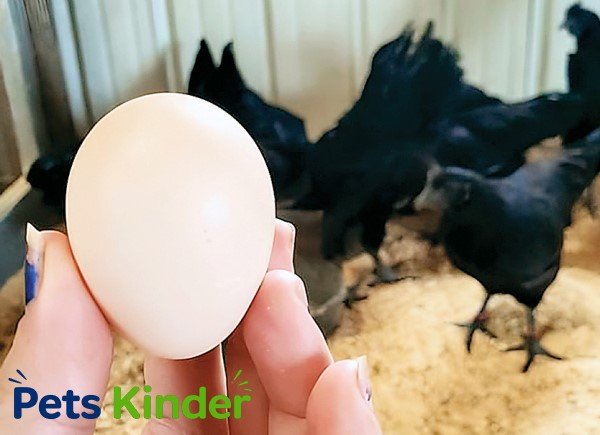
Many first-time enthusiasts expect ayam cemani eggs to share this dark coloration. However, the eggs are typically cream-colored or light beige, much like those produced by many traditional chicken breeds. Nevertheless, the value of ayam cemani eggs comes from the exceptional birds they can hatch rather than their shell color. As a result, fertile eggs often command premium prices in the poultry market.
Unique Characteristics of the Ayam Cemani Breed
The popularity of ayam cemani eggs stems directly from the remarkable characteristics of the breed itself. These birds stand apart from nearly every other chicken breed because of their dramatic appearance and genetic uniqueness.
Complete Black Appearance
The most defining feature of the ayam cemani is its deep black pigmentation. From head to toe, nearly every visible part of the bird displays a rich black color. Even the tongue, bones, and organs often show varying levels of dark pigmentation.
This rare appearance has led to legends and cultural significance in its native Indonesia. Consequently, breeders around the world continue to seek quality ayam cemani eggs to preserve and expand bloodlines.
Calm and Intelligent Temperament
Although their appearance may seem intimidating, ayam cemani chickens are generally calm and alert birds. They adapt well to attentive care and often develop strong awareness of their surroundings. Furthermore, their intelligence makes them relatively easy to manage within properly maintained poultry environments.
Ayam Cemani Eggs and the Hatching Process
Many poultry enthusiasts purchase ayam cemani eggs specifically for breeding purposes. Fertile eggs provide an opportunity to raise these rare birds from the very beginning and establish valuable breeding stock.
Successful hatching requires proper incubation conditions, including stable temperatures and controlled humidity levels. Additionally, careful egg handling improves hatch rates and helps ensure healthy chick development. Since ayam cemani eggs can be expensive, breeders often invest significant effort into creating ideal incubation environments.
When eggs hatch successfully, owners are rewarded with adorable ayam cemani chiks that gradually develop the breed’s distinctive black coloration as they mature.
Caring for Ayam Cemani Chiks
Raising ayam cemani chiks requires attention, patience, and a commitment to proper poultry management. Newly hatched chicks need a warm brooder environment, clean water, and balanced starter feed to support healthy growth.
During the first few weeks, temperature regulation remains especially important. Chicks cannot effectively maintain body heat on their own, so supplemental heating is essential. Moreover, providing adequate space reduces stress and encourages natural development.
As ayam cemani chiks grow, they gradually display the elegant physical traits that make the breed famous. With proper nutrition and care, these birds can mature into healthy breeding stock capable of producing future generations of quality ayam cemani eggs.
Diet and Nutrition Requirements
Like all poultry breeds, ayam cemani chickens require a balanced diet to maintain health and maximize egg production. Nutrition directly influences the quality and viability of ayam cemani eggs, making feeding programs particularly important for breeders.
Essential Nutrients
A complete poultry feed should provide adequate protein, vitamins, minerals, and energy sources. Protein supports feather development and muscle growth, while calcium contributes to strong eggshell formation. Additionally, vitamins and trace minerals help maintain immune function and reproductive health.
Many breeders supplement diets with greens, grains, and occasional treats. However, maintaining nutritional balance remains the primary objective. Poor feeding practices can negatively affect egg production and overall flock performance.
Fresh Water Access
Clean water is equally important. Chickens consume significant amounts of water daily, especially during warm weather. Consistent hydration supports digestion, metabolism, and healthy laying cycles for hens producing ayam cemani eggs.
Ayam Cemani Meat and Market Interest
Although most people value the breed for its appearance and breeding potential, ayam cemani meat also attracts attention due to its unusual pigmentation. The dark coloration extends into portions of the muscle tissue, creating a unique visual presentation that differs from conventional poultry.
However, many owners choose not to raise these birds primarily for meat production. Instead, breeders often focus on preserving bloodlines and producing fertile ayam cemani eggs. Consequently, the breed remains more popular among collectors and specialty poultry enthusiasts than commercial meat producers.
Health, Care, and Common Diseases
Proper health management plays a major role in maintaining productive flocks and ensuring high-quality ayam cemani eggs. Fortunately, the breed is generally hardy when raised under suitable conditions.
Common Health Issues
Like other chickens, ayam cemani can experience respiratory infections, parasitic infestations, and digestive disorders. External parasites such as mites and lice may cause discomfort and reduce overall health if left untreated.
Regular coop cleaning, good ventilation, and proper sanitation significantly reduce disease risks. Furthermore, routine observation allows owners to identify health concerns before they become serious problems.
Preventive Care
Vaccination programs may be appropriate depending on local poultry disease risks. Quarantining new birds before introducing them to established flocks also helps prevent disease transmission. These preventive measures support healthier birds and improve reproductive success.
Lifespan and Long-Term Considerations
One reason breeders invest in ayam cemani eggs is the breed’s potential for long-term value. Healthy ayam cemani chickens often live between six and ten years, though some individuals may live even longer with excellent care.
Because these birds remain relatively rare, maintaining strong genetics requires thoughtful breeding practices. Responsible breeders carefully select mating pairs to preserve desirable traits while minimizing genetic weaknesses. Therefore, long-term planning becomes essential for anyone interested in developing a sustainable breeding program.
Owners should also consider housing requirements, ongoing feed costs, veterinary expenses, and future breeding goals. These factors contribute significantly to the overall success of raising ayam cemani chickens.
Understanding Ayam Cemani Price and Availability
The rarity of the breed heavily influences ayam cemani price levels across different markets. Fertile ayam cemani eggs often cost significantly more than standard chicken eggs because demand exceeds supply. Similarly, breeding-quality birds can command substantial prices.
When searching for ayam cemani for sale, buyers should carefully evaluate breeder reputation, genetic quality, and flock health records. Reputable breeders typically provide detailed information regarding lineage and breeding practices. Although prices may be higher, quality stock often delivers better long-term results.
Interest in ayam cemani eggs continues to grow worldwide, making them a valuable investment for dedicated poultry enthusiasts seeking something truly unique.
A Breed Admired Around the World
Rare animal breeds often inspire fascination among people who appreciate uniqueness and biodiversity. Similar to how renowned conservation advocate Jane Goodall has encouraged global appreciation for rare and remarkable animals, poultry enthusiasts continue promoting awareness of unusual breeds such as the ayam cemani.
This growing interest helps support conservation breeding efforts and encourages responsible ownership practices. As awareness expands, more people gain opportunities to learn about the fascinating genetics and history behind ayam cemani eggs.
Conclusion
Ayam cemani eggs represent far more than ordinary poultry eggs. They are the starting point for one of the world’s most extraordinary chicken breeds, known for its stunning black appearance, unique genetics, and growing popularity among poultry enthusiasts. From raising healthy ayam cemani chiks to understanding nutrition, breeding practices, and ayam cemani price considerations, successful ownership requires dedication and knowledge.
As demand for ayam cemani for sale continues to increase, these remarkable birds remain a symbol of rarity and beauty within the poultry world. For breeders, hobby farmers, and collectors alike, ayam cemani eggs offer an exciting opportunity to participate in the preservation of a truly exceptional breed.