There are reptiles, and then there are panther chameleons. Few creatures in the animal kingdom command attention the way this species does shifting through electric blues, blazing oranges, deep crimsons, and vivid greens as easily as most animals breathe. For reptile enthusiasts, owning a panther chameleon feels less like keeping a pet and more like housing a living work of art. But stunning looks aside, this is a species that demands serious commitment, specific knowledge, and consistent care. If you’re considering one or simply fascinated by them this guide covers everything from panther chameleon care fundamentals to lifespan, types, pricing, and the health challenges every owner should know.
What Is a Panther Chameleon?
Key Features and Characteristics
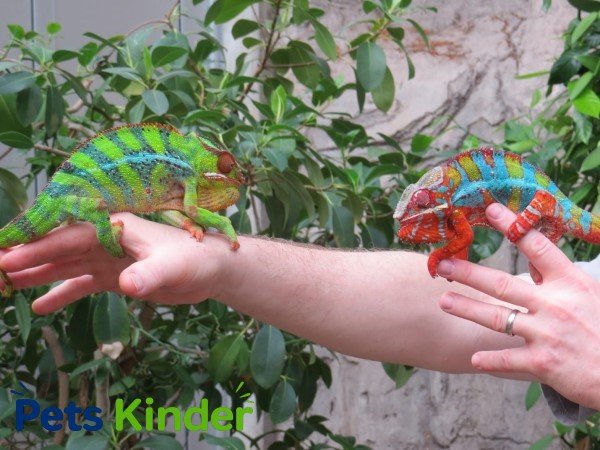
The panther chameleon (Furcifer pardalis) is a medium-to-large chameleon species native to the tropical lowlands and coastal areas of Madagascar. Males are dramatically larger and more colorful than females, typically reaching 14 to 21 inches in total length, including the tail. Females stay considerably smaller usually 10 to 14 inches and display more muted coloration, typically ranging from tan and brown to soft pink and peach, especially when gravid (carrying eggs).
Their most iconic trait is, of course, color change. Unlike the popular myth that chameleons change color purely for camouflage, panther chameleons primarily shift colors to communicate mood, regulate body temperature, and signal readiness to mate. Specialized cells called chromatophores and iridophores beneath their skin contain pigments and microscopic crystals that reflect light differently depending on the animal’s emotional and physical state. When a male panther chameleon is calm and content, his colors are relaxed and moderate. When he’s excited, threatened, or courting a female, the colors intensify dramatically almost unbelievably so.
Beyond color, panther chameleons have independently moving eyes that can rotate 360 degrees, giving them a near-complete field of vision without moving their heads. Their long, sticky tongues can extend up to twice their body length and strike prey in under 0.07 seconds one of the fastest movements recorded in vertebrates. Their zygodactyl feet, with toes fused into opposing groups of two and three, grip branches with extraordinary precision.
Panther Chameleon Types: Understanding Locales
What Are Locales and Why Do They Matter?
When experienced keepers and breeders refer to panther chameleon types, they’re typically talking about locales geographic populations from different regions of Madagascar that display distinctly different color patterns and base hues. Because Madagascar’s terrain is fragmented by rivers and varied habitats, panther chameleon populations evolved in relative isolation, producing visually distinct regional variants. These aren’t separate subspecies scientifically, but the differences in appearance are significant enough that locale names carry serious weight in the hobby.
Some of the most sought-after and well-known locales include:
Ambilobe — perhaps the most popular locale in captivity, Ambilobe males are famous for their vivid red-and-blue or yellow-and-blue color combinations. The contrast is sharp and dramatic, making them a top choice for collectors and first-time buyers alike.
Nosy Be — named after an island off Madagascar’s northwest coast, this locale produces males that are predominantly electric blue. The intensity of the blue coloration in high-quality Nosy Be specimens is genuinely breathtaking.
Ambanja — Ambanja males typically display rich blue bodies with red or green barring. They’re highly valued for their depth of color and consistent patterning.
Tamatave — found along Madagascar’s eastern coast, Tamatave chameleons often show red and orange tones with green accents. They’re less commonly seen in captivity but are prized by serious collectors.
Sambava — known for bold red-and-yellow or orange coloration, Sambava males are vivid and distinct, with a fiery appearance that sets them apart from blue-dominant locales.
Each locale carries its own aesthetic appeal, and many dedicated breeders focus exclusively on maintaining locale-pure bloodlines to preserve the authenticity and visual integrity of each regional variant.
Panther Chameleon Price: What to Expect
The Real Cost of Owning One
Panther chameleon price varies considerably depending on locale, age, sex, lineage, and the reputation of the breeder. Generally speaking, a captive-bred juvenile or young adult male from a reputable breeder costs between $150 and $500 in the United States. High-color specimens from prized locales like Nosy Be or Ambilobe particularly those from proven, colorful bloodlines can command $300 to $600 or more. Females are typically less expensive, often ranging from $75 to $200, due to lower demand driven by their less vivid coloration.
Beyond the animal itself, the startup cost of proper housing and equipment is substantial. A well-built screen enclosure for an adult male runs $150 to $300. Quality UVB lighting, a basking bulb, a misting system or fogger, live plants, branches, and a dripper system for hydration collectively add another $200 to $500. Ongoing expenses include feeder insects, gut-loading foods, calcium and vitamin supplements, and annual veterinary visits with an exotic animal specialist.
In short, the panther chameleon itself may be the smallest line item in your first-year budget. Going in financially unprepared is one of the most common reasons these animals end up in the wrong hands or receive substandard care.
Panther Chameleon Care: What This Species Truly Needs
Housing and Environment
Proper panther chameleon care starts with the enclosure. Screen cages are strongly preferred over glass terrariums because they allow the airflow this species needs to thrive. Stagnant air increases humidity beyond healthy levels and promotes bacterial and respiratory problems. An adult male requires a minimum enclosure size of 24 x 24 x 48 inches larger is always better. Females can be housed in slightly smaller setups, but generous space still matters.
Temperature gradients are critical. The basking spot should reach 85°F to 95°F, while the cool end of the enclosure should stay between 70°F and 80°F. Nighttime temperatures can drop to the mid-60s°F, which actually benefits the animal’s long-term health. Never allow temperatures to exceed 95°F for extended periods, as heat stress can kill a chameleon quickly.
UVB lighting is non-negotiable. Panther chameleons require UVB exposure to synthesize vitamin D3 and properly absorb calcium. Without it, metabolic bone disease develops, and it does so faster than most owners expect. A high-output T5 HO UVB bulb rated at 5.0 or 6% should run 10 to 12 hours daily and be replaced every six months, even if it still appears to be working UVB output degrades before visible light does.
Hydration requires consistent attention. Panther chameleons do not typically drink from standing water bowls. Instead, they lap water droplets from leaves. An automatic misting system that runs two to four times daily for one to two minutes per session keeps hydration levels appropriate and maintains humidity between 50% and 70%. A simple drip system can supplement misting between cycles.
Diet and Nutrition
Panther chameleons are insectivores. Their diet in captivity revolves primarily around crickets, dubia roaches, hornworms, silkworms, and occasionally waxworms as treats. Variety is important feeding only one insect species creates nutritional gaps that compound over time. Larger adult males can also occasionally accept small super worms, but high-fat feeders like waxworms should stay limited.
Gut-loading is essential. Feeder insects should eat nutritious food leafy greens, squash, sweet potato, and quality commercial gut-load products for at least 24 hours before being fed to the chameleon. An insect that has been starving passes almost no nutritional value. Additionally, dusting feeders with calcium without vitamin D3 at most feedings, and with a full multivitamin supplement twice per month, helps prevent deficiency-related diseases.
Juveniles eat more frequently than adults daily feeding with 10 to 15 appropriately sized insects. Adults typically eat every other day, with 5 to 10 insects per feeding. Overfeeding adult chameleons, especially females, contributes to reproductive complications and organ stress.
Panther Chameleon Lifespan and Long-Term Health
How Long Do They Live?
The panther chameleon lifespan differs significantly between sexes, which is important to understand before choosing one. Males typically live 5 to 7 years in captivity under good care. Females have notably shorter lifespans usually 3 to 5 years largely due to the physical toll of egg production. Even unmated females produce infertile clutches of eggs, a process called cycling that drains calcium and energy. Providing a lay box at all times and ensuring excellent nutrition helps females live as long as possible.
Common Health Issues
Metabolic bone disease (MBD) is the most common preventable illness in captive panther chameleons. It results from inadequate calcium, vitamin D3, or UVB exposure and causes soft, deformed bones, tremors, and eventually death. Catching it early with veterinary intervention and correcting husbandry gives affected animals a fighting chance, but prevention through proper lighting and supplementation is far preferable.
Respiratory infections often develop from improper humidity either too high and stagnant, or combined with cold temperatures. Symptoms include wheezing, mucus around the mouth, and labored breathing. These infections require prompt veterinary treatment with appropriate antibiotics prescribed by an exotic animal specialist.
Dystocia egg binding is a serious and potentially fatal complication in females who cannot successfully deposit their eggs. Ensuring a deep, accessible lay box filled with moistened substrate allows females to dig and lay comfortably. A female that strains repeatedly without laying needs emergency veterinary care.
Parasites, both internal and external, occur more frequently in wild-caught specimens than in captive-bred animals. This is one of the strongest arguments for purchasing only from reputable captive breeders who maintain clean, monitored breeding operations.
Is the Panther Chameleon the Right Reptile for You?
The panther chameleon rewards dedication with something few other pets can offer: a daily experience that genuinely astonishes. Watching one shift colors, strike a cricket with surgical precision, or simply navigate a branch with those remarkable feet never gets old. But this is not a beginner reptile. The care requirements are specific, the equipment investment is real, and the margin for error is narrower than with hardier species.
If you’re willing to do the work research the husbandry thoroughly, source from ethical breeders, invest in proper equipment, and build a relationship with an exotic vet before you ever need one the panther chameleon will give you years of extraordinary companionship. For the right owner, there is simply nothing else like it.