Pocket Monkey: The Complete Guide to Care, Cost, Personality, and Long-Term Ownership

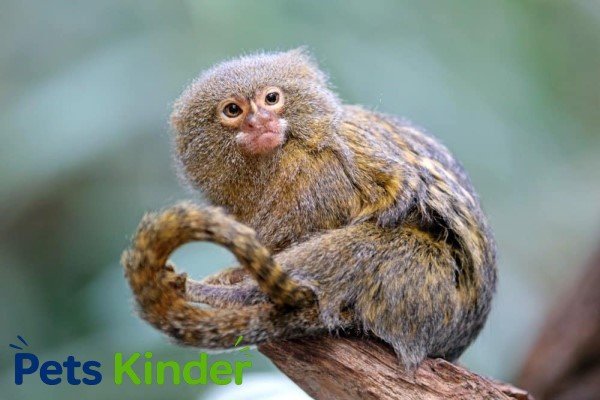
Discover the Truth Behind This Tiny Primate and What Makes It So Unique
A Pocket monkey is one of the most fascinating small primates that attracts attention because of its tiny appearance, intelligent behavior, and playful personality. Often associated with miniature marmosets, these animals have become popular among exotic pet enthusiasts who admire their social nature and unique characteristics. However, owning a small primate requires serious preparation, patience, and an understanding of their natural needs.
Unlike traditional household pets, a Pocket monkey has complex emotional and physical requirements. These animals are highly intelligent, active, and social creatures that need proper stimulation and a carefully designed environment. Therefore, anyone considering ownership should learn about their behavior, diet, health concerns, and long-term responsibilities before making a decision.
Understanding the Characteristics of a Pocket Monkey
A Pocket monkey is known for its small body, expressive eyes, and quick movements. These primates are naturally curious and spend much of their time exploring their surroundings. They can climb, jump, and interact with objects around them, which means they need an environment that allows natural behaviors instead of a simple cage setup.
Their intelligence makes them interesting companions, but it also creates challenges. Because they are social animals, they often require regular interaction and mental enrichment. Without proper attention, they may become stressed, bored, or develop unwanted behaviors. As a result, owners must provide activities, safe spaces, and consistent daily routines.
Personality and Social Behavior
The personality of these small primates can vary depending on genetics, upbringing, and environment. Some are affectionate and enjoy bonding with familiar people, while others remain more independent. They communicate through sounds, body language, and social behaviors, making them very different from common pets like dogs or cats.
Additionally, they naturally live in groups, so isolation can negatively affect their emotional wellbeing. A responsible owner must understand that companionship, enrichment, and patience play a major role in keeping these animals healthy and comfortable throughout their lives.
Pocket Monkey Size and Physical Features
The Pocket monkey size is one of the main reasons people find these animals appealing. Most small marmoset-type primates remain lightweight and compact compared to larger monkeys. Their small frame allows them to move quickly and easily, but their size should not create the misunderstanding that they require minimal care.
Although they are tiny, their needs are significant. They require climbing opportunities, appropriate temperatures, balanced nutrition, and veterinary support. Their small bodies can also make them sensitive to environmental changes, so maintaining a stable living space is extremely important for their overall health.
Caring for a Pocket Monkey Pet at Home
A Pocket monkey pet requires much more attention than many people expect. These animals need a spacious, secure habitat that allows movement, climbing, and exploration. A suitable environment should include branches, platforms, hiding areas, and enrichment items that encourage natural activity and reduce stress.
Furthermore, daily interaction is essential because these primates form strong social connections. Owners should spend quality time with them while also respecting their boundaries. Regular cleaning, observation, and routine care help prevent health issues and create a safer environment for the animal.
Common Health Issues and Care Challenges
Like other exotic animals, small primates can experience various health problems if their needs are not met. Common concerns may include nutritional deficiencies, dental problems, stress-related behaviors, infections, and injuries caused by unsuitable environments. Therefore, regular veterinary care from an experienced exotic animal professional is important.
Additionally, owners should monitor changes in appetite, activity levels, and behavior. Early attention to unusual signs can help prevent serious complications. Proper hygiene, balanced feeding, and mental stimulation are key parts of maintaining long-term wellness.
Pocket Monkey Diet and Nutrition Requirements
A proper diet is one of the most important parts of caring for these animals. A Pocket monkey needs a balanced nutritional plan that may include fruits, vegetables, insects, and specially prepared foods depending on professional recommendations. Their natural diet is diverse, so simply providing one type of food is not enough.
Moreover, nutritional mistakes can lead to serious problems over time. Too much sugar, incorrect food choices, or missing essential nutrients may affect their health and development. Fresh water, variety, and appropriate portions are necessary to support energy levels and overall wellbeing.
Pocket Monkey Baby Care and Development
A Pocket monkey baby requires special attention because young primates are highly dependent and sensitive. During early development, they need proper nutrition, warmth, social interaction, and careful handling. Their early experiences can influence their behavior and ability to adapt as they grow older.
Additionally, young animals should not be separated from their natural social environment too early. Proper development involves learning behaviors from their group and receiving appropriate care. Anyone considering a baby primate should understand that raising one requires significant time, commitment, and knowledge.
Understanding Pocket Monkey Lifespan and Long-Term Responsibility
The lifespan of these small primates can be surprisingly long compared to many traditional pets. A Pocket monkey may live for many years with proper care, meaning ownership is a serious long-term commitment rather than a short-term experience.
Because their needs continue throughout adulthood, owners must prepare for ongoing expenses, healthcare, habitat improvements, and daily interaction. Before choosing this type of animal, it is important to consider whether the lifestyle and resources needed can be provided consistently for the entire life of the animal.
Pocket Monkey Price and Ownership Costs
The Pocket monkey price can vary greatly depending on factors such as availability, location, legal requirements, breeder practices, and care standards. However, the purchase cost is only one part of ownership. Habitat setup, food, veterinary visits, and ongoing maintenance can create significant expenses over time.
Potential owners should focus on responsible sources rather than choosing based only on affordability. Animals obtained from unethical sources may have health or behavioral problems. Careful research helps ensure that the animal comes from a situation where proper welfare practices are followed.
Finding a Pocket Monkey for Sale Responsibly
People searching for a Pocket monkey for sale should take time to evaluate all aspects of ownership before bringing one home. It is important to understand local regulations, confirm the animal’s health history, and learn about the seller’s care practices.
Furthermore, responsible ownership begins before purchase. Preparing a suitable habitat, arranging veterinary support, and learning about daily requirements can make the transition easier. A well-informed decision benefits both the owner and the animal by creating a safer and healthier future.
Learning From Famous Animal Advocates
Many famous animal advocates have helped people understand the importance of respecting animals and providing proper care. One well-known example is Jane Goodall, whose research and conservation efforts have changed how people view primates and their natural behaviors. Her work highlights the importance of understanding animals as living beings with complex needs and emotions.
Although keeping an exotic pet differs from wildlife conservation, the same respect and awareness apply. Learning about an animal’s natural lifestyle helps owners make better decisions and encourages more responsible relationships between humans and animals.
Final Thoughts on Choosing a Pocket Monkey
A Pocket monkey can be an extraordinary animal companion, but it is not a simple pet choice. Their intelligence, social needs, and long lifespan require dedication and careful planning. While their small size may make them appear easy to manage, their care requirements are closer to those of a specialized exotic animal.
For the right owner, these primates can provide a unique and rewarding experience. However, responsible ownership depends on education, preparation, and a genuine commitment to their wellbeing. Understanding their needs before adoption is the best way to ensure a healthy and positive relationship.