The Alpine Goat: Why Serious Dairy Farmers and Backyard Keepers Both Can’t Get Enough of This Breed

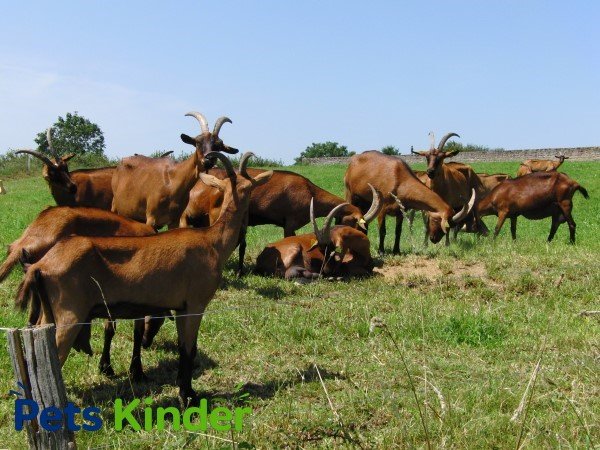
There’s a reason the Alpine goat consistently shows up at the top of dairy breed lists across the United States. These animals are not a trend. They are a time-tested, production-proven breed with a personality bold enough to match their output. Whether you’re managing a small homestead or running a serious dairy operation, Alpine goats bring a combination of hardiness, adaptability, and milk production that very few other breeds can match. Once you understand what makes them tick, it’s hard not to be impressed.
Origins and Background
The Alpine goat traces its roots to the French Alps, where generations of selective breeding shaped a animal built for mountain terrain and harsh seasonal conditions. French farmers needed goats that could thrive in cold, rugged environments while still producing generous quantities of milk. The result was a breed that combined toughness with productivity and that balance has never really changed.
French Alpine goats arrived in the United States in the early twentieth century, and American breeders quickly recognized their potential. The American Dairy Goat Association (ADGA) officially recognized the breed, and selective breeding in the U.S. eventually gave rise to what many now call the American Alpine a slightly refined version of the original French stock, but carrying the same core traits that made the breed exceptional in the first place.
Alpine Goat Characteristics That Set This Breed Apart
Physical Appearance
One of the first things you notice about Alpine goats is their upright, alert posture. These are medium-to-large animals, with does typically weighing between 130 and 150 pounds and bucks ranging from 170 to over 200 pounds. They stand tall and carry themselves with a kind of quiet confidence that experienced goat keepers recognize immediately.
Their ears are upright and of medium length, their face is straight or slightly dished, and their body is long and well-muscled. Alpine goat characteristics that distinguish them from other dairy breeds include their variety of coat colors and patterns, their adaptability across climates, and their consistently strong toplines. The horns, if present, grow in both sexes, though most farm animals are disbudded as kids for safety reasons.
Coat Colors and Alpine Goat Types
Unlike some breeds that come in only one or two color variations, Alpine goats display an impressive range of coat patterns. The ADGA recognizes several distinct color types within the breed, and understanding them adds a useful layer of identification for breeders and keepers alike.
Cou Blanc
Cou Blanc translates to “white neck” in French. These goats have white or light-colored front quarters and dark hindquarters. The contrast is striking and makes them one of the more visually distinctive Alpine goat types recognized by the breed standard.
Cou Clair
Similar to Cou Blanc but with tan or saffron-colored front quarters rather than pure white. The hindquarters remain darker, often black or brown. Cou Clair animals are common and highly recognizable in mixed Alpine herds.
Cou Noir
The reverse of Cou Blanc black front quarters, white or light hindquarters. The name literally means “black neck,” and the coloring is clean and well-defined in well-bred animals.
Chamoisee
The Chamoisee is perhaps the most classic-looking of all Alpine goat types. These animals are brown or bay in color with black markings along the face, back, and legs. Many people picture a Chamoisee when they think of a “typical” Alpine goat, even without knowing the specific color term.
Sundgau, Pied, and Broken
Sundgau animals are black with white markings on the face and underbelly. Pied goats display spotted or mottled patterns across the body. Broken describes any recognized pattern broken up by white. All are accepted within the breed standard, making Alpine goats one of the most visually diverse dairy breeds in existence.
Alpine Goat Milking and Dairy Production
If there’s one area where Alpine goat breeds truly shine, it’s the milk pail. Alpine goat dairy production ranks among the highest of all dairy goat breeds, and the numbers back that up consistently. Does average between 1,800 and 2,400 pounds of milk per lactation, though well-managed does in peak production can exceed those figures.
Milk Quality and Composition
Alpine goat milk has a clean, mild flavor with moderate fat content typically between 3.4% and 3.9% fat, and around 2.9% protein. That composition makes it excellent for fresh drinking, cheese production, soap making, and yogurt. Compared to some other dairy breeds, Alpine milk tends to have a less pronounced “goaty” flavor, which makes it more approachable for consumers unfamiliar with goat dairy products.
Milking Schedule and Management
Most Alpine does milk well on a twice-daily schedule, and many experienced keepers report strong persistency meaning the doe maintains her production across a longer period before tapering off. A standard lactation runs 10 months, though some does freshen easily and can be managed for extended lactation with proper nutritional support.
Alpine goat milking works best when supported by consistent routines. Goats are creatures of habit, and disruptions to milking schedules can cause stress, which directly impacts output. Clean equipment, a calm milking environment, and attentive management make a measurable difference in both yield and milk quality.
Diet and Nutrition
Feeding Alpine goats correctly is foundational to getting everything this breed has to offer. These are not animals that thrive on neglect or minimal input especially when they’re in milk.
Forage and Hay
Quality hay forms the backbone of an Alpine goat’s diet. Grass hay works well for maintenance, but lactating does benefit significantly from alfalfa or mixed grass-legume hay, which provides higher protein and calcium levels to support milk production. Hay should always be available free-choice, and it should be free of mold, dust, and weeds.
Grain and Concentrate
Lactating does generally need supplemental grain to meet their energy demands. A standard dairy goat concentrate at 16–18% protein works well, rationed based on the individual doe’s production level and body condition. Overfeeding grain is a common mistake it leads to obesity and can trigger digestive issues including bloat and enterotoxemia. Always introduce any feed changes gradually.
Minerals and Water
Free-choice loose minerals formulated specifically for goats are essential. Alpine goats need adequate copper, selenium, and zinc nutrients often deficient in general livestock mineral mixes. Fresh, clean water must be available at all times. A lactating doe in peak production can drink upward of four gallons of water per day, and water intake directly affects milk volume.
Health, Care, and Common Issues
Alpine goat breeds are genuinely hardy. Their mountain heritage gave them strong constitutions, and well-managed animals rarely experience major health problems. That said, there are several conditions every keeper should know.
CAE (Caprine Arthritis Encephalitis)
CAE is a viral disease that affects the joints and nervous system of goats. It spreads primarily through infected milk to kids. The best prevention involves testing breeding stock annually and practicing CAE-prevention protocols with newborn kids, including heat-treating colostrum before feeding. There is no cure, so prevention through herd management is everything.
Caseous Lymphadenitis (CL)
CL causes abscess formation in the lymph nodes and internal organs. It spreads through contact with ruptured abscesses. Testing new animals before introducing them to an established herd is the most effective way to keep CL out. Once it enters a herd, managing it requires diligence and, in many cases, culling infected animals.
Parasites
Internal parasites particularly barber pole worm (Haemonchus contortus) are one of the leading health challenges for goats across the United States. Alpine goats are not immune. Regular FAMACHA scoring, targeted selective treatment, rotational grazing, and maintaining accurate body condition records all contribute to effective parasite management without over-reliance on dewormers.
Hoof Care and Housing
Alpine goats need hoof trimming every 6 to 8 weeks depending on terrain and growth rate. Overgrown hooves lead to discomfort, poor posture, and long-term joint stress. Housing should be dry, well-ventilated, and secure. These goats are athletic and curious they will find weaknesses in fencing and exploit them without hesitation.
Lifespan and Long-Term Considerations
A well-cared-for Alpine goat typically lives 10 to 12 years, and productive does often remain in milk for 7 to 8 of those years with proper management. Bucks tend to have slightly shorter productive lifespans but can remain fertile and vigorous well into their senior years when maintained appropriately.
Long-term health comes down to consistent, attentive management. Annual veterinary checkups, regular testing for CAE and CL, parasite monitoring, dental evaluation in older animals, and careful attention to body condition all extend both the quality and length of life for these animals. Breeding decisions also matter selecting for strong mammary systems, good feet, and sound conformation protects the herd’s productivity across generations.
The Bottom Line on Alpine Goats
The Alpine goat earns its reputation every single day. From its striking variety of coat colors to its exceptional dairy output, from its adaptable temperament to its mountain-bred durability, this breed delivers at every level. If you’re serious about goat keeping whether for milk, breeding, or simply the pleasure of working with a truly outstanding animal the Alpine goat belongs at the center of that conversation. Few breeds in any species can match what these animals bring to the table, season after season, year after year.