Cayuga Ducks: The Stunning Heritage Breed That Combines Beauty, Productivity, and Easy Care

Few poultry breeds capture attention quite like cayuga ducks. Known for their remarkable iridescent black feathers and calm temperament, these ducks have become a favorite among backyard poultry keepers, homesteaders, and small-scale farmers across the United States. Whether you are interested in raising ducks for eggs, companionship, or exhibition purposes, cayuga ducks offer an excellent combination of beauty, hardiness, and practicality.
Originally developed in New York during the 19th century, the cayuga duck remains one of the most recognizable heritage duck breeds today. Their unique appearance and reliable egg production make them a valuable addition to any flock. In this guide, you’ll learn everything you need to know about cayuga ducks, including their characteristics, diet, health care, lifespan, and what to expect when searching for cayuga ducks for sale.
Origin and History of Cayuga Ducks
The history of cayuga ducks begins in the Finger Lakes region of New York, near Cayuga Lake. Breeders developed the breed in the mid-1800s, and it quickly gained popularity due to its striking plumage and excellent utility qualities. At one time, the cayuga duck was among the most common domestic duck breeds in the United States.
Over the years, commercial duck farming shifted toward faster-growing breeds, causing the population of cayuga ducks to decline. Fortunately, conservation efforts by poultry enthusiasts and heritage breed organizations have helped preserve this beautiful bird. Today, many backyard farmers choose them not only for their productivity but also for their ornamental value.
Physical Characteristics of Cayuga Ducks
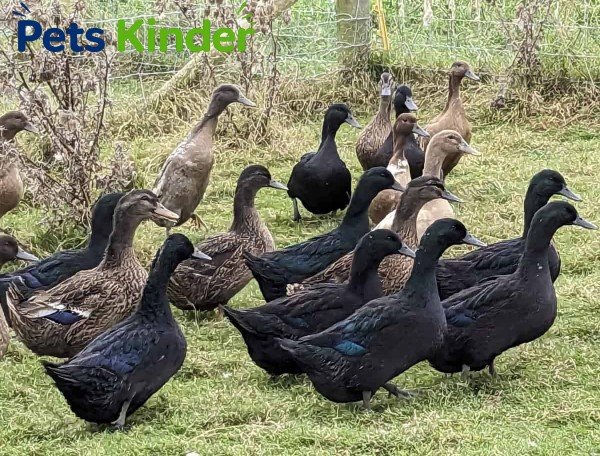
One of the most distinctive features of cayuga ducks is their glossy black plumage. When sunlight hits their feathers, stunning shades of green, purple, and blue become visible, creating a metallic appearance that is difficult to ignore. This unique coloration makes them stand out from nearly every other duck breed.
Adult drakes typically weigh between seven and eight pounds, while females usually reach six to seven pounds. Their legs, bills, and feet are dark-colored, complementing their elegant appearance. Interestingly, older birds may gradually develop white feathers as they age, adding even more character to their already striking look.
Temperament and Behavior
In addition to their beauty, cayuga ducks are known for their calm and friendly personalities. They generally adapt well to human interaction and can become quite comfortable around their caretakers. Because they are less noisy than many other duck breeds, they are often suitable for suburban and backyard environments.
These ducks also enjoy foraging and can help control insects, slugs, and other garden pests. As a result, many homesteaders appreciate their contribution to natural pest management while still benefiting from their egg production.
Cayuga Duck Eggs and Egg Production
Many poultry keepers are surprised by the quality and uniqueness of cayuga duck eggs. Young hens often lay eggs with dark gray to nearly black shells early in the laying season. As the season progresses, the eggs gradually become lighter shades of gray, green, and eventually white.
A healthy female can produce approximately 100 to 150 eggs annually, depending on genetics, diet, and environmental conditions. Although they are not the most prolific laying breed, cayuga duck eggs are highly valued for their rich flavor, large size, and excellent baking qualities.
For families seeking fresh eggs while maintaining a manageable flock size, cayuga ducks provide a balanced combination of production and ease of care. Their eggs contain valuable nutrients and are often favored by home bakers because of their rich yolks.
Diet and Nutrition Requirements
Proper nutrition plays a critical role in maintaining healthy cayuga ducks. Like most domestic ducks, they thrive on a balanced diet consisting of quality waterfowl feed, fresh greens, grains, and occasional treats. A commercial duck feed formulated with appropriate protein levels supports growth, feather quality, and egg production.
Additionally, these ducks benefit greatly from supervised foraging opportunities. They naturally consume insects, worms, small aquatic organisms, and vegetation when available. However, owners should always provide clean drinking water alongside food because ducks need water to safely swallow and digest feed.
Feeding Cayuga Duck Chicks
Young cayuga duck chicks require specialized starter feed with adequate protein content to support healthy development. During their first few weeks, they should have continuous access to fresh water and nutritious feed. As they grow, their dietary requirements gradually change, allowing them to transition to grower and adult feeds.
Providing proper nutrition during the early stages of life significantly improves growth rates, feather development, and long-term health outcomes for cayuga duck chicks.
Health, Care, and Common Diseases
One reason many people enjoy raising cayuga ducks is their reputation for hardiness. Nevertheless, proper management remains essential for preventing health issues and ensuring a thriving flock.
Clean housing, fresh water, and balanced nutrition form the foundation of good duck health. Wet, dirty conditions can contribute to bacterial infections, parasite problems, and foot issues. Therefore, regular cleaning and proper drainage are important components of duck care.
Common health concerns include respiratory infections, internal parasites, external parasites, and nutritional deficiencies. Fortunately, most of these issues can be minimized through preventive care and regular observation. Early detection of symptoms such as lethargy, appetite loss, breathing difficulties, or abnormal droppings allows for prompt intervention and better outcomes.
Providing adequate shelter also protects cayuga ducks from extreme weather conditions and predators. A secure coop or shelter with proper ventilation helps maintain overall flock health throughout the year.
Lifespan and Long-Term Considerations
Under good management conditions, cayuga ducks typically live between eight and twelve years. Some individuals may even exceed this range when provided with excellent nutrition, veterinary care, and predator protection.
Potential owners should consider the long-term commitment associated with duck ownership. These birds require daily feeding, fresh water, shelter maintenance, and regular health monitoring. However, many keepers find the rewards far outweigh the responsibilities due to the breed’s gentle nature and attractive appearance.
Because of their longevity, a cayuga duck can become a cherished part of a family or homestead for many years. Planning ahead for their lifelong care ensures a positive experience for both birds and owners.
Cayuga Duck Chicks: What New Owners Should Expect
Raising cayuga duck chicks can be a highly rewarding experience. Newly hatched ducklings are active, curious, and surprisingly resilient when provided with proper care. During the brooding period, they require a warm, draft-free environment, access to clean water, and age-appropriate feed.
As they mature, young ducks quickly develop their characteristic dark plumage and begin exploring their surroundings more confidently. Social interaction is important because ducks are naturally flock-oriented animals. Consequently, keeping multiple ducklings together helps promote healthy behavioral development.
Patience and consistency during the early weeks contribute significantly to the successful raising of healthy cayuga duck chicks.
Cayuga Ducks Price and Availability
People interested in adding this breed to their flock often search for information about cayuga ducks price and availability. Costs vary depending on age, quality, breeder reputation, and geographic location. Ducklings generally cost less than mature birds, while exhibition-quality stock often commands premium prices.
When researching cayuga ducks for sale, buyers should prioritize reputable breeders who focus on healthy breeding practices and proper flock management. Investing in quality birds from trusted sources often leads to better health, productivity, and overall satisfaction.
Although cayuga ducks price can fluctuate throughout the year, their combination of beauty, egg production, and heritage value continues to attract poultry enthusiasts nationwide.
Famous Supporters of Heritage Poultry Conservation
The preservation of heritage poultry breeds has gained support from many influential figures who advocate for sustainable agriculture and biodiversity. One notable example is celebrity chef and food activist Alice Waters, whose work has encouraged greater appreciation for traditional farming practices and heritage livestock breeds. Efforts like these help raise awareness about the importance of preserving unique breeds such as cayuga ducks for future generations.
Final Thoughts
Whether you are interested in fresh eggs, beautiful ornamental birds, or a friendly addition to your homestead, cayuga ducks offer tremendous value. Their stunning appearance, calm temperament, reliable egg production, and strong adaptability make them one of the most appealing heritage duck breeds available today.
From raising cayuga duck chicks to collecting distinctive cayuga duck eggs, owners often discover that these birds bring both practical benefits and lasting enjoyment. If you are currently exploring cayuga ducks for sale, understanding their care requirements, lifespan, and overall characteristics will help you make an informed decision and enjoy success with this remarkable breed for years to come.