Tuxedo Cats: The Formally Dressed Felines With a Personality That Outshines Their Looks

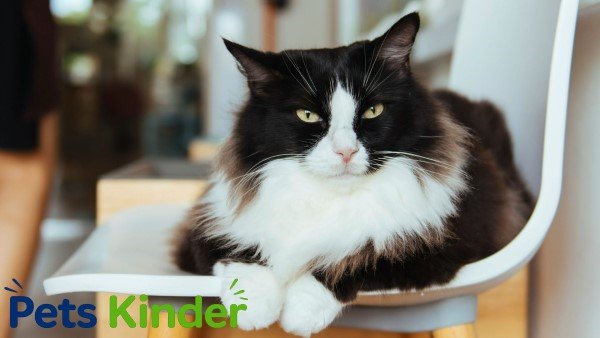
If cats were attending a black-tie event, the tuxedo cat would already be there early, charming everyone in the room, and somehow looking better than the host. That bold black-and-white coat is instantly recognizable, but what surprises most people is how much personality lives inside that elegant exterior. Tuxedo cats are opinionated, affectionate, and deeply entertaining companions. And yet, despite how common they appear, there’s a lot of genuine confusion about what they actually are and what makes them so special.
What Is a Tuxedo Cat, Really?
Here’s where a lot of people get tripped up. A tuxedo cat is not a breed. It’s a coat pattern specifically, a bicolor pattern featuring black and white markings distributed in a way that resembles formal wear. The white typically appears on the chest, belly, paws, and sometimes the chin or face, while black dominates the back, head, and tail. The result looks remarkably like a miniature cat dressed in a tuxedo, which is exactly how the name came about.
The Tuxedo Cat Breed Question: Which Cats Can Be Tuxedos?
Because tuxedo refers to a pattern rather than a breed, many different tuxedo cat breed types exist. The pattern appears across a wide range of domestic cat breeds, including the Maine Coon, American Shorthair, British Shorthair, Persian, Siberian, and plain old domestic shorthair or longhair cats with no pedigree at all. The genetics that produce this pattern involve the white spotting gene, which controls where white pigmentation appears on the coat. When that gene expresses itself in the right way, you get the classic tuxedo distribution and it can happen in virtually any breed that carries the gene.
So when someone asks “what tuxedo cat breed should I get,” the honest answer is: choose the breed whose temperament and care requirements suit your lifestyle, and let the tuxedo pattern be the bonus. That said, if you’re open to a mixed-breed cat which, frankly, most tuxedos are your local shelter almost certainly has several waiting for exactly that conversation.
Tuxedo Cat Colors: More Variety Than You’d Expect
Most people picture a classic black-and-white tuxedo cat, and that is by far the most common version. But tuxedo cat colors extend well beyond that iconic combination. The “black” base coat can actually be a very dark gray or charcoal in certain lighting conditions, and in some cats, what appears black is genetically a dark tabby pattern that only becomes visible in direct sunlight these are sometimes called “ghost tabbies.”
Beyond Classic Black and White
Tuxedo cat colors also appear in variations where the dark base is replaced by gray, silver, or even orange tabby, paired with white in the same bicolor distribution. Some cat registries and enthusiasts expand the tuxedo definition to include these variations, while others insist that only true black-and-white qualifies. Regardless of where you land on that debate, the visual effect in all these combinations is striking. A gray-and-white tuxedo cat carries a softer, more muted elegance compared to the high-contrast drama of a classic black-and-white but both are genuinely beautiful animals.
The quality and sharpness of the tuxedo markings also vary considerably. Some cats have perfectly symmetrical, crisp borders between black and white. Others have irregular patches, splashes of white on unexpected areas, or a small “mustache” of white fur above the lip that gives them a permanently distinguished or permanently amused expression.
Tuxedo Cat Personality: What Living With One Actually Feels Like
Ask any tuxedo cat owner about their cat’s personality and you’ll typically get one of two responses: either a long, enthusiastic monologue about how extraordinary their specific cat is, or a knowing laugh followed by “where do I start?” Tuxedo cat personality is hard to generalize because the pattern spans so many breeds and individual backgrounds but certain traits come up repeatedly, and they’re worth knowing before you bring one home.
Confidence and Social Intelligence
Tuxedo cats tend to carry themselves with a level of confidence that borders on self-importance. They’re not typically shy or skittish around strangers. Instead, they often approach new people with calm curiosity, assess the situation briefly, and then decide whether the newcomer is worth their time. That sounds aloof, but in practice it usually means a tuxedo cat will walk up to your houseguest, sniff their hand, and settle nearby which is more social engagement than many cats offer at all.
Affectionate on Their Own Terms
The tuxedo cat personality also includes a strong streak of affection, but it tends to be expressed deliberately rather than constantly. These cats often choose when and how they want attention they might demand lap time at 9 PM every night with remarkable consistency, then ignore you completely during the day. That schedule, once established, becomes surprisingly reliable. They’re also known to be vocal communicators, using a range of meows, chirps, and trills to express opinions about food timing, door status, and the general quality of your life choices.
Intelligence and Mischief
Many tuxedo cat owners report that their cats are unusually clever, and while that’s partly affectionate bias, there’s something to it. Cats with confident, curious temperaments which tuxedos often display tend to engage more actively with puzzle feeders, learn their names reliably, and figure out things like door handles and cabinet latches faster than more timid cats. That intelligence is entertaining, right up until they start opening the treat cabinet at 3 AM.
Diet and Nutrition
Feeding a tuxedo cat follows the same principles as feeding any domestic cat, since the pattern carries no special dietary requirements. High-quality protein is the foundation cats are obligate carnivores, and their bodies require animal-sourced protein to function properly. Look for wet or dry food where a named meat source (chicken, turkey, salmon) appears as the first ingredient, rather than grain fillers or vague “meat by-products.”
Wet food is strongly recommended as at least a portion of the daily diet, particularly for cats that don’t drink water enthusiastically on their own. Cats have a naturally low thirst drive, and chronic mild dehydration contributes to kidney disease and urinary tract problems over time. A mix of high-quality wet food and a limited amount of dry kibble balances hydration, dental health, and palatability for most cats. Portion control matters too tuxedo cats, like all domestic cats, can easily become overweight if fed free-choice without monitoring.
Health, Care, and Common Issues
General Health Considerations
Tuxedo cats don’t carry any pattern-specific health predispositions the way certain breeds do. Their health profile depends primarily on their breed background and individual genetics. That said, there are common health issues that affect domestic cats broadly, and tuxedo cat owners should stay aware of them.
Dental disease is the most prevalent health problem in domestic cats overall. By age three, most cats show some degree of tartar buildup or early gum disease, and without intervention, it progresses to tooth loss and chronic pain. Regular tooth brushing at home ideally starting in kittenhood combined with annual veterinary dental evaluations makes a significant difference in long-term oral health.
Obesity and Related Conditions
Obesity is the second most common preventable health issue in domestic cats, and it directly increases the risk of diabetes, joint disease, and liver problems. Tuxedo cats that spend most of their time indoors which is the safest environment for any cat need deliberate activity built into their day. Interactive play sessions, puzzle feeders, and vertical climbing structures all help maintain a healthy weight and keep an intelligent cat mentally engaged.
Urinary Tract Disease
Feline lower urinary tract disease (FLUTD) affects male cats disproportionately, causing painful urination, blockages, and in severe cases, life-threatening complications. Diet, hydration, and stress management all play roles in prevention. Any cat male or female that strains in the litter box, vocalizes while urinating, or shows blood in the urine needs veterinary attention immediately.
Routine Preventive Care
Annual veterinary checkups, core vaccinations, flea and parasite prevention, and spay or neuter surgery form the backbone of responsible tuxedo cat care. Indoor cats still require flea prevention, particularly in warmer climates, because fleas enter homes on clothing and other pets. Microchipping is strongly recommended even for indoor-only cats accidents happen, and an identified cat has a dramatically better chance of returning home safely.
Lifespan and Long-Term Commitment
A healthy tuxedo cat typically lives between 12 and 18 years, with many well-cared-for individuals reaching their early twenties. That’s a meaningful commitment longer than most dogs, and long enough that your circumstances will almost certainly change during the cat’s lifetime. Before bringing one home, it’s worth thinking honestly about that timeline and what it means practically.
The good news is that tuxedo cats, especially those with mixed-breed backgrounds, often benefit from what geneticists call hybrid vigor a tendency for genetically diverse animals to be healthier and more resilient than highly inbred purebred lines. That doesn’t guarantee longevity, but it does give many tuxedo cats a solid biological foundation to build on.
The Tuxedo Cat: Style and Substance in Equal Measure
It would be easy to love a tuxedo cat just for the coat. That high-contrast black-and-white pattern is genuinely one of the most striking looks in the domestic cat world, and it photographs beautifully in every possible lighting condition. But the real reason tuxedo cats develop such devoted followings is the personality that accompanies those good looks the confidence, the intelligence, the affection delivered exactly when and how they decide to give it.
They’re not low-maintenance companions, and they’re definitely not wallflowers. What they are, for the right person, is one of the most rewarding cats you can share your home with. Elegant by appearance, surprising by nature and never, ever boring.